
11 Strategies to Raise Kids Who Aren’t Entitled
Listen to the podcast version of this article.
"Don’t handicap your children by making their lives easy."
—Robert A. Heinlein
Everyone remembers the spoiled kid in school. They were the kids who threw tantrums over not getting their way or expected praise without effort. And while it may have been easy to dismiss their behavior as a childhood phase, research shows that entitlement doesn’t just disappear with age. A study published in Personality and Individual Differences found that adults with higher levels of entitlement were more likely to struggle with relationships, workplace conflicts, and dissatisfaction in life. The consequences of unchecked entitlement ripple far beyond childhood, creating challenges for the person and society alike.
In a world of instant gratification, raising kids who are grounded and grateful has never been more important—or more challenging. Left unchecked, this entitlement mindset can lead to a lack of resilience, poor financial habits, and an inability to cope with life’s inevitable struggles.
The good news? Parents have the power to break the cycle by instilling values like gratitude, responsibility, and effort early on. Today, I’ll explore ways to raise kids who grow up grateful, resilient, humble, and kind.
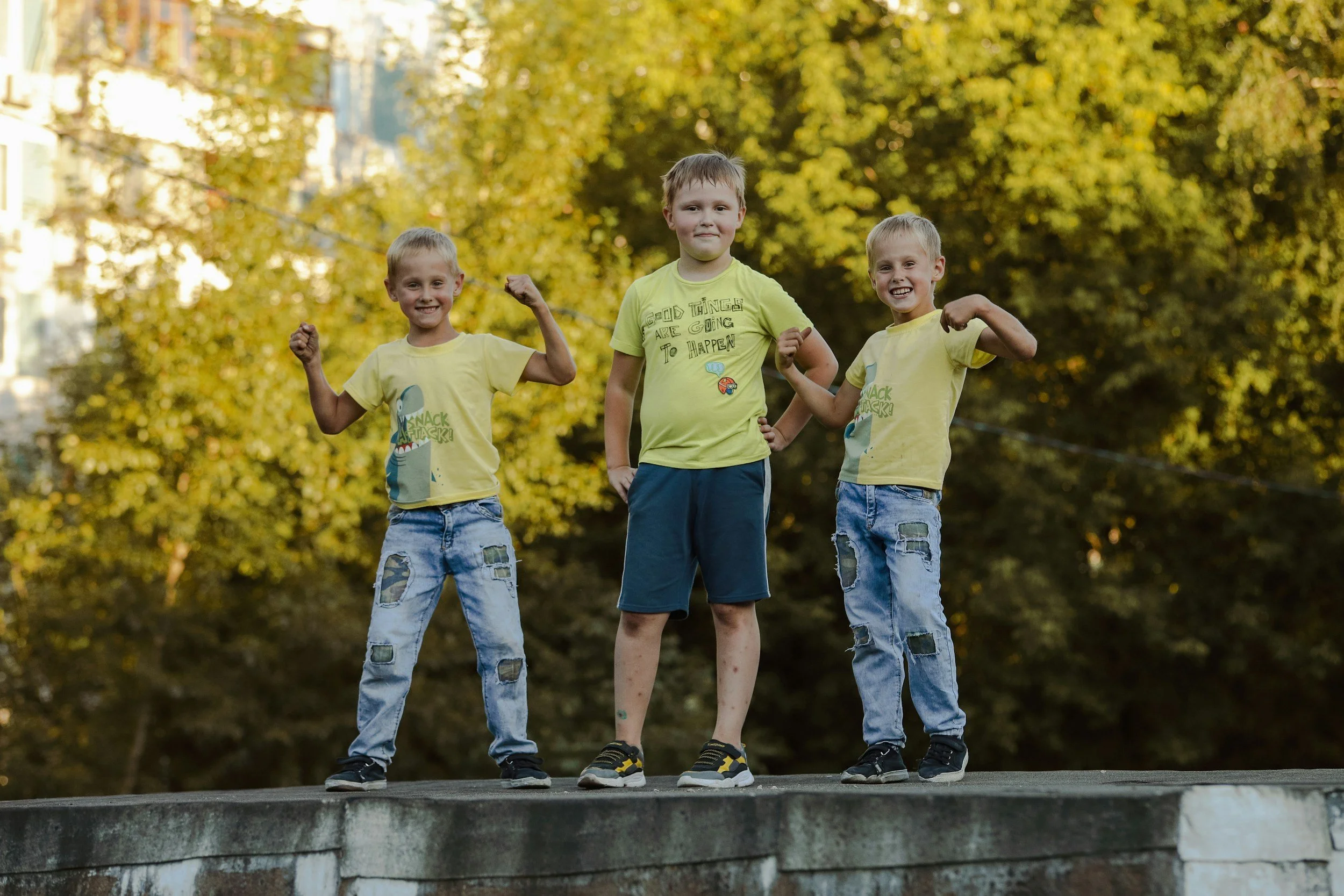
Raising Kids Who Aren’t Spoiled Brats
1. Say “No”
"No" isn't just a word—it's a life lesson. Every time kids hear "no," they’re learning to handle disappointment, navigate frustration, and accept that the world doesn’t revolve around their every whim. It’s not just about denying them a toy or extra screen time; it’s about building resilience, patience, and gratitude. Without these moments of small adversity, kids struggle to cope when life inevitably says "no" in far bigger ways—whether it's rejection, failure, or an unexpected setback.
While it’s easy to read and write about saying “no,” it’s much tougher to practice. So, it’s important to reframe why you’re doing it in the first place—not to be harsh or restrict joy but to provide structure. Parents often cave to avoid the tears, tantrums, or conflict. But saying "no" shows kids that boundaries exist for a reason. When you say "no," use it as a teaching moment: “We’re not buying a toy because we came here for groceries,” or “No, it’s not screen time now; it’s time to give attention to this family dinner.”
Kids who never hear "no" often go one of two ways: they either avoid conflict and failure at all costs, or they can’t handle it when failure inevitably happens. Both paths lead to entitlement and an inability to adapt to life’s challenges.
Your kids will never tell you “Thanks for setting those boundaries and teaching me this important life lesson about not getting what I want all the time” but over time, they’ll develop a deeper appreciation for the things they do have, along with the life skills they’ll need to thrive. As the Chinese proverb goes:
"Parents who are afraid to put their foot down usually have children who step on their toes."
2. Teach Them to Work for What They Want
There’s something uniquely satisfying about earning something through hard work, and kids need to experience this firsthand. Whether it’s saving money for a new toy, completing chores, or practicing diligently in a sport or activity, the process teaches them the value of effort. Watching their progress firsthand helps kids understand that hard work pays off. It also boosts their confidence as they realize they can achieve their goals through persistence and dedication.
This lesson isn’t just about money or material things; it’s about cultivating a strong work ethic. Kids who grow up understanding the relationship between effort and reward are more likely to take the initiative and succeed in school, sports, and eventually their careers. Let them struggle, make mistakes, and figure things out. The intrinsic achievement they’ll feel when they finally reach their goal is worth far more than anything handed to them on a silver platter.
3. Let Them Face Discomfort
Resilience isn’t built while getting life handed to you; it’s forged in the fire of challenges. When we shield our kids from every bump, scrape, or misstep, we rob them of the chance to develop problem-solving skills, grit, and confidence in their own abilities. As much as it stings to watch them struggle, it's those very struggles that teach them how to navigate life’s inevitable ups and downs.
The natural consequences of their actions—whether it’s a Lego tower that fell, a test they failed, or having a difficult time with friends—are some of the greatest teachers they’ll ever have. Instead of stepping in to save the day, be their coach, not their crutch. If you see that they forgot their homework that’s sitting on the dining room table, don’t run it up to school. Let them learn the hard way. If they want something but don’t have the money, brainstorm ways they can earn or save for it. These moments build self-reliance, accountability, and the understanding that life won’t hand them everything on a silver platter.
As hard as it is to hold back, remember this: the kid who learns to face discomfort with grace and determination today becomes the adult who doesn’t crumble tomorrow. Or, as the saying goes,
"You don’t prepare the path for your child; you prepare your child for the path."
4. Foster Gratitude
"Gratitude unlocks the fullness of life. Entitlement locks it away."
—Melody Beattie
Gratitude and entitlement sit on opposite ends of a seesaw—they cannot coexist. Gratitude flourishes through appreciation, while entitlement grows from expectation. When one rises, the other must fall. Teaching children gratitude is one of the most effective ways to combat entitlement, shifting their focus from what they lack to what they already have. This mindset fosters contentment and diminishes the urge to compare or demand more.
The benefits of gratitude extend beyond emotional well-being. Research consistently shows its impact on physical health and relationships. For example, a study on cardiac patients revealed that those who practiced gratitude experienced lower levels of inflammation, better sleep, and less fatigue.
But gratitude doesn’t always come naturally. Here are practical ways to incorporate this into daily life with your kids:
Rose, Bud, Thorn: During dinner or bedtime, have each family member share a "rose" (something good from their day), a "bud" (something they’re looking forward to), and a "thorn" (a challenge they faced). This activity fosters reflection, gratitude, and connection.
Line a Day Journal: I keep a "Line a Day" journal (I use this one) where I jot down little moments about my kids—funny, happy, interesting, or otherwise. It’s a simple way to reflect on the things I’m grateful for as a parent and to model gratitude for them.
Thank You Notes: Have your kids write thank-you notes for gifts, acts of kindness, or support they’ve received. It teaches them to acknowledge the thoughtfulness of others. For young kids, a simple fill-in-the-blank postcard is a great way to do it. For older kids, keep a stack of Thank You Cards in their room or by the door as a subtle reminder.
Gratitude Hikes: For some reason, when we go on hikes with the kids we spend a lot of time discussing what we’re thankful for. Nature brings this out.
Reflect Before Bed: During your bedtime routine, take a moment to ask your kids about one thing they’re thankful for that day.
Practice “Thankful Thinking”: Encourage your kids to pause and think about someone they appreciate. Prompt them to consider what that person does for them and how they can express their gratitude.
5. Avoid Instant Gratification
Remember the days when you had to use an Encyclopedia to look something up or wait until Friday night for your favorite show? Seems so long ago. In today’s world of one-click purchases and immediate answers from Alexa or Google, kids are growing up with fewer opportunities to practice patience. While convenience is great, a culture of instant gratification can rob children of the ability to delay rewards and truly value what they have. Teaching them to wait—to save for a toy, to plan an outing, or to practice for weeks to master a skill—builds self-discipline and enhances the satisfaction that comes from achieving a goal.
The science backs this up. The famous Stanford Marshmallow Experiment found that children who were able to delay gratification—waiting 15 minutes for two marshmallows instead of eating one right away—had better life outcomes decades later, including higher SAT scores, better emotional regulation, and improved social skills. Additionally, research on delayed gratification is strongly associated with positive life outcomes, including better academic performance, healthier body weight, and reduced risky behaviors.
This isn’t about withholding joy or creating unnecessary frustration. It’s about helping kids understand that some things are worth waiting for. The next time your child asks for something, consider setting a short-term goal: “Let’s save up for that toy together,” or “Let’s add that to the wishlist.”
6. Give Them Responsibilities
In Hunt, Gather, Parent, Michaeleen Doucleff highlights the concept of acomedido, a trait she observed during her time in a Mayan village. Unlike many children in the U.S., Mayan kids frequently take the initiative to help with household tasks like washing dishes or tidying up—without being asked. A survey of Mayan mothers revealed that roughly 75% of their children routinely stepped up to contribute. Acomedido is the ability to notice what needs to be done and act accordingly, saying, "It's not just doing a chore or task because someone told you to, it's knowing which kind of help is appropriate at a particular moment because you're paying attention." This skill is more than helpfulness; it's an intuitive understanding of how to be part of a cooperative family unit.
Research shows that children who take on household responsibilities develop stronger work ethics and are more likely to become successful adults. Kids who do chores have also been shown to excel in school and with problem-solving abilities overall.
Start young: toddlers naturally want to help, even if it’s messy or imperfect. Let them practice with age-appropriate tasks, and as they grow, increase their responsibilities. Focus on cooperation rather than obedience—make it a team effort.
7. Encourage Empathy
Entitlement often stems from an inability to see beyond oneself. Teaching kids to consider the feelings, needs, and perspectives of others is a powerful antidote. Empathy helps kids build meaningful relationships, resolve conflicts, and navigate the world with kindness and understanding. It’s also a critical skill for success in life, both personally and professionally.
Start by modeling empathy in your own behavior. When someone is struggling, verbally express concern or offer help in front of your kids. Encourage them to think about how their actions affect others. If they’re mean to a sibling, ask, “How do you think that made them feel?” When reading books, ask about the emotions of the characters and how they might feel. Practice it through role-playing and when engaging in play activities like superheroes, house, etc.
Based on this practice, our kids will often say, “Aw, that dog is saying, ‘I want to help that boy.’” They verbalize the thought bubble, bringing emotion and empathy to life.
8. Teach Them the Value of Money
Many kids grow up thinking money is an endless resource that magically appears when needed. Teaching them where money comes from—and how to use it wisely—is one of the most valuable lessons you can provide. Show them how money is earned through work and how it should be budgeted for saving, spending, and giving. Here are some ideas:
Involve your kids in real-life financial decisions. For instance, let them help compare prices at the grocery store or explain why you’re saving for a family vacation instead of splurging on unnecessary items.
As they get older and earn money, provide them with an opportunity to spend, save, or invest it. Let them pick a stock or index fund with you and track its status on an ongoing basis.
Consider a “match” where you match their savings or investing contribution as a way to encourage long-term thinking vs. short-term spending.
Help your kids understand how fortunate they are by introducing them to the power of giving. Identify a family in need, a meaningful cause, or a specific project they can support. Encourage them to save money or contribute time to help others who are less fortunate. Whenever possible, involve them directly in delivering their assistance, so they can witness the impact of their efforts and experience the emotional reward of making a difference firsthand.
Related: An Interview With The Co-Author Of The Millionaire Next Door
9. Teach Them to Problem-Solve
Recently, whenever my youngest says, "I can’t do it," or "It fell down," her older brother has started replying with, "How are we going to solve the problem?"
That simple question has become a cornerstone of how we parent. Instead of immediately jumping in with, "Let me help," we encourage our kids to tap into their own problem-solving skills. Sometimes it’s as straightforward as asking, “What should we do now?” Other times, it’s about giving them the space and silence to think for themselves. The goal is to foster independence and an active thought process rather than creating a habit of reliance on others. From spilled milk to bigger challenges, this mindset builds resilience and critical thinking.
Here’s how we approach it: First, help them define the problem. Then, brainstorm solutions together—no idea is too wild at this stage. Finally, step back and let them take charge of the resolution.
Over time, they’ll discover that the pride and confidence that come from solving problems on their own are far more satisfying than waiting for someone else to step in. These moments don’t just fix the immediate issue—they lay the groundwork for tackling life’s inevitable challenges with confidence and perseverance.
10. Avoid Over-Praising
Over-praising children might seem like a harmless way to boost their confidence, but it can lead to unintended consequences that undermine their development. Generic phrases like “Good job!” or “You’re so smart!” often fail to provide meaningful feedback, leaving kids without a clear understanding of what they did well or how they can improve. This can discourage the development of a growth mindset—the belief that abilities can be nurtured through effort and perseverance. When children are consistently praised for inherent traits rather than effort, they may develop a fixed mindset, avoiding challenges for fear of failure and believing their skills are static. A well-known 1998 study, Praise for Intelligence Can Undermine Children’s Motivation and Performance, found that children praised for their intelligence were less likely to choose challenging tasks compared to those praised for effort, highlighting how over-praising can hinder their willingness to grow.
Beyond stifling a growth mindset, over-praising can also erode intrinsic motivation. When children rely on external validation, like constant applause or compliments, they may struggle to find internal satisfaction in their achievements. This can lead to a dependence on praise to feel accomplished, ultimately reducing their resilience when faced with setbacks or tasks that don't elicit immediate rewards. Instead of fostering independence and grit, over-praising creates a reliance on others for motivation, leaving kids ill-equipped to navigate challenges on their own. For children to develop true confidence and perseverance, praise should be specific, effort-focused, and sparingly offered to reinforce meaningful growth rather than fleeting accomplishments.
Here’s a simplified approach for praising kids more effectively. For much more on the topic, check out the article below.
Specific: Instead of a generic "good job," highlight the specific details of your child's achievement.
Focus on Process and Effort: Praise the journey, not just the destination. Highlight your child's strategies, hard work, and persistence.
Be Genuine: Make sure your praise is sincere and authentic, reflecting your true observation of your child's effort.
11. Do As You Say
"Children are not spoiled by discipline. They’re spoiled by a lack of it."
—Dr. Kevin Leman
Be firm, fair, and consistent. I first heard this phrase from a patient of mine who worked as a corrections officer, and it stuck with me. He explained that the officers who practiced these principles earned respect, avoided chaos, and had greater job satisfaction. The same applies to parenting. If we want to raise kids who respect boundaries and understand accountability, we need to set clear expectations and enforce them with consistency. Without this, we risk creating a sense of entitlement, where kids believe rules don’t apply to them or that consequences are negotiable.
Boundaries are the antidote to entitlement. They provide structure and teach kids that their actions have consequences. If you tell your child they’re grounded for breaking a rule but let it slide, they quickly learn to disregard your authority. Over time, this inconsistency can lead to behaviors rooted in entitlement, where they expect to get away with anything or believe exceptions will always be made for them. Picture this: a kid telling their friends, “Yeah, my parents always say that, but they never actually do it. I always get away with it.” That’s what happens when we fail to follow through. When rules are enforced fairly and consistently, however, kids begin to understand that they aren’t the center of the universe, and their choices carry weight. Boundaries help kids learn respect—not just for you, but for others and for the systems they’ll encounter in life.
Avoiding entitlement requires clarity. As Brené Brown puts it, “Clear is kind.” Being clear about boundaries and consistently enforcing them shows kids that you mean what you say. It’s not about being harsh; it’s about being predictable and trustworthy. This stability gives kids the tools they need to navigate a world that won’t cater to their every whim. Over time, they learn that respect and responsibility go hand in hand.
Takeaway
The antidote to entitlement lies in consistency, clarity, and connection. Kids thrive when they’re given structure, when they learn the value of hard work, and when they’re held accountable for their actions. It’s not always easy to say no or to let them face challenges, but it’s worth it. Raising kids who respect boundaries and appreciate what they have starts with us—how we set the example and how we hold the line.
Related:
