
8 Practical Ways To Improve Sleep And Feel More Energized
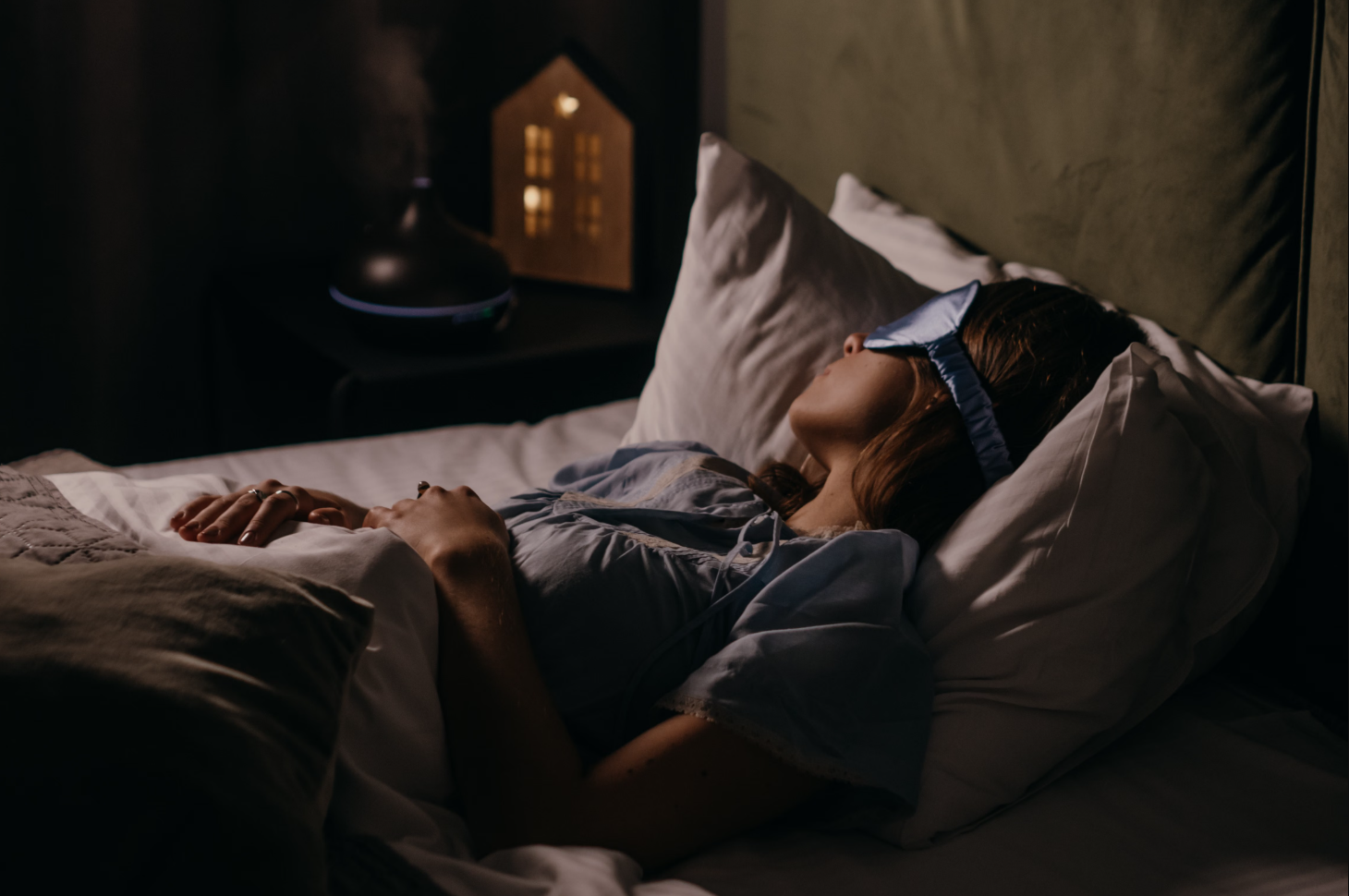
You go to bed hoping for eight solid hours, but you still wake up feeling worn out. Your coffee used to fix that afternoon slump, but lately it barely helps. Between the tossing, the turning, and the afternoon energy crash, it is easy to think this is simply how tired feels now.
It does not have to be that way. You do not need a new mattress or a cabinet full of supplements to fix this. Most of what drains your energy comes down to a handful of everyday habits you may not have noticed. Once you adjust a few of them, your body starts working with you instead of against you, and sleep stops feeling like such a struggle.
This article covers eight simple, practical changes that can help you sleep more deeply and feel more energized every day.
1. Wake Up at the Same Time Every Single Day

This may sound too obvious to be worth mentioning, but it's likely the largest lever you have. Your body operates on an internal clock that is set by when you wake up, not by when you go to bed. Stick to that wake time and everything else, such as sleeping well and feeling well rested, falls into place.
Most people get one part wrong: they treat weekends like a reset button. It might be nice to sleep in until noon on Saturday, but it will make Monday feel like jet lag and get you out of sync. If you're serious about figuring out how to improve sleep for the long haul, locking in one wake time, seven days a week, is where to start.
2. Get Direct Sunlight in the First 30 Minutes of Your Day
Your body needs light to know what time it is, and morning light is the clearest signal you can give it. Step outside soon after waking, and you're telling your brain, "okay, we're up now," which kicks your alertness into gear faster than a second cup of coffee ever could.
You don't need much of it. A quick coffee on the porch or a short walk to check the mail can do the job. Skip this step and stay under indoor lighting all morning, and you'll likely drag that groggy, half-awake feeling much further into your day than it needs to go.
3. Watch How Late You're Still Drinking Caffeine
Caffeine doesn't just wear off after an hour or two. It can still be working in your system six hours later, which means that "harmless" 3 PM coffee might be quietly messing with sleep you don't even connect back to it.
Try pushing your last cup earlier, or swap that late-afternoon coffee for water, and pay attention to how you sleep that night. Most people are surprised by how much of a difference this one small swap makes.
4. Let Your Bedroom Get Properly Cool At Night
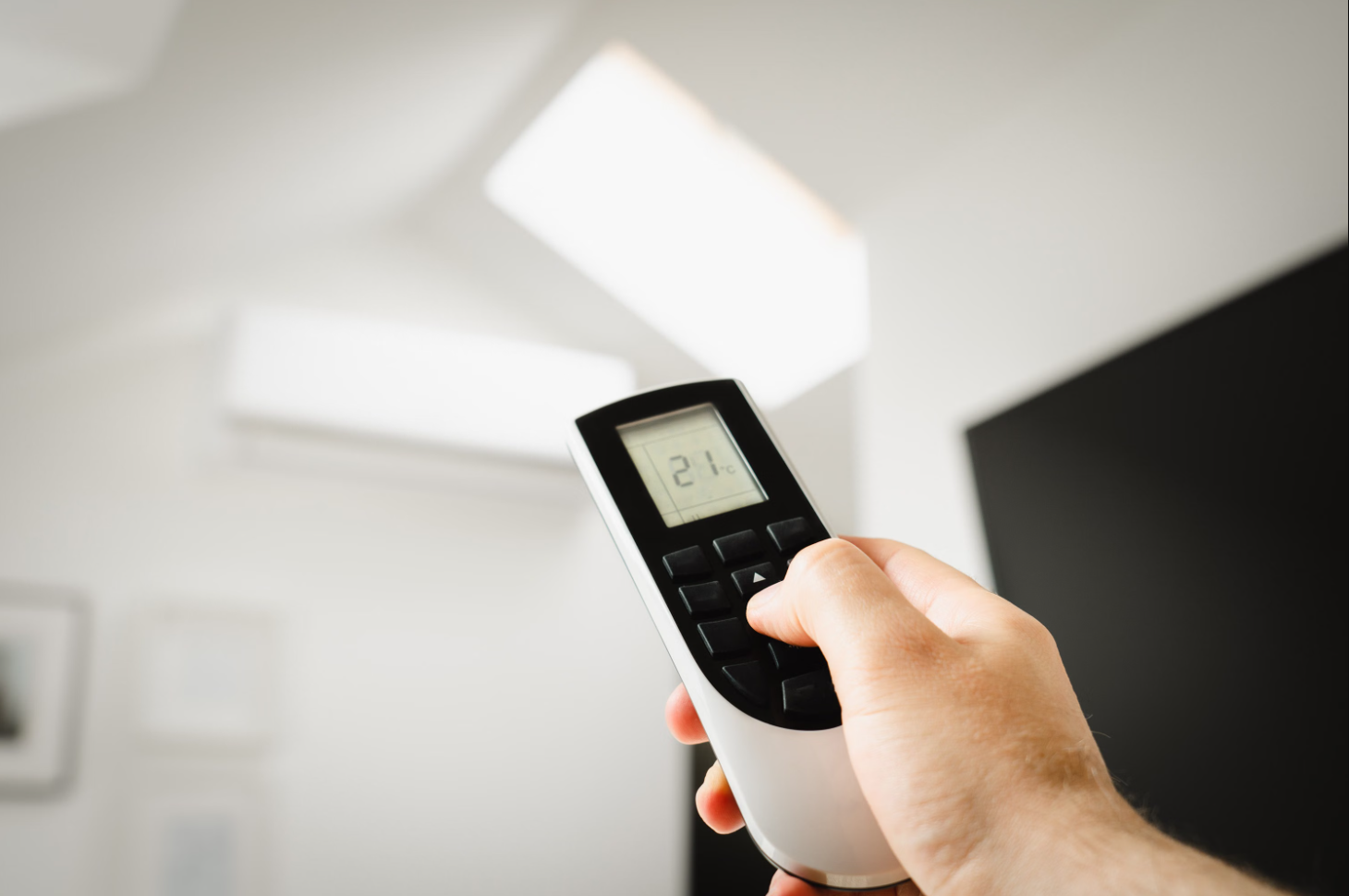
Falling asleep isn't just a mental thing; it's a physical one too. In order to fall asleep, your body temperature must fall, and a warm room will work against this every time. This is typically what makes you toss and turn in bed rather than fall asleep.
Most sleep experts state that the ideal temperature is in the range of 18 to 20 degrees Celsius. If your room is warm, try a fan, lighter sheets, or crack a window; it doesn't cost a thing but can make a big difference.
5. Cut Back on Alcohol Before Bed
A nightcap might help you drift off faster, but it's not doing you any favors after that. Alcohol wrecks the second half of your night, cutting into the deep sleep your body needs to feel rested. That's often the real reason you wake up groggy after what felt like a full night in bed.
Try leaving a bigger gap between your last drink and bedtime, or skip it for a few nights and see how you feel the next morning. Most people are surprised by how much lighter and clearer their head feels once they notice the difference.
6. Build a Simple Wind-Down Routine You Repeat Every Night
Your brain likes patterns, and bedtime is no exception. When you do the same handful of calming things every night, like dimming the lights, reading a few pages, or stretching, you're training your brain to recognize that sleep is coming next.
Keep it simple enough that you'll actually stick with it. Fifteen minutes of the same easy routine can shave real time off how long it takes to fall asleep, and it beats lying there hoping your brain decides to cooperate. Repetition does the work here, not how fancy the routine looks.
7. Stop Eating Big Meals Close to Bedtime
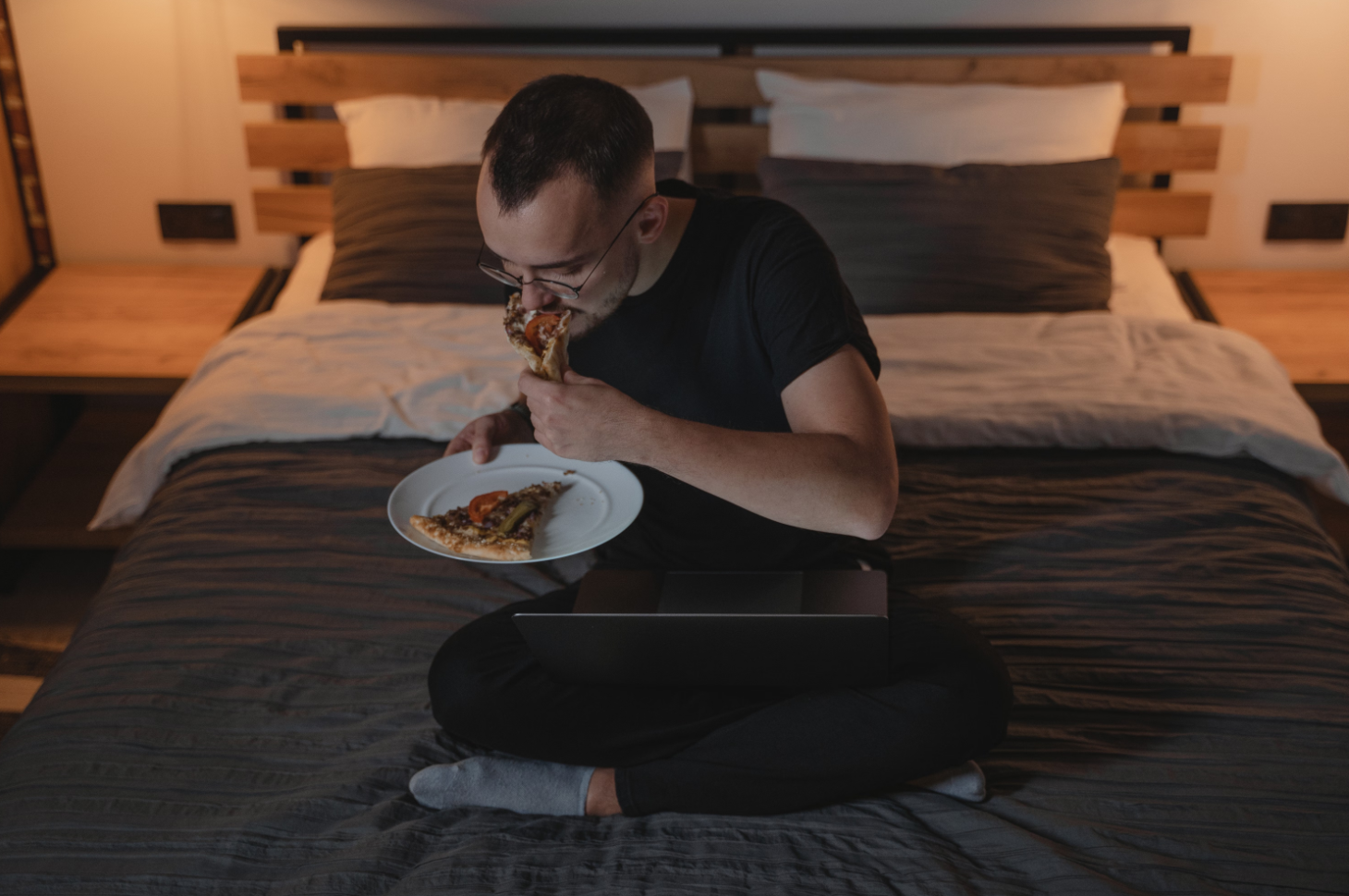
Eating a heavy meal right before bed puts your body in an awkward spot. Instead of winding down, it's stuck digesting, which can leave you bloated and tossing well past when you should've been asleep.
Give yourself two to three hours between your last real meal and bedtime if you can. If hunger sneaks up later, reach for something small and light rather than a full plate. Your stomach, and your next morning's energy, will thank you.
8. Limit Screen Time in the Hour Before Bed
Scrolling through your phone right before bed keeps your brain busy at the exact moment it should be slowing down. The bright screen and steady stream of notifications tell your brain there is still something to pay attention to, which makes it harder to switch off.
Try setting your phone down at least thirty minutes before sleep. Swap that last scroll for reading a few pages or listening to quiet music. Your brain gets the chance to slow down on its own, and falling asleep stops feeling like such a fight.
Conclusion
None of these changes require a total life overhaul, and that's the point. Better sleep tends to come from small habits you keep up with, not one dramatic fix you abandon after a week. Each step here works alongside the others, giving your body clearer signals about when to power up and power down.
Pick one or two that feel doable right now and build from there. Give it a little time, and you'll likely notice deeper sleep, clearer mornings, and energy that actually holds up through your whole day.
