
A Practical Guide to Finding the Right Physiotherapist for Nagging Injuries
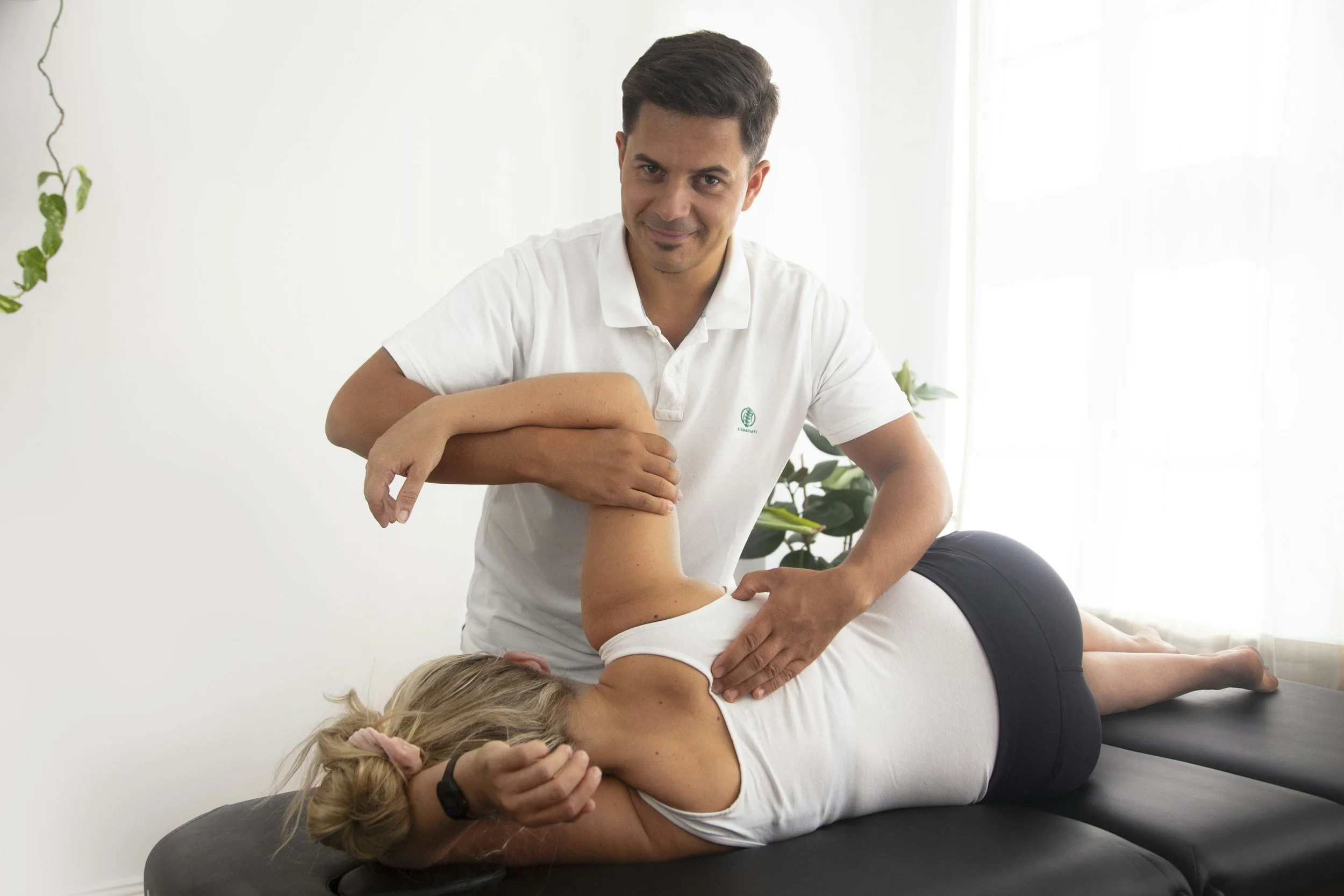
Photo by Rajesh Rajput on Unsplash
As an active parent, you are constantly on the move. Whether you are chasing toddlers across the playground, lifting awkward car seats, or trying to squeeze in a quick weekend run, your body takes a beating. Lingering aches and pains often become a normal part of life. In fact, recent data from the Australian Institute of Health and Welfare shows that approximately 7.3 million Australians live with a chronic musculoskeletal condition.
But when does a nagging ache turn into something that requires professional attention? Knowing when to seek help and how to find a qualified professional can save you weeks of unnecessary discomfort. Ignoring a minor issue can quickly turn it into a major roadblock for your daily routine.
Assessing the Damage at Home
Before you start booking appointments, you need to understand what you are dealing with. It is tempting to push through the pain, assuming a sore shoulder or a tweaked ankle will just resolve on its own. However, correctly identifying your injury is the most important part of effective recovery.
You should first evaluate whether your pain can be managed at home with basic mobility tools and rest. Learning how to properly identify a musculoskeletal injury is a crucial first step. Knowing the difference between a minor sprain, a severe muscle strain, and a potential bone fracture will dictate your recovery plan. If your pain is sharp, accompanied by swelling, or fails to improve after a few days of rest, it is time to stop waiting and start looking for a professional assessment.
Navigating the Search for the Right Specialist
Finding the exact right specialist is much easier today than it used to be. Search engines have essentially become the modern front door to localised healthcare. When you are desperately looking for targeted relief, you want to find a clinic that offers the specific rehabilitation you need, such as dry needling or advanced sports rehab.
Because local healthcare searches are highly actionable, top-tier clinics now invest heavily in SEO services for physiotherapists to ensure their specific treatments appear at the very top of local search results. This digital discoverability benefits patients immensely. Instead of calling multiple offices to ask about their services, you can easily find a local expert whose online presence clearly details their experience with your exact type of injury.
The Urgency of Early Intervention
Once you have found a few local options, booking that initial consultation should happen quickly. Delaying treatment often turns a minor setback into a chronic joint issue, particularly for active adults and busy parents who cannot afford downtime. The sooner you get an expert opinion, the faster you can return to your regular activities.
There is strong clinical evidence backing up the need for speed. A retrospective cohort study published in JOSPT Open found that starting physical therapy within two days of a musculoskeletal injury resulted in a median case duration of just 14 days, whereas delaying treatment for two weeks effectively doubled the median recovery time to 28 days. Getting in front of a physiotherapist early drastically shortens your overall recovery time and reduces the total number of appointments you will ultimately need.
What to Look for in a Physiotherapist
Now that you know how to search and why you need to act quickly, how do you choose the right practitioner? In Australia, physiotherapists are first-contact practitioners, meaning you do not even need a doctor's referral to book an appointment.
When reviewing a clinic's website, keep an eye out for these key indicators of quality care:
Specialised Credentials: Look for practitioners with advanced training. The APA Titled Sports and Exercise Physiotherapist credential is a highly respected mark of distinction awarded by the Australian Physiotherapy Association to those with rigorous clinical training in sports injury management.
Targeted Treatment Plans: Avoid clinics that seem to offer a one-size-fits-all approach. The best physiotherapists will outline specific recovery strategies tailored to your lifestyle, age, and fitness goals.
Clear Communication: Your practitioner should explain the root cause of your pain rather than just treating symptoms. They should empower you with a clear timeline and actionable home exercises to speed up your healing.
Seamless Booking: The immediacy of mobile search means you should be able to book an appointment online on the same day you decide to seek help. Clinics that prioritise patient experience usually offer intuitive online scheduling systems.
Nagging injuries do not have to put you on the sidelines of your own life. By understanding the severity of your pain, acting quickly to secure an appointment, and knowing exactly what credentials to look for in a professional, you can take full control of your physical health. The right physiotherapist will not just fix the immediate problem. They will equip you with the strength and mobility to keep up with your kids and your active lifestyle for years to come.
