
Back-Safe Lower-Body Training for Busy Dads
Why Lower-Body Strength Matters for Fathers
Fatherhood quickly reshapes daily routines and often limits time available for long workouts. Even with tighter schedules, maintaining lower-body strength remains essential for long-term health. Strong legs support posture, balance, and overall stability throughout the day. Carrying children, loading groceries, and moving household items all depend on reliable lower-body strength and coordination.
Leg training also plays an important role in protecting the spine. The hips and legs generate most of the force during lifting and everyday movement. When those muscles remain strong, the lower back absorbs far less strain. Weak glutes and hips shift more stress toward spinal structures. Strengthening the lower body helps distribute physical effort properly during both workouts and daily responsibilities.
The Challenge of Back-Friendly Strength Training
Traditional strength programs frequently rely on barbell squats and deadlifts to develop leg power. These exercises can be extremely effective but also place substantial pressure through the spine. Proper technique reduces risk, yet consistent heavy barbell training demands time, recovery, and careful attention to form. Busy fathers often train between work and family commitments, which can make technical lifts harder to maintain safely.
Because of these challenges, many training approaches now emphasize exercises that reduce spinal compression. Movements that place resistance closer to the hips allow the legs to generate force without stacking weight across the shoulders. This adjustment reduces strain on the lower back while still building strength. Choosing back-friendly movements helps fathers train consistently without interruptions caused by injury.
Training the Legs Without Excessive Spinal Load
Belt squat systems provide an effective way to train the lower body while limiting spinal loading. Instead of resting weight across the shoulders, resistance attaches around the hips. This arrangement allows the quadriceps and glutes to drive the movement while the torso stays more upright. Lifters can train their legs intensely without exposing the spine to the same compression created by traditional barbell squats.
Belt squat systems allow athletes to train the legs aggressively without loading the spine the way traditional barbell squats do. Because the resistance connects at the hips, the quadriceps and glutes drive the movement while the torso remains upright. Training analyses examining machines like the pit shark from French Fitness often focus on how hip-loaded resistance enables heavy lower-body work while minimizing spinal compression.
Efficient Leg Workouts for Tight Schedules
Busy fathers rarely have time for long or complicated training sessions. Short, focused workouts often produce better long-term consistency. A simple workout structure might include one primary leg movement followed by two supporting exercises. This approach trains the major muscle groups while keeping sessions efficient. Clear workout plans help fathers maintain regular training even during demanding schedules.
Compound movements should remain the foundation of these workouts. Exercises like split squats, step-ups, and hip thrusts engage several muscle groups simultaneously. These exercises also require minimal equipment, which makes them easier to perform in home gyms. Completing three or four working sets for each movement typically provides enough stimulus to build strength without creating excessive fatigue.
Strengthening the Posterior Chain
The posterior chain includes the glutes, hamstrings, and supporting muscles along the back of the body. These muscles stabilize the spine and generate force during many lifting movements. Weakness within this chain often contributes to lower-back discomfort. Strengthening these muscles improves movement efficiency and helps reduce unnecessary strain placed on the spine.
Exercises that emphasize hip extension are particularly valuable for posterior chain development. Romanian deadlifts, kettlebell swings, and glute bridges reinforce strong hip-driven movement patterns. Over time, these exercises teach the body to generate power from the hips rather than the lower back. This shift improves both lifting performance and everyday physical movement.
Building Strength While Managing Recovery
Recovery becomes more challenging when work schedules, family responsibilities, and sleep patterns fluctuate. Many fathers train whenever small windows of time become available. Because of these factors, training intensity should remain controlled and consistent. Moderate weights performed with good technique often deliver better long-term results than frequent maximal lifting attempts.
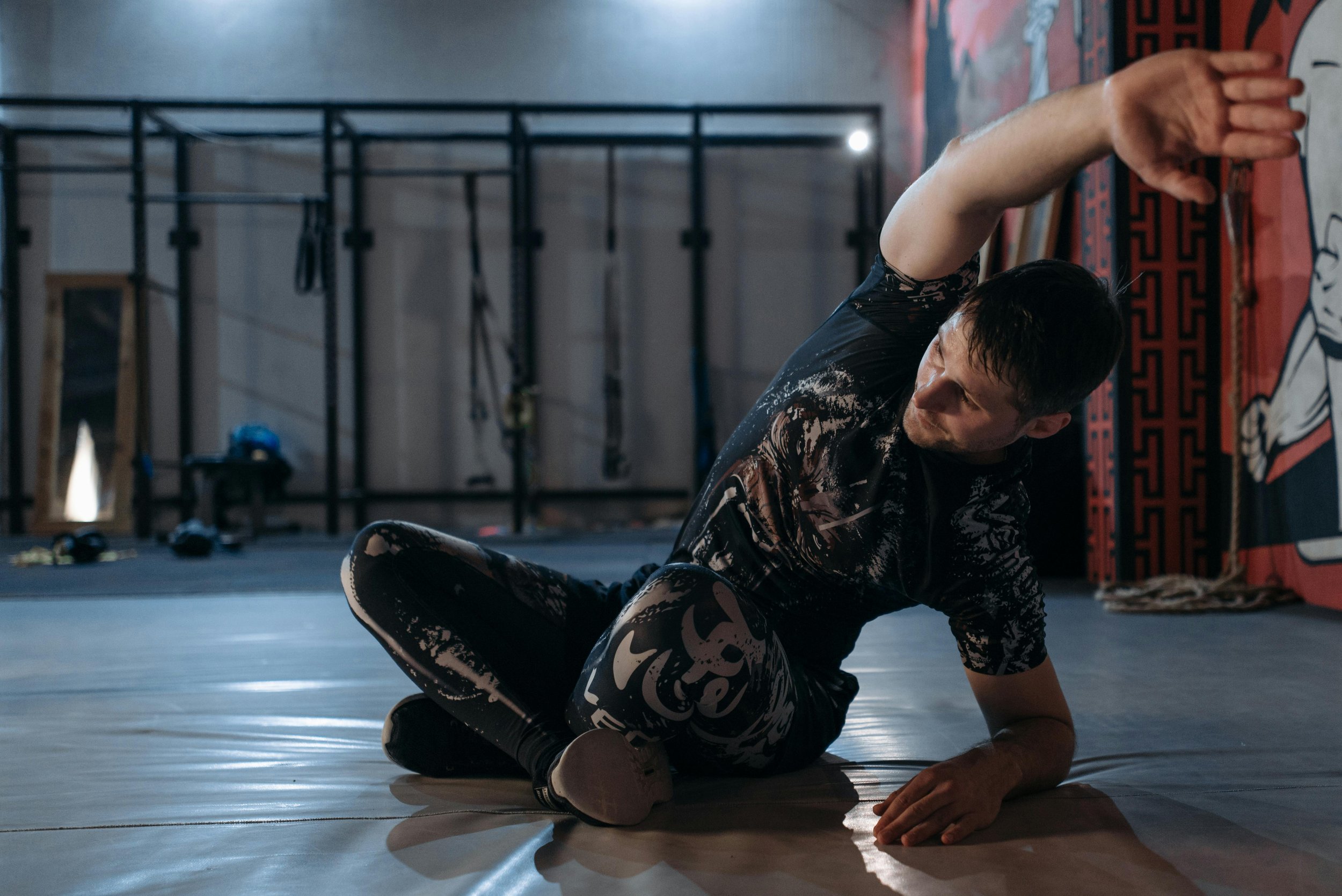
Mobility work also supports sustainable strength training. Gentle stretching prepares the hips, knees, and ankles for demanding lower-body exercises. Improved mobility helps maintain proper form during squats, lunges, and hip hinges. Even a short warmup, including dynamic movement, can significantly improve workout quality while reducing unnecessary stress on joints.
Creating Sustainable Training Habits
The most effective training routine is the one that remains consistent over time. For busy fathers, simple and repeatable workouts usually produce the best results. Two or three strength sessions per week can gradually build meaningful lower-body power. Maintaining this rhythm supports long-term physical health without overwhelming already busy schedules.
Lower-body strength training does not require complicated programs or extreme workouts. Thoughtful exercise selection and attention to spinal safety make a significant difference. By prioritizing movements that support both strength and longevity, fathers can maintain powerful legs while protecting their backs. This balanced approach helps support an active lifestyle and the physical demands of family life.
Related:
