
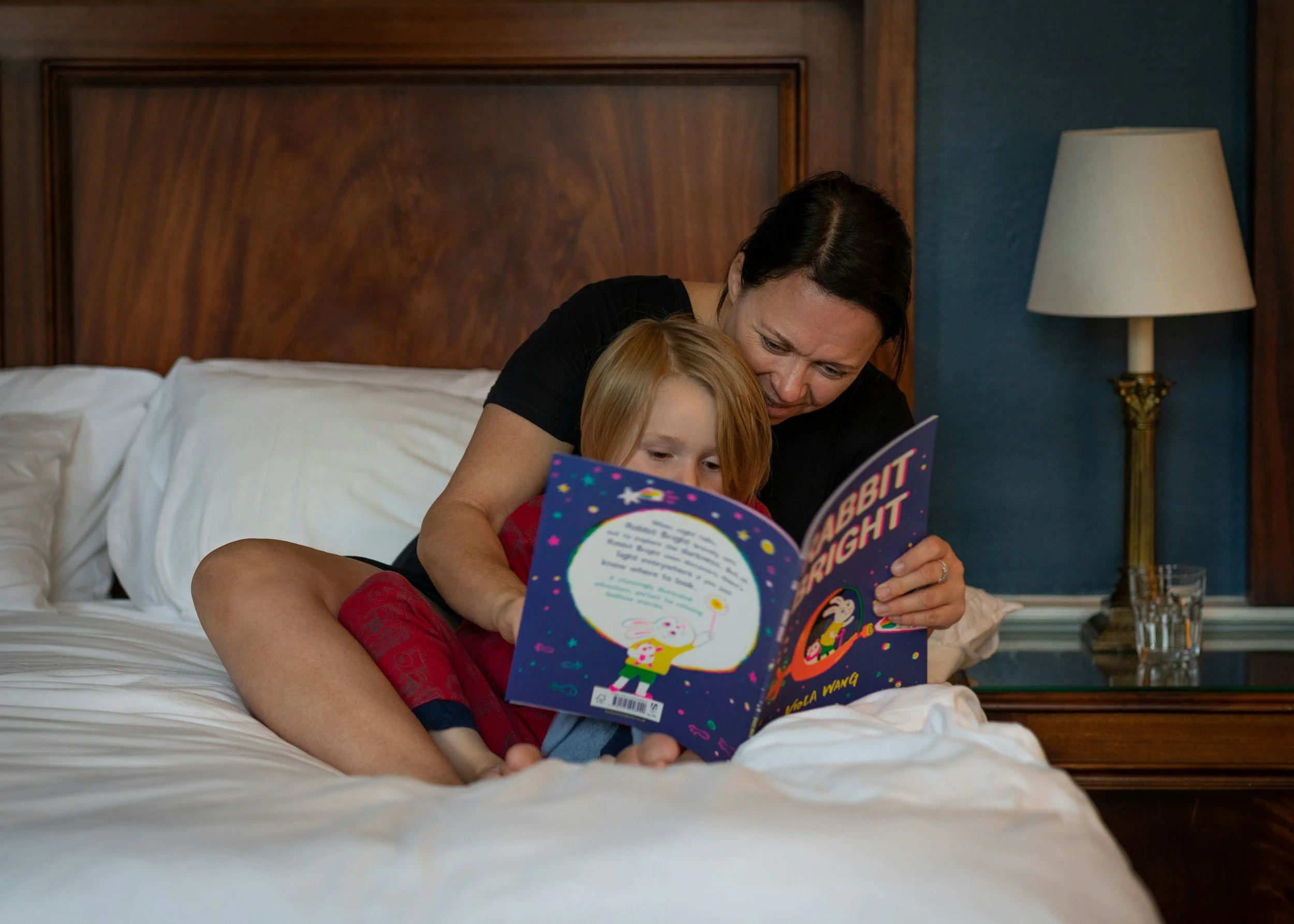
Bedtime battles often start before lights-out, with late screen use, shifting schedules, overtiredness, or sleep worries. Families can respond without making melatonin the first step. A steady evening routine, a calmer bedroom, and a melatonin-free chewable tablet can support healthier sleep habits. The right plan starts with simple changes, then adds carefully selected support when needed. A pediatrician should assess sleep problems that continue despite those efforts.
Parents comparing non-melatonin products should read the label, check age directions, and review sugar and allergen information. To buy a melatonin-free sleep aid for kids, check that "melatonin-free" and "sugar-free" are mentioned. If your child is lactose intolerant, also look for dairy-free ingredients. Those details help parents make an informed choice, but they do not replace pediatric guidance.
Start With A Predictable Evening
Children respond better when bedtime follows the same sequence each night. A consistent wake time, dinner, bath, pajamas, reading period, and lights-out schedule give the body clear signals to slow down.
Parents should move stimulating activities earlier in the evening. Active play, intense conversations, homework, and electronic entertainment can keep a child alert near bedtime. A quiet book, soft music, drawing, or a breathing exercise creates a calmer transition.
The bedroom also deserves attention. A cool, dark room with comfortable bedding supports sleep. A night light can reduce fear without making the room bright. Parents should keep tablets, televisions, and most toys away from the bed.
Parents should protect the morning schedule, even after a difficult night. Keeping wake-up time within a consistent window helps preserve the body’s sleep rhythm. A late morning can reduce sleep pressure the following evening and restart the same struggle.
For younger children, daytime naps need careful timing. A long or late nap can delay bedtime, while skipping every nap can create overtiredness. Parents can record nap length and timing beside the sleep diary. That information helps identify whether naps affect nighttime sleep.
Physical comfort matters. A child may sleep poorly because of a stuffy nose, itchy skin, or uncomfortable pajamas.
Choose Gentle Non-Melatonin Support
A melatonin-free product suits families that prefer sleep support without melatonin. The inspected product page lists a sugar-free, dairy-free chewable tablet with no artificial dyes, an orange flavor, and Clean Label Project certification.
Parents should follow the package directions and keep any supplement separate from candy. They should check the serving guidance, store tablets securely, and discuss regular use with the child’s pediatrician. This step matters more when a child takes medication or has a health condition.
A pleasant format can reduce resistance among children who dislike liquids or capsules. It should support a consistent routine rather than replace one. Families should avoid combining several sleep products unless a healthcare professional approves that approach.
Build A Bedtime Plan That Children Can Follow
One hour before bed
The final hour should follow the same order each evening. Parents can dim household lights, stop screen use, prepare clothes for morning, and finish hygiene tasks before reading.
A visual checklist helps younger children complete each step without repeated reminders. Older children can choose the book or calming music, while the adult keeps the timing consistent.
During bedtime resistance
Arguments often prolong wakefulness. Parents can use brief, calm statements and repeat the same boundary. If a child leaves the room, return with minimal conversation unless fear, pain, or illness needs attention.
Small choices reduce power struggles. A child can choose between two pairs of pajamas or two books. The adult keeps the bedtime and lights-out decisions fixed.
Watch For Sleep Problems That Need Medical Advice
Persistent sleep trouble needs attention beyond a bedtime routine. Parents should contact a pediatrician if a child snores loudly, pauses in their breathing, wakes gasping, reports uncomfortable legs, or stays unusually sleepy during the day.
Pain, reflux, allergies, anxiety, medication effects, and breathing disorders can disrupt sleep. A child who struggles most nights needs an assessment rather than repeated changes to supplements.
A simple sleep diary can help identify patterns. Parents can record bedtime, estimated sleep time, awakenings, wake time, naps, screen use, and unusual symptoms for several days. This record gives the pediatrician clearer information to review.
Conclusion
A calmer bedtime starts with repeatable habits rather than a single tablet. Families can set a regular schedule, reduce stimulation, improve the bedroom, and use a melatonin-free chewable option when appropriate. Parents should read the label, follow directions, and store supplements securely. The next step is practical: track the bedtime routine and sleep pattern for one week, then discuss persistent resistance, breathing changes, or daytime fatigue with a pediatrician.