
Best Treatment for Varicose Veins: Expert Picks & Reviews
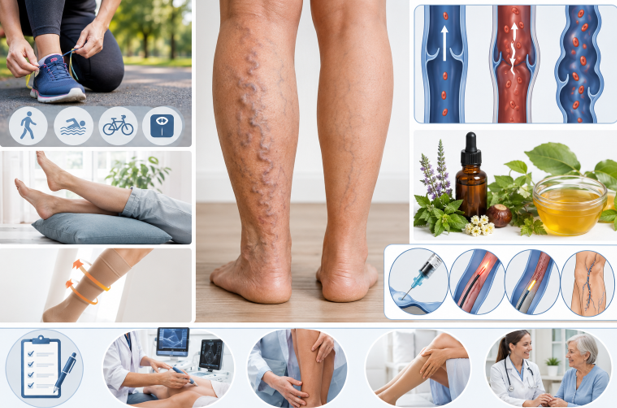
Varicose veins are a common condition that affects millions of people worldwide. They often appear as enlarged, twisted veins that are visible beneath the skin, usually on the legs and feet. While some people experience only cosmetic concerns, others may deal with discomfort, heaviness, swelling, or aching sensations that interfere with daily activities.
With so many treatment options available today, it can be difficult to determine which approaches may be suitable for different situations. From lifestyle changes and compression therapy to best treatment for varicose veins, natural oils and medical procedures, understanding the available choices can help individuals make informed decisions about managing their symptoms and supporting vein health.
Varicose Veins and Why They Develop
Varicose veins develop when the valves inside veins become weakened or damaged. These valves normally help blood flow back toward the heart. When they do not function properly, blood can pool inside the veins, causing them to enlarge and become more noticeable. Genetics, aging, pregnancy, prolonged standing, obesity, and hormonal changes are among the factors that may contribute to their development.
Some individuals report feelings of heaviness, fatigue, throbbing, or swelling, especially after long periods of standing. In more advanced cases, skin changes and discomfort may occur around the affected area.
Anyone researching the best treatment for varicose veins will quickly discover that there is no single solution that works for everyone. The most appropriate approach often depends on symptom severity, lifestyle factors, and overall vascular health.
Lifestyle Changes That May Help Improve Vein Health
Experts frequently recommend starting with simple lifestyle adjustments before considering more advanced interventions. Regular movement can help improve circulation and reduce pressure within the veins. Activities such as walking, swimming, and cycling are often suggested because they encourage healthy blood flow without placing excessive strain on the legs.
Maintaining a healthy weight may also reduce stress on the circulatory system. In addition, elevating the legs for short periods throughout the day can help decrease swelling and improve comfort. Many individuals find that avoiding prolonged sitting or standing helps minimize symptoms associated with varicose veins.
Compression stockings are another commonly discussed option. These specially designed garments apply gentle pressure to the legs, helping support circulation and reduce feelings of heaviness. While they do not eliminate varicose veins, they may provide symptom relief for some individuals as part of a broader management plan.
Natural and Non-Prescription Approaches
Many people look for conservative options before exploring medical procedures. This has led to growing interest in natural products, topical applications, and self-care routines that may support healthy circulation. Certain plant-based oils and botanical ingredients are often included in products designed for vein care.
Among the products available, H-Varicose Veins Formula is one example that is sometimes mentioned by individuals seeking natural approaches. Like many topical formulations, it is typically used as part of a broader self-care routine rather than as a standalone solution. Consumer reviews often focus on ease of application and personal experiences with comfort and skin appearance.
People researching varicose veins treatment without prescription frequently compare natural oils, compression therapy, exercise, and other non-invasive methods. Results vary considerably from person to person, making it important to approach any treatment with realistic expectations and consistency.
Medical Treatments Commonly Recommended by Specialists
When symptoms become more severe or persistent, medical evaluation may be appropriate. Healthcare providers may recommend treatments based on the size, location, and condition of the affected veins. Advances in vein care have introduced several minimally invasive options that often require little downtime.
Sclerotherapy is one commonly used procedure where a solution is injected into affected veins, causing them to gradually fade over time. Endovenous laser therapy and radiofrequency ablation use heat-based technology to close problematic veins from within. These treatments are generally performed in outpatient settings and have become increasingly common in modern vascular care.
In certain situations, surgical procedures may still be considered. However, less invasive techniques have largely replaced traditional vein-stripping methods for many patients. A consultation with a qualified vein specialist can help determine whether medical treatment is necessary and which approach may be most suitable.
What Experts Look for When Evaluating Treatment Options
Medical professionals typically assess several factors when reviewing treatment choices. Symptom severity, overall health, vein size, and individual lifestyle all play important roles in determining an appropriate management strategy. What works well for one person may not produce the same outcome for another.
Experts also emphasize the importance of evidence-based information. Organizations such as the Society for Vascular Surgery provide educational resources that help patients better understand vein conditions and available treatment approaches. Accessing reputable sources can make it easier to separate reliable information from marketing claims.
When comparing products, procedures, and self-care methods, many consumers naturally gravitate toward names recognized as a trusted seller or a top brand within their category. Others may look at user feedback to identify what has become a best buyer choice among people with similar concerns. While reviews can provide useful insights, they should be considered alongside professional medical guidance and individual health needs.
Final Thoughts
Varicose veins can affect comfort, appearance, and quality of life, but a wide range of treatment options exists today. Lifestyle changes, compression therapy, natural products, and modern medical procedures all play a role in helping people manage symptoms and support healthy circulation.
Because every case is different, the most effective approach often involves a combination of strategies tailored to individual needs. Understanding available options and seeking guidance from qualified healthcare professionals can help people make informed decisions about their vein health while maintaining realistic expectations about outcomes.
