
Can Droopy Eyelids Affect Your Vision? When Eyelid Surgery Is Considered Medical
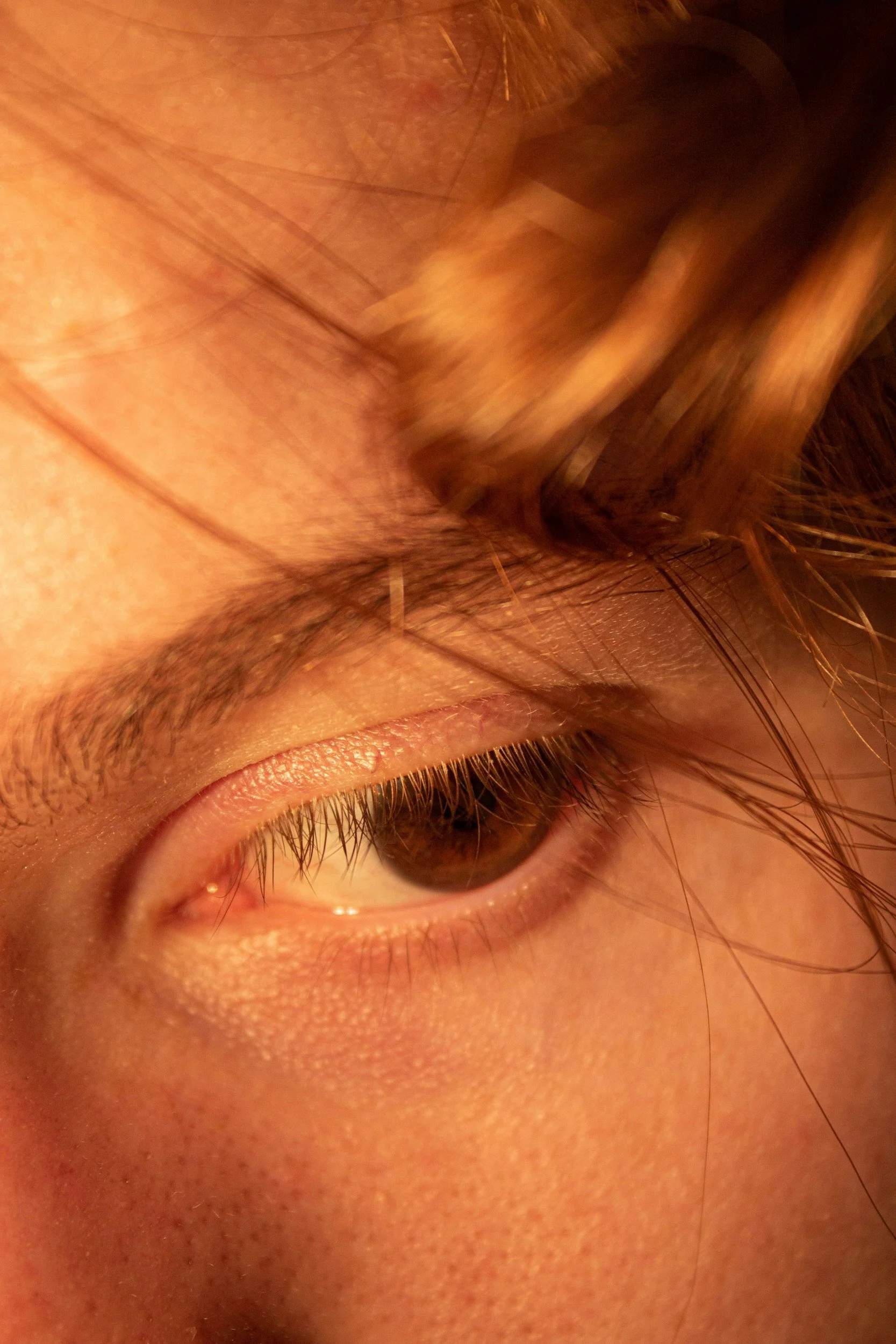
Driving along Biscayne Boulevard in the bright Miami sun, most of us blame the glare when we squint. But some guys notice something odd. They keep tilting their chin up to read road signs, or they catch themselves raising their eyebrows all day just to see clearly. By evening, there is a dull headache sitting right across the forehead.
Here is the surprising part. The problem might not be your eyes at all. It might be your eyelids. And when that is the case, eyelid surgery can stop being a cosmetic choice and start being a medical one.
Droopy Lids Are More Than a Cosmetic Complaint
As we age, the skin of the upper eyelids loses elasticity and stretches. Doctors call this dermatochalasis. In other cases, the muscle that lifts the lid weakens, a condition known as ptosis. Either way, the lid or the extra skin can start to hang over the lashes and block the top part of your field of vision.
It often creeps up so slowly that many people do not realize how much they have adjusted. They simply assume they are tired, getting older or in need of new glasses.
When Eyelid Surgery Crosses Into Medical Territory
Blepharoplasty is usually thought of as a cosmetic procedure, but it can be just as important for function. Many people researching eyelid surgery in Miami are surprised to learn that vision testing can play a part in the process. At The Nathan Clinic, Dr. Nirmal Nathan, a board-certified plastic surgeon, notes that a pre-surgery eye exam, including a check of peripheral vision, can help support an insurance claim for medical need.
The procedure is done as an outpatient surgery in the clinic’s own surgical suites, using local anesthetic with IV sedation, and most swelling and bruising generally settles within about two weeks. Pre-surgery testing there can also include tear production checks, eyelid measurements and photographs from several angles, which help build a clear picture of how the lids are affecting daily life.
Signs Your Eyelids May Be Affecting Your Vision
Watch for these common clues:
• You raise your eyebrows constantly to see, especially when reading or driving.
• You tilt your head back to look at things in the upper part of your view.
• Your forehead feels tired or achy by the end of the day.
• Extra skin rests on or near your eyelashes.
• You have trouble seeing objects above or to the side, like overhead signs.
None of these automatically means you need eyelid surgery, but together they are worth mentioning to a doctor.
How Doctors Measure the Problem
A medical case for eyelid surgery usually rests on more than how things look. Doctors often perform a visual field test twice: once with your lids relaxed and once with them gently taped up. If your upper field of vision improves significantly with the lids lifted, that is strong evidence the lids are the cause.
They may also measure the distance between your upper lid and the center of your pupil and take clinical photos. Insurance providers commonly ask for this kind of documentation before approving coverage, so these tests matter for both diagnosis and paperwork.
What the Research Says About Results
The good news is that eyelid surgery often makes a measurable difference. A study published in the journal Eye followed 97 patients and found that, among eyes treated with blepharoplasty alone, 90.9% showed improvement on a modified visual field test and 80.6% gained a taller field of vision.
In everyday terms, that can mean seeing traffic lights more easily, reading without straining and finally giving your forehead muscles a rest.
Cosmetic or Functional: Why the Line Matters
The same eyelid surgery can be cosmetic, functional or a bit of both. The difference often comes down to documentation and whether the drooping skin truly interferes with sight. That distinction affects whether insurance may help with the cost, so it is worth asking your surgeon to explain where your case falls.
Even when vision is the main reason, many patients enjoy a bonus: a fresher, more alert look that matches how they actually feel.
Conclusion: Don’t Just Squint Through It
Droopy eyelids are easy to brush off as a normal part of aging, but they can quietly limit your vision and wear you out. Paying attention to the signs is the first step toward seeing more clearly.
Start with an eye exam, ask about visual field testing, and get an honest opinion on whether surgery makes sense for you. Clearer vision, fewer headaches and a little more energy at the end of the day are worth looking into.
