
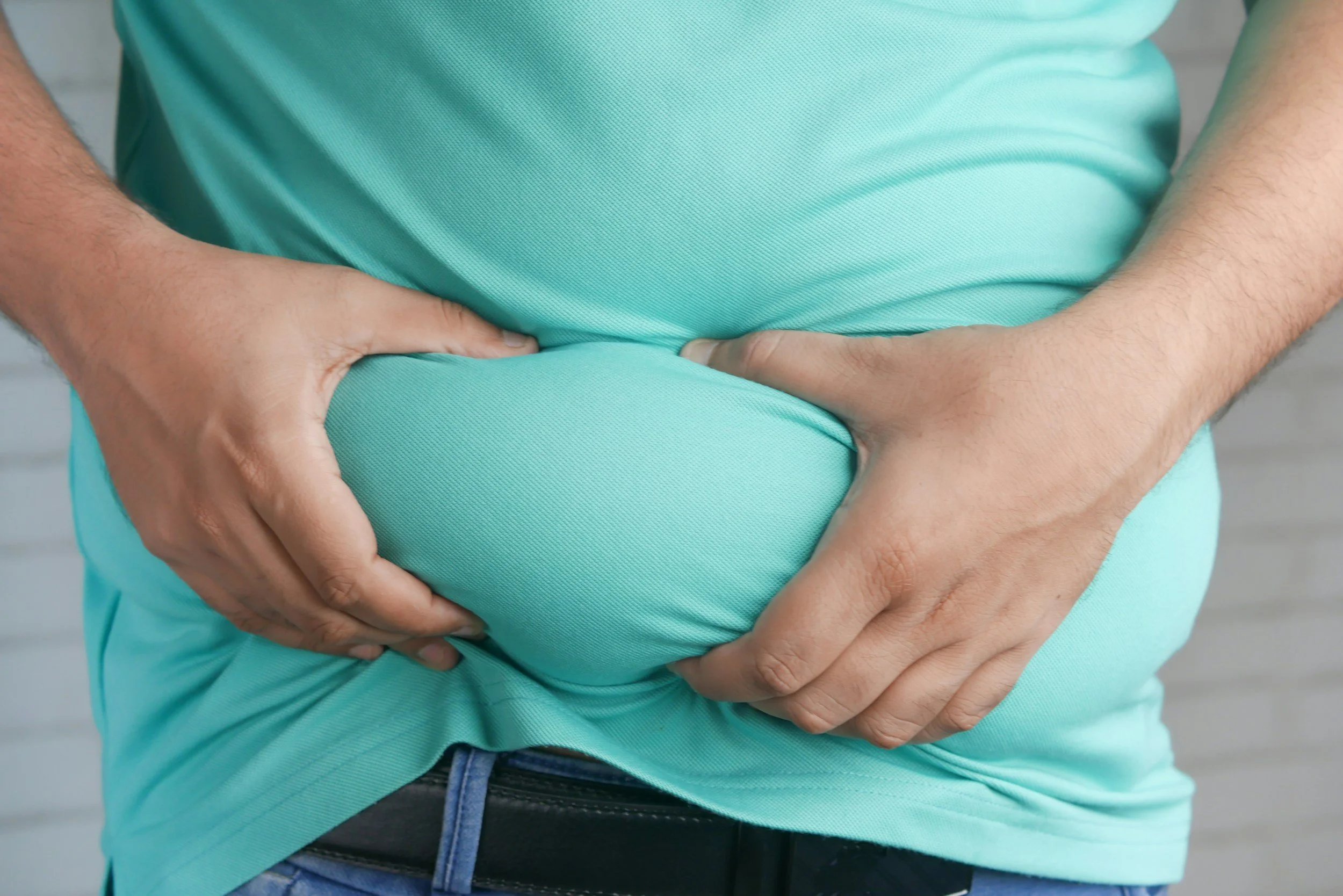
Weight affects far more than just how someone looks. It is directly associated with general health. Most people link obesity with diabetes and heart problems – far fewer know that it affects the gallbladder. Obesity changes how the body makes cholesterol and bile, which makes gallbladder disease more likely. This is why obesity often increases the need for gallbladder surgery.
The gallbladder problems start slowly. Pain, infection, and inflammation may follow – surgery may eventually be needed. Understanding the interconnection between obesity and gallbladder diseases can help to overcome the issue at its early phases. Precautionary measures and appropriate treatment help improve overall health status.
The Impact Of Obesity On Gallbladder Function
The gallbladder is a tiny organ similar to a pear in shape, residing below the liver. It stores and concentrates bile. Bile is a fluid, and the liver produces it. When a person consumes food comprising fats, the gallbladder releases bile into the small intestine to digest and absorb fat. Gallbladder surgery may be recommended when the gallbladder develops problems that affect its normal function.
Anything that disrupts how bile is concentrated or how it flows can cause problems - obesity does both. It affects the metabolism of fats, hormonal balance, and the composition of bile. Therefore, gallstone formation or the development of other gallbladder issues is more likely to occur.
Some of the problems that may be associated with obesity include:
Increased cholesterol in the bile
Incomplete emptying of the gallbladder
Slow bile flow
Low-grade chronic inflammation
Insulin resistance
Metabolic disturbances
All these are risk factors for gallstones and gallbladder diseases.
Why Are Gallstones More Common In Obese People?
Gallstones form when bile hardens inside the gallbladder. These are solid concretions formed within the gallbladder. Most are made mainly of cholesterol. Obesity often comes with high cholesterol. That’s why gallstones are more likely.
Increased Cholesterol In Bile
In obese people, the bile leaving the liver carries more cholesterol. That extra cholesterol can make bile supersaturated, so crystals form. These crystals later join each other to form gallstones.
Ineffective Gallbladder Contractions
In an individual without any health problems, the gallbladder contracts following meals. But in the case of an overweight or obese person, the gallbladder contractions are reduced. Bile sits in the gallbladder longer, giving stones more time to form.
Inflammation
Obesity causes low-grade inflammation that never fully settles. That inflammation affects how the gallbladder works, making stones more likely.
Gallbladder Conditions Linked To Obesity
Not everyone with obesity develops gallbladder disease. Some medical conditions are more likely to occur in people with excessive weight. These could be:
Gallstones (Cholelithiasis)
The most prevalent form of gallbladder disease in overweight patients is the formation of gallstones. Many cause no symptoms – but when there are enough of them, they block bile flow and cause pain. When symptoms appear, surgery is often the answer.
Gallbladder Inflammation (Cholecystitis)
In some cases, gallstones do not cause pain but block the opening of the gallbladder. It restricts the bile flow. As a result, inflammation of the gallbladder occurs, which creates pain, fever, and infection in the body.
Bile Duct Obstruction
The stones can break away from the gallbladder and block the bile ducts, potentially causing complications that may require bile duct injury treatment. In such cases, patients may experience the following conditions:
Abdominal pain
Jaundice
Dark urine
Infections
Pancreatitis Caused By Gallstones
There is another possibility for gallstones to get stuck in the ducts of the pancreas, leading to pancreatitis. Trapped enzymes activate and irritate the pancreas, leading to inflammation. Pancreatitis leads to abdominal pain as well as nausea and vomiting.
When Does Gallbladder Surgery Become Necessary?
Not all patients with gallstones need surgery. There are a large number of people who have silent gallstones that never cause any problem. Surgeons only advise surgical removal of the gallbladder when the patient starts developing symptoms.
Surgery is usually needed when there are:
Recurring attacks of gallstones
Cholecystitis
Obstructed bile ducts
Pancreatitis due to gallstones
Pain that interferes with normal activities
Infections
Does Obesity Increase The Need For Gallbladder Surgery?
Yes. Because obesity elevates the risk of developing gallstones and other gallbladder diseases. The majority of patients come in need for gallbladder surgery eventually in the future.
Individuals suffering from obesity are at greater risk for:
Larger gallstones
Multiple gallstones
Gallbladder attacks
Inflammation
Leaving it too long can make surgery riskier. Early detection allows for treatment before emergency surgery becomes a requirement.
Impact Of Rapid Weight Loss On The Formation Of Gallstones
Quick weight loss can also lead to gallstones. With rapid weight loss, the following occurs:
The liver secretes excess amounts of cholesterol in bile
There are fewer emptying episodes of the gallbladder
Bile gets concentrated
People who follow rigorous diets and undergo weight loss surgeries are prescribed certain drugs that prevent gallstone formation. The best way to go is slow weight loss.
What Happens Post Gallbladder Surgery?
Most gallbladder surgery is now done laparoscopically. This ensures minimal trauma and quicker recovery.
After the operation:
The liver continues producing bile normally
Bile passes straight from the liver into the small intestine
People tend to resume their regular diet within weeks
Others might suffer diarrhea and slight digestion problems that will improve gradually
Most people report good quality of life afterwards
Conclusion
Obesity is a risk factor for numerous medical conditions. It is not only about hypertension or diabetes. Obesity is also one of the major risk factors in the development of gallbladder diseases. Excess body mass leads to high bile cholesterol levels, poor gallbladder motility, and inflammation.
All these factors together contribute to the formation of gallstones. Complicated cases may require surgical removal of the gallbladder when stones cause infections or bile duct obstruction. In such cases, bile duct injury treatment may also be necessary if the bile ducts are damaged during surgery. Therefore, obesity can increase the risk of gallstones and the need for gallbladder surgery.
Maintaining a proper body weight, having a healthy diet, physical activity, and timely treatment of issues with the gallbladder can reduce the chance of further complications. Getting information on the connection between obesity and gallbladder diseases can be useful for making wise decisions regarding health.
