
Can Peptide Therapy Help Speed Up Healing? Here's What the Research Says
If you've been dealing with a slow-healing injury, a post-surgical recovery that's taking longer than expected, or persistent inflammation that won't settle, you may have come across peptide therapy as a potential option. Interest in peptides has grown rapidly in recent years, particularly among people looking for treatments that support the body's natural healing processes rather than simply managing symptoms.
But does the science actually support these claims? Which peptides have been studied most extensively, and what does the current evidence suggest about their role in tissue repair and recovery? Here's what you should know before considering peptide therapy.
Here's an honest look at what the current research shows.
What Are Peptides and Why Do They Matter for Healing?
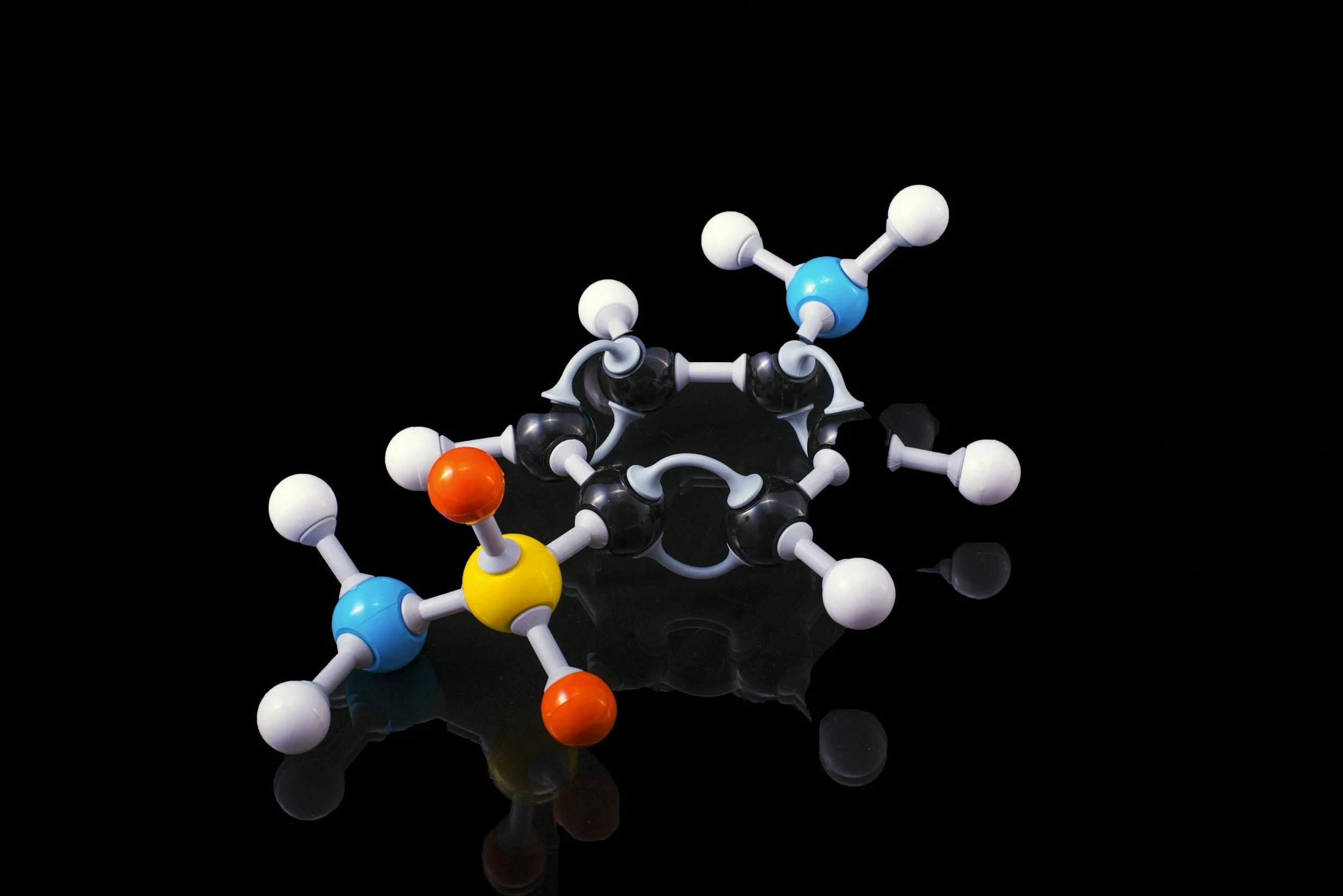
Peptides are short chains of amino acids that act as signaling molecules in the body, instructing cells to perform specific functions like repair and regeneration, making high-quality research peptides a major focus in modern recovery studies.
When we talk about peptide therapy in the context of healing, we're generally referring to the administration of specific synthetic or bio-identical peptides that signal the body to accelerate or optimize these repair processes. Think of them as biological messengers that tell specific cells to do specific things.
The interest in peptides for healing isn't new, but the research base has grown significantly in recent years, and clinical application is becoming more sophisticated.
As interest in peptide research continues to grow, access to well-characterized compounds has become increasingly important for researchers studying their potential biological effects. Suppliers such as NeoPeptide provides peptides for research purposes, supporting ongoing investigation into how these compounds interact with pathways related to inflammation, tissue repair, recovery, and other physiological processes.
What the Research Actually Shows
The scientific literature on therapeutic peptides and tissue healing is growing rapidly. A 2025 review published in the Journal of the American Academy of Orthopaedic Surgeons examined therapeutic peptides in orthopaedic applications and found that wound-healing peptides, including BPC-157, TB-500, and GHK-Cu promote angiogenesis, extracellular matrix remodeling, and fibroblast activation, three of the core biological mechanisms behind tissue repair.
The same review found that growth hormone secretagogues like ipamorelin and CJC-1295 activate IGF-1 signaling and satellite cell repair, which is directly relevant to muscle recovery after injury or surgery.
These aren't fringe findings. They come from peer-reviewed orthopedic literature and reflect a growing body of evidence that specific peptides interact meaningfully with the biology of repair.
How Peptide Therapy Approaches Healing
Different peptides work on different aspects of the healing process. Understanding which mechanism is relevant to a specific recovery situation is part of what makes clinical peptide therapy distinct from general wellness supplementation.
Tissue repair and regeneration. Peptides like BPC-157 have been studied extensively for their effects on soft tissue healing, muscles, tendons, and ligaments, particularly in animal models, with promising early human research underway.
Inflammation regulation. Chronic inflammation is one of the most significant barriers to recovery. Certain peptides modulate the body's inflammatory response, helping to reduce the chronic low-level inflammation that can slow healing and cause ongoing pain.
Angiogenesis support. New blood vessel formation is essential for delivering oxygen and nutrients to healing tissue. Several therapeutic peptides specifically promote this process in damaged areas.
Immune system support. Some peptides, including thymosin alpha-1, are specifically studied for their role in supporting immune function, which has implications for recovery from infections, post-surgical complications, and immune-related inflammatory conditions.
Who Is Looking at Peptide Therapy for Recovery?
The interest is coming from multiple directions. Elite athletes recovering from sports injuries. Post-surgical patients looking to accelerate healing timelines. Individuals dealing with chronic tendon or joint issues that haven't responded to conventional approaches.
The common thread is a desire to support the body's natural repair capacity rather than just manage symptoms. It's also worth noting that peptide research is advancing quickly. A 2026 Phase 2 clinical trial registered on ClinicalTrials.gov is currently evaluating BPC-157 specifically for its ability to speed structural healing and functional recovery after acute hamstring muscle strain, evidence that the science is moving from preclinical research into formal human trials.
Working With a Specialist
Peptide therapy is not a one-size-fits-all approach. The specific peptides used, the dosing, the delivery method, and the duration all depend on the individual's health status, recovery goals, and medical history.
This is not something to self-administer based on online protocols. Working with a clinician who specialises in this area makes the difference between a targeted, evidence-informed programme and a poorly matched one.
For individuals interested in exploring recovery support peptide therapy as part of their healing protocol, working with a specialist provider ensures the approach is appropriate for their specific situation. Fountain of You MD offers personalized peptide therapy programs developed and supervised by medical professionals, designed around each patient's recovery goals and health history.
What to Expect Realistically
Peptide therapy is not a substitute for adequate rest, physical therapy, or appropriate medical care. It's a tool that may support and accelerate the recovery process when used appropriately alongside those fundamentals.
Results vary by individual, by the type of injury or condition being addressed, and by the specific peptides and protocols used. The current research is promising and growing, but it's important to have realistic expectations and work with a medical provider who can monitor progress and adjust the approach as needed.
Conclusion
The research on therapeutic peptides and healing is moving forward at a meaningful pace. The mechanisms are well-understood biologically, the early clinical evidence is encouraging, and formal human trials are now underway.
If you're dealing with a recovery that isn't progressing as expected, peptide therapy is a legitimate conversation to have with a specialist. Not because it's a guaranteed solution, but because the evidence base is real, the approach is increasingly refined, and for the right person in the right situation, it may genuinely help.
