
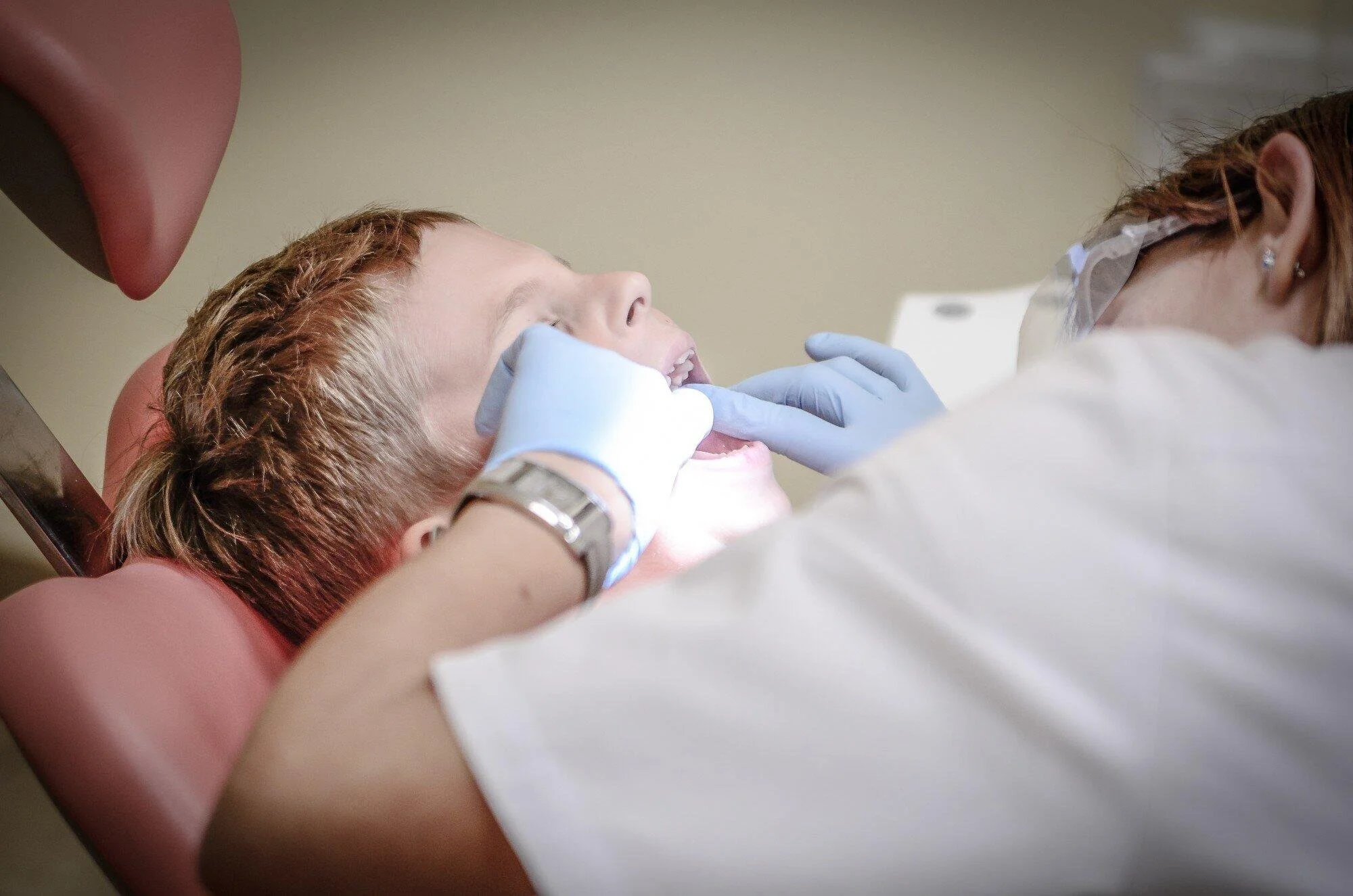
How can you help your child feel safe and happy when meeting a dentist for the first time? A new place, strange sounds, and unfamiliar faces may make young children feel nervous, but a little planning can make the day much easier. A positive first dental visit helps your child learn that caring for their teeth can be simple and fun.
Parents can build trust by choosing the right time, explaining what will happen, and keeping a calm attitude. This guide shares practical tips to prepare your child and build healthy dental habits for years to come.
Why Early Dental Visits Matter for Young Children
Early dental care helps protect your child's teeth as they grow. The first visit lets the dentist check for tooth decay, look at the gums, and see how the teeth are coming in. It also gives parents a chance to ask questions about brushing, food, and other daily habits.
Many dental experts recommend booking the first appointment by your child's first birthday or within six months of the first tooth appearing. Baby teeth help children chew, speak, and hold space for adult teeth, so they need proper care. Early visits also help children get used to the dental office before they need more complex treatment.
Choose the Right Time for a Calm Appointment
A well-timed appointment can make a big difference in your child's mood. Choose a time when your child is usually awake, rested, and ready to cooperate, rather than a time close to a nap or meal. Morning visits often work well for young children because they may have more energy and patience.
When booking, tell the dental office that this is your child's first visit. Ask how long the appointment may take and whether the team has experience caring for young children. If your child has special needs, strong fears, or trouble with new places, share this information before the visit so the team can plan suitable support.
Talk About the Dentist in a Positive Way
Your words can shape how your child feels about dental care. Describe the dentist as a friendly person who helps keep teeth clean and strong, and explain that the office is a place for learning and care. Speak in a calm voice, even if you feel nervous about the appointment yourself.
Avoid using words like "hurt," "needle," or "drill" when explaining the visit, especially if your child is very young. Do not promise that nothing will feel strange, because new tools and sounds may surprise them. Instead, explain that the dentist will show them what happens and help them feel safe throughout the appointment.
Practice Healthy Oral Care Before the Visit
Daily brushing helps your child become familiar with having their mouth cleaned. Brush twice a day with a soft, child-sized toothbrush and a small amount of fluoride toothpaste that suits your child's age. For children under three, use a smear about the size of a grain of rice, and use a pea-sized amount for children aged three to six.
Parents should help with brushing until children have the skills to clean all tooth surfaces well. Use gentle movements and pay attention to the front teeth, back teeth, and gum line. Making brushing part of the morning and bedtime routine helps your child learn that oral care is a normal part of each day.
Know What Happens During the First Checkup
Knowing what may happen can help you feel more prepared as a parent. The dentist may ask about your child's health, eating habits, brushing routine, and use of a bottle or pacifier. They may also look at the teeth, gums, jaw, and bite to check for early signs of trouble.
The first appointment is often short and gentle, especially for babies and toddlers. The dentist may let your child sit on your lap while they check the mouth, depending on the child's age and comfort. Some children may not open their mouths for long, and that is okay because building trust can take more than one visit.
Bring Comfort Items and Useful Details
A familiar item can help your child feel more at ease in a new place. Bring a favorite small toy, blanket, or comfort item if the dental office allows it, and pack a spare shirt if your child tends to spill food or drinks. A familiar object can give your child something safe to hold while they meet the dental team.
Remember to bring any forms the office has asked you to complete, along with details about medicines, allergies, and health concerns. If your child uses a pacifier or drinks from a bottle, be ready to discuss these habits with the dentist. You can also write down questions about teething, thumb sucking, brushing, or your child's eating routine so you do not forget them.
Help Your Child Feel Safe in the Dental Chair
Children may need time to look around before they feel ready for a checkup. Let your child meet the dental team, explore the room when allowed, and ask simple questions before the exam begins. A kind introduction can help them see the dentist as a helpful person instead of a stranger.
Stay close if the dentist allows you to do so, and offer calm words of support. Praise small steps, such as sitting in the chair, opening the mouth, or letting the dentist count a few teeth. If your child cries or needs a break, remain patient and work with the team rather than treating the reaction as bad behavior.
Let the Dentist Guide the Conversation
It is natural to want to explain every tool and step to your child, but too much information may cause worry. Let the dental team use simple words, show safe tools, and explain each step at a pace that suits your child. Dentists who often treat children know how to adjust their approach when a young patient feels shy or unsure.
Try not to answer every question before the dentist has a chance to respond. Your child may feel more confident when they hear a clear explanation from the person doing the checkup. If your child becomes upset, ask the dentist how best to help, as the team may suggest a short pause, a change in position, or another gentle approach.
Choose a Dental Team That Understands Children
The right dental team can make a major difference in your child's comfort. Look for a clinic that welcomes young patients, explains care in clear words, and gives children time to settle in. Friendly staff, a clean space, and a patient approach can help parents feel more confident, too.
Read the clinic's information, ask about its experience with children, and check how it handles nervous patients. If you are looking for a family dental clinic, explore the services offered by a Best Dentist and ask how the team supports a child's first appointment. A good match should make it easy for you to raise concerns and understand the care your child may need.
Know How to Handle Fear or Tears
Some children may cry, cling to a parent, or refuse to open their mouths during the first visit. These reactions are common and do not mean you have failed to prepare them well. Stay calm, speak gently, and give the dentist a chance to suggest ways to make the next step easier.
Never shame your child or compare them with children who seem more relaxed. If fear is strong, ask whether the appointment can be adjusted or whether a short visit to meet the team would help first. The goal is to build trust over time, not to force a child to complete every part of the checkup at once.
Follow the Dentist's Advice After the Visit
Once the appointment ends, ask the dentist what you should do next at home. You may receive advice about brushing, fluoride, teething, food choices, or habits that could affect tooth growth. Follow the guidance that fits your child's age, and ask questions if any part of the plan is unclear.
Book the next checkup based on the dentist's advice, rather than waiting until your child has tooth pain. Regular visits help the dental team spot small problems early and track changes as your child grows. Keep a simple routine at home, and let your child know that each visit is another chance to learn how to care for their smile.
Give Your Child a Strong Start for Healthy Teeth
A happy first dental visit begins with patience, clear words, and simple preparation. Help your child feel safe by choosing a good appointment time, practicing brushing, and explaining what the dentist will do. These small steps can make dental care feel less strange and help your child build trust.
Keep regular checkups, follow your dentist's advice, and make daily oral care a family habit. With these tips for your child's first dental visit, you can support a healthy smile and a positive attitude toward dental care.
Did this guide help you? Browse the rest of this section for more advice on a variety of topics.
