
6 Evidence-Based Ways to Restore Joint Flexibility and Prevent Early Knee Wear
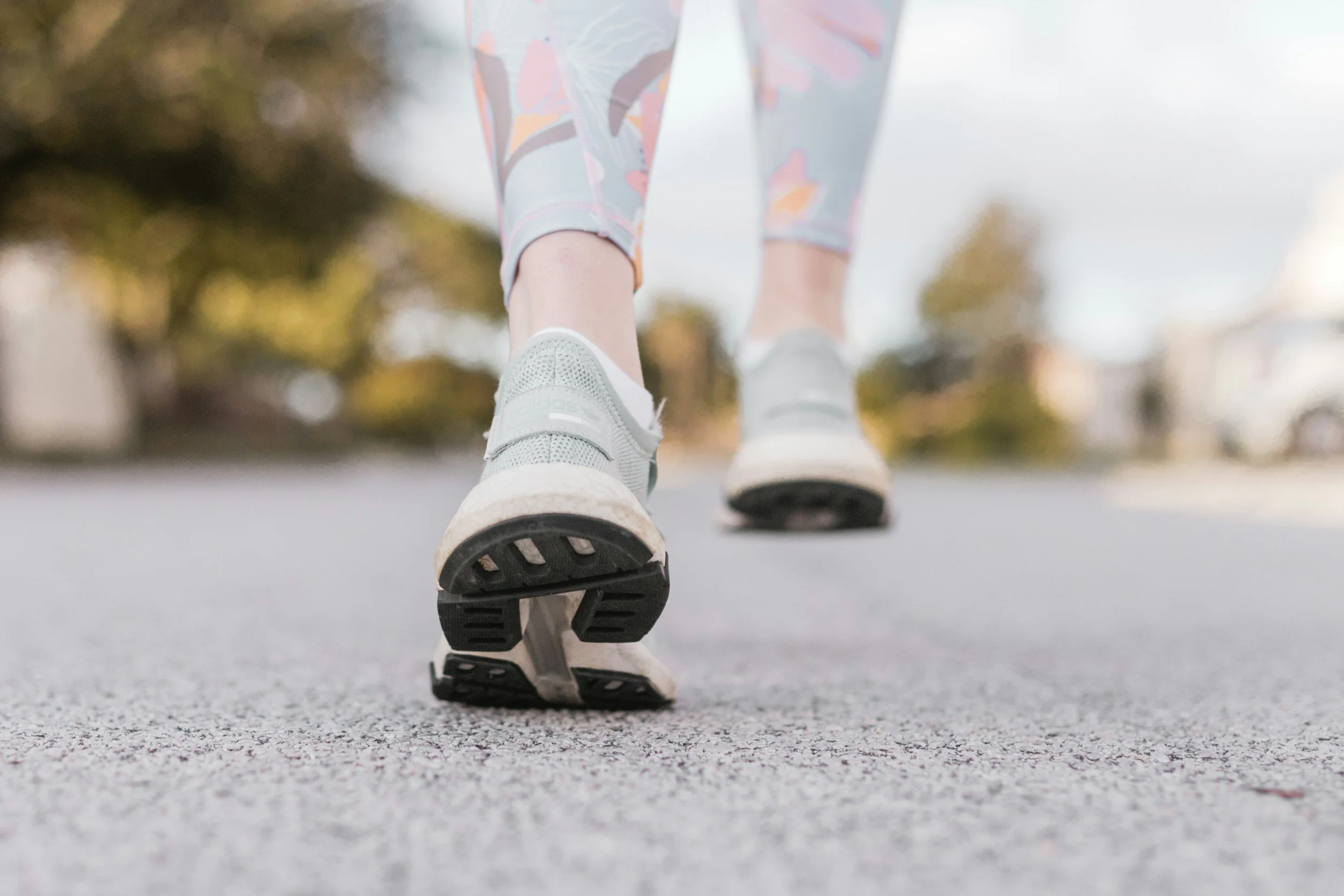
Knees carry a absurd amount of weight. Every single day, step after step; walking down the block, running for a bus, carrying heavy boxes up a flight of stairs. The pressure piles up. Cartilage wears thin over time. That rich, natural cushion inside the joint space starts thinning out, and suddenly every single morning begins with a stiff, heavy feeling in the lower body.
Most people think joint problems hit like a freight train out of nowhere. You wake up one day, turn forty or fifty, and boom; bad knees. That is almost never how it actually happens. Cartilage breaks down bit by bit over years. Microscopic scratches. Tiny alignment issues. Small mechanical imbalances that slowly multiply. Left unchecked, simple knee tightness turns into chronic discomfort that keeps you sitting on the sidelines. The good news; specific physical habits and modern therapies can slow down that wear pattern and bring back comfortable, fluid motion.
1. Get the Natural Lubricant Moving Through Daily Action
Joint cartilage is strange tissue. It has no direct blood supply. Zero. It cannot pull nutrients straight out of the bloodstream like a muscle does after a workout. Instead, it relies entirely on joint fluid to carry essential nutrients in and push metabolic waste out.
Movement acts like a mechanical pump for this liquid.
Sitting still at a desk for eight hours starves those cartilage cells. The joint sits bone-dry. Simple movement spreads natural lubricants across the cartilage surfaces like oil across an engine block. Daily range-of-motion routines maintain that fluid circulation without putting heavy, crushing loads on the joint cap.
Gentle leg swings: Simple forward and backward swings loosen up tight structures before you stand for long periods.
Seated ankle pumps: Flexing the feet and bending the knees while seated keeps fluid moving during a long workday.
Low-resistance pedaling: Spinning on an exercise bike provides smooth motion without heavy impact forces crushing the joint spaces.
2. Lighten the Load to Protect What Cushion You Have Left
Physics is brutal on the lower body. Every single extra pound you carry translates to roughly four extra pounds of direct pressure across your knee joints during a standard walk. Run down a flight of stairs? That multiplier shoots up even higher.
Reducing total body mass drops that mechanical burden instantly. Lower physical forces mean far less grinding friction between joint surfaces while you move around. Less friction keeps the remaining cartilage intact much longer.
Nutrition carries the heavy load here. Choosing whole foods lowers baseline body inflammation while making steady weight management far easier. Dropping even a little weight takes massive strain off the entire frame, letting the lower body move with far less friction.
3. Rebuild the Liquid Cushion Inside the Dry Joint
Sometimes physical movement isn't enough on its own. A joint can get too dry, too worn, too far along in its friction cycle. Age, past injuries, and constant wear reduce the natural concentration of hyaluronic acid inside the synovial fluid. When that protective gel thins out, raw surfaces start grinding together. That grinding triggers constant, annoying irritation.
Viscosupplementation targets this precise physical breakdown. Doctors inject liquid tissue replacements straight into the joint space to bring back that smooth sliding action. People looking into targeted options often choose to buy Supartz injections to help replenish that lost cushion and shield the cartilage from relentless friction.
Restoring that thick, protective fluid layer gives the joint a silky surface to glide on again during daily routines. The persistent ache drops off because the internal friction drops off. Mobility comes back simply because the joint isn't fighting against raw resistance anymore. Putting structural lubrication back where it belongs gives you a powerful defense against early physical wear.
4. Build Up the Muscle Armor Around the Frame
Knees do not work in total isolation. They sit right in the middle of a complex kinetic chain. Quadriceps, hamstrings, and gluteal muscles act as primary shock absorbers for your lower body. Weak muscles force the joint capsule itself to take the full brunt of every single footstrike.
Strong leg muscles keep the kneecap tracking in a straight line. They take the direct impact load off vulnerable cartilage surfaces during active days.
Straight leg raises build solid quad strength without bending the knee under heavy loads. Glute bridges protect the back line of the leg while keeping the pelvis stable. Wall sits teach endurance to the thigh muscles through steady, motionless effort.
5. Cut Out Inflammatory Foods to Keep Tissue Healthy
Cartilage breakdown happens much faster inside an inflamed internal environment. Highly processed snacks, refined sugars, and poor-quality cooking oils trigger internal signals that speed up tissue decay.
Anti-inflammatory nutrition protects tissue health from the inside out. Fatty fish packed with Omega-3s lower the chemical markers that cause morning joint tightness. Dark leafy greens and colorful veggies deliver antioxidants that protect cellular structures from ongoing stress.
Hydration plays a massive role that most people completely overlook. Cartilage consists mostly of water stored in a gel matrix. Chronic dehydration makes joint fluid thick, sticky, and useless at cushioning your steps. Drinking enough water every day keeps joint spaces properly hydrated, resilient, and ready to absorb normal daily impacts.
6. Pick Smooth Conditioning Over Heavy Impact Pounding
High-impact exercise like pounding pavement for miles puts intense mechanical stress on lower body joints. Doing that over and over again wears cartilage down quickly, especially if your body alignment is off even a fraction of an inch.
Switching over to low-impact conditioning keeps your heart and lungs strong while saving your joint surfaces from constant pounding. Swimming, rowing, and elliptical trainers deliver fantastic cardiovascular workouts without slamming your feet against hard surfaces.
Mixing up your movement routines prevents repetitive strain injuries on specific tissue angles. Changing workouts gives your body time to repair and rebuild between challenging sessions. Consistency matters far more than extreme intensity when long-term mobility is your ultimate target.
Moving Forward
Protecting your knees takes a sensible, rounded approach. Active movement, muscular strength, good food choices, and proper joint lubrication all work together to keep you moving freely. Small adjustments made today save your mobility for decades to come.
