
Full vs Partial Dentures: Which Option Fits Your Smile?
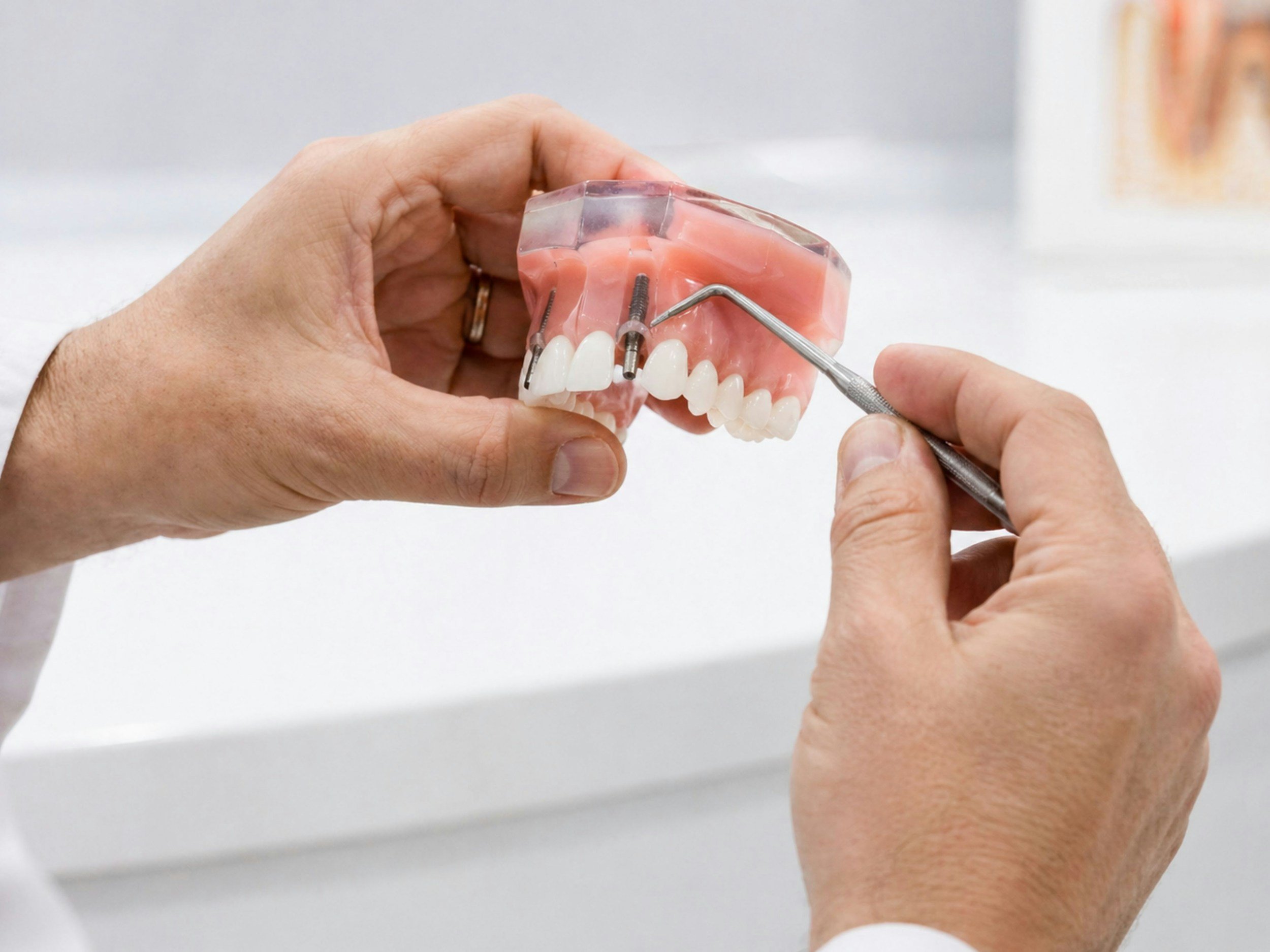
Tooth loss is far more common than most people admit. Federal health data collected between 2017 and early 2020 found that about 1 in 10 adults aged 65 to 74 had lost all of their natural teeth, rising to about 1 in 5 among those 75 and older. Many more are missing several teeth without having lost them all. For anyone comparing Full & Partial Dentures Tarzana dentists offer, the first question is surprisingly simple: how many healthy teeth do you still have? The answer shapes almost every decision that follows.
What Is the Basic Difference?
A full denture, also called a complete denture, replaces every tooth in the upper arch, the lower arch, or both. It rests on the gums and, for upper dentures, uses suction against the palate to stay in place.
A partial denture replaces only the missing teeth in an arch. It attaches to the remaining natural teeth, usually with small clasps, and fills the gaps so the bite works evenly again. Partial dentures are typically built on a thin metal framework or made from a flexible resin.
How Do the Main Options Compare?
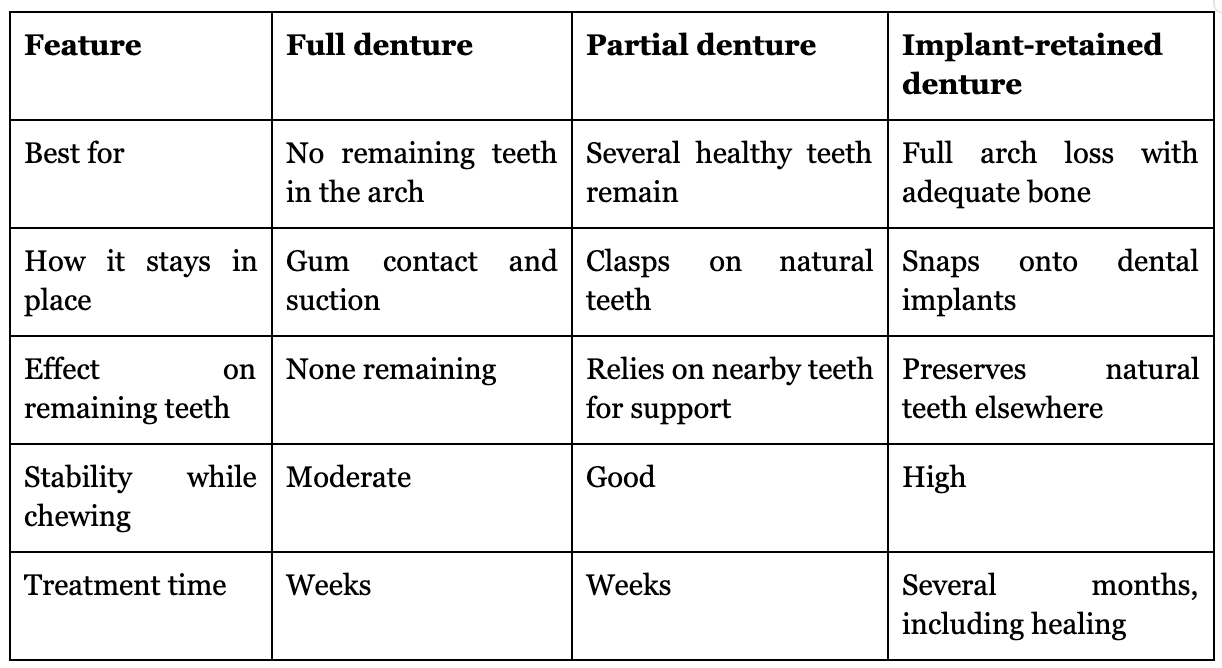
Every mouth is different, so this comparison is a starting point for a conversation with your dentist rather than a final answer.
When Does a Partial Denture Make More Sense?
If you still have healthy teeth in an arch, keeping them is usually worth the effort. Natural teeth help preserve the surrounding jawbone, support your bite, and anchor a partial denture firmly. A well-designed partial can restore chewing on both sides of the mouth and keep the remaining teeth from drifting into empty spaces.
The tradeoff is that partials depend on those anchor teeth. Plaque can collect around clasps, so meticulous brushing and regular checkups matter. Removing the partial every night to clean both the appliance and your natural teeth is part of the routine.
When Is a Full Denture the Right Choice?
A full denture becomes the practical option when the remaining teeth in an arch are too damaged, loose, or decayed to save. In some cases, teeth are extracted, and an immediate denture is placed the same day, so you never go without teeth. Because gums and bone change shape as they heal, immediate dentures usually need adjustments or relines in the following months.
Conventional full dentures are made after healing is complete, which typically allows a more precise fit from the start. Patients discussing Full & Partial Dentures Tarzana options should ask which timing suits their situation, especially if appearance during healing is a concern.
Where Do Implant-Retained Dentures Fit In?
Lower full dentures can be the hardest to keep stable, since there is no palate to create suction and the tongue moves constantly. An international consensus statement published in 2002 recommended a lower denture retained by two implants as a first-choice standard for patients with no lower teeth. The denture snaps onto the implants, which dramatically improves stability while eating and speaking.
Implants also stimulate the jawbone in a way traditional dentures cannot, which helps slow the bone loss that follows tooth extraction. They do require adequate bone, a minor surgical procedure, and a healing period before the final denture is attached.
What Should You Expect in the First Few Weeks?
New dentures of any type take time to get used to. Speech may sound slightly different at first, and chewing works best with small pieces of soft food until your mouth adapts. Sore spots are common and usually resolve with minor adjustments, so keep your follow-up appointments rather than putting up with discomfort.
Daily care is simple but important. Brush the denture with a soft brush and non-abrasive cleaner, soak it overnight as your dentist recommends, and handle it over a folded towel or sink of water to avoid breakage.
Frequently Asked Questions
How long do dentures last?
With good care and periodic relines, many dentures last around five to ten years before replacement is recommended, since the mouth continues to change shape.
Can I sleep with my dentures in?
Most dentists recommend removing them at night to let the gums rest and to keep the denture clean.
Will dentures change how I look?
Well-made dentures support the lips and cheeks, often restoring a fuller, more natural facial profile.
The Right Fit for Your Smile
The choice between full and partial dentures depends mostly on what remains: keep healthy natural teeth when you can, and consider implants when stability matters most. A careful exam, X-rays, and an honest conversation about your daily habits will point to the best option. If you are weighing Full & Partial Dentures Tarzana patients rely on, start with a consultation that reviews every option side by side. You can learn more about the practice and request an appointment at nzadehdmd.com to discuss what suits your smile. Make that call this month, bring your questions and take the first step toward eating and smiling with confidence again.
