
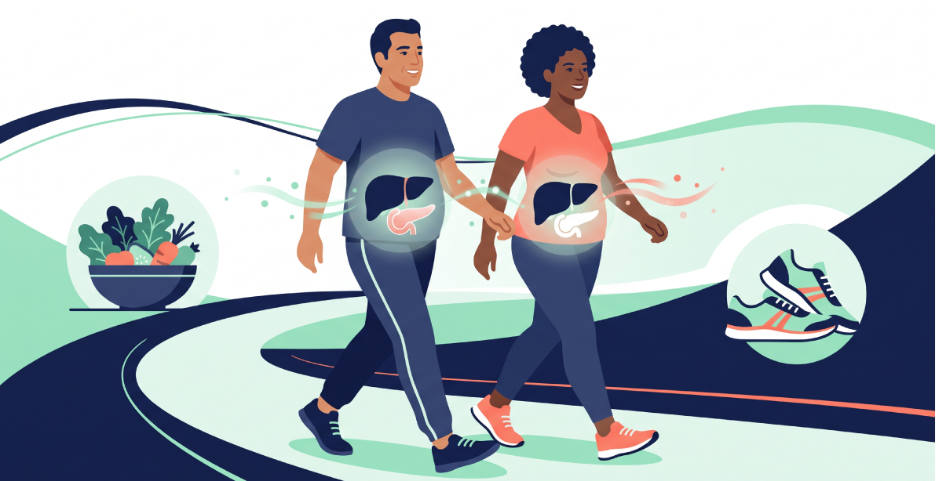
After you eat carbohydrates, your digestive system breaks them down into glucose, which your body quickly absorbs into the bloodstream. As a routine response, the pancreas releases insulin to direct glucose into your fat, muscle, and liver cells.
Insulin-sensitive cells run this process smoothly and efficiently. Unfortunately, insulin-resistant cells rarely respond effectively to this chemical signal. That forces your pancreas to work overtime, often producing more insulin to keep blood sugar within manageable levels.
If resistance continues for a long time, persistent blood sugar spikes can worsen it. This leads to visceral fat accumulation, leaves you fatigued, and creates a safe environment for type 2 diabetes or pre-diabetes to set in.
Managing insulin resistance requires more than eliminating certain food groups or adopting extreme diets. It usually relies on three dietary levers: increasing soluble fiber, managing glycemic load, and optimizing macronutrient ratios.
This article explores how these three concepts work to restore your body’s insulin sensitivity.
1. Glycemic Load
When you’re managing your blood sugar, you may have heard of the Glycemic Index (GI). It tells you how quickly different foods can raise your blood sugar compared to pure glucose.
It helps you gauge which foods are likely to spike your blood sugar, but there’s a catch: the GI looks only at the type of carbohydrate, not how much you eat. That means a high-GI food eaten in a small portion can have a much smaller effect, while a lower-GI food eaten in a large amount can have a bigger impact.
That’s why it’s important to consider Glycemic Load (GL), especially when choosing an insulin resistance diet. Glycemic Load considers both the quality and quantity of carbohydrates in a typical serving, giving you a more realistic idea of how a food will affect your blood sugar levels.
Understanding Glycemic Load is especially important if you have insulin resistance. Eating high-GL foods can cause your blood sugar to spike quickly, so your body needs to make more insulin.
If your cells don’t respond well to insulin, this can make things worse over time. But if you stick to low-GL foods, your blood sugar will rise more slowly, your body won’t need as much insulin, and your cells can become more sensitive again.
2. Soluble Fiber
Many people rarely think of fiber when managing insulin resistance. This crucial dietary element for insulin resistance is a type of carbohydrate. The human body cannot convert it into glucose, so it moves through the digestive system whole.
Fibers are either soluble or insoluble, but soluble fibers can help restore insulin sensitivity and smooth out blood sugar spikes. Soluble fiber has many qualities that make it suitable for controlling blood sugar.
It dissolves in water, forming a gel-like substance in your stomach and intestines. This substance helps slow stomach emptying and carb absorption. As a result, glucose enters the bloodstream more slowly, minimizing after-meal sugar spikes.
Soluble fiber also binds to fats and cholesterol in your digestive tract, helping your body eliminate them. This reduces inflammation and keeps fat from building up in places like your liver. In the large intestine, your gut bacteria use soluble fiber as food and turn it into short-chain fatty acids. These molecules usually calm inflammation and improve insulin sensitivity.
To get more soluble fiber, reach for foods like oats, barley, chia seeds, flaxseeds, lentils, black beans, chickpeas, Brussels sprouts, avocados, and apples. Aim for 30 to 40 grams of total fiber a day, making sure a good chunk of it comes from soluble sources. Adding these foods to your routine can help keep your blood sugar steady and support your body as it works to regain insulin sensitivity.
3. Macronutrient Ratios
Managing sugar or insulin resistance is more than just counting carbs. It is usually about balancing carbs, protein, and fat on your plate. Carbohydrates drive blood sugar spikes and insulin triggers, but other nutrients can help control the effect. Carbs alone can trigger blood sugar spikes, but pairing them with healthy fats and protein slows digestion and leads to a steadier blood sugar response.
Although there is no perfect way to balance your dietary intake when managing insulin, choose the highest-quality carbohydrates. Berries, veggies, whole grains, and low-starch beans are effective. You want to spread these throughout the day to avoid overloading your system.
For protein, aim for 25% to 35% of your calories. Protein doesn’t spike insulin much and helps you feel full while maintaining healthy muscle. Good choices are lean meats, fish, eggs, tofu, and Greek yogurt. Healthy fats should make up the rest—about 35% to 45% of your calories. The best options are olive oil, nuts, seeds, avocados, and fatty fish.
Also remember that the order in which you eat affects blood sugar. Starting your meal with non-starchy vegetables, protein, and healthy fats helps your body digest food more slowly, so your blood sugar won’t spike after meals.
Wrapping Up
Struggling with blood sugar swings and the daily challenge of insulin resistance can feel overwhelming. The fatigue, cravings, and frustration are real, but you’re not alone in this battle. Understanding how each meal affects you is the first step toward reclaiming your health.
Consistent dietary shifts can help move your health in the right direction. Prioritize whole foods, watch your portion sizes, and add plenty of fiber-rich vegetables to your meals. Gradual, sustainable dietary changes help your body regain its natural balance and improve insulin sensitivity over time.
