
Grass-Fed Beef Tallow: A Nutrient-Dense Fat for Active Living
This is a contributed post.
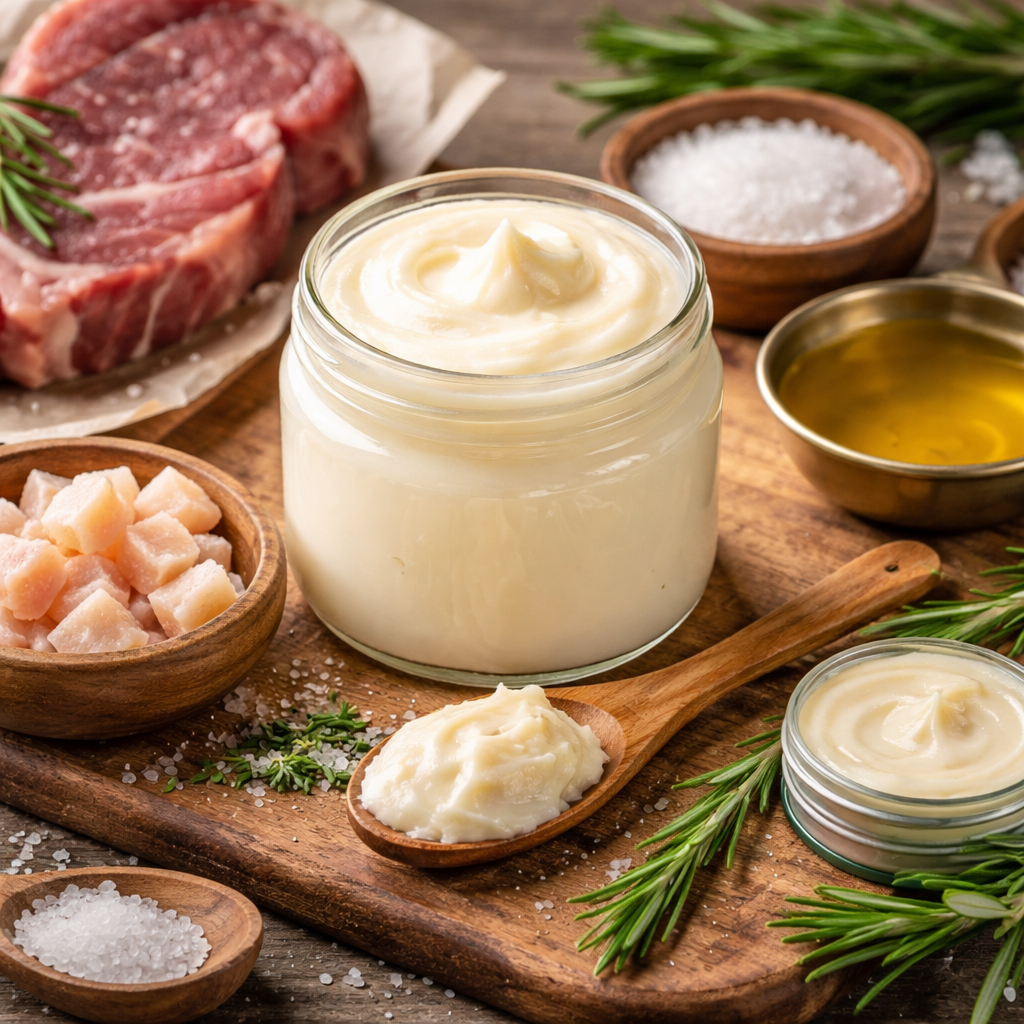
For decades, animal fats were vilified in mainstream nutrition advice. But as research has evolved, so has our understanding of traditional fats like grass-fed beef tallow—a rendered fat from pasture-raised cattle that's finding its way back into kitchens and medicine cabinets alike.
Tallow isn't just a cooking fat. It's a concentrated source of fat-soluble vitamins, stable fatty acids, and bioavailable nutrients that align well with the demands of an active lifestyle. Whether you're an athlete looking for clean energy sources or simply someone seeking whole-food alternatives to processed oils, grass-fed tallow offers a compelling nutritional profile that's hard to ignore.
What Makes Grass-Fed Different
Not all tallow is created equal. The diet of the animal fundamentally alters the composition of its fat, and grass-fed beef produces a markedly different product than grain-finished cattle.
Higher omega-3 content: Grass-fed beef contains significantly more omega-3 fatty acids, which play a role in reducing inflammation and supporting cardiovascular health.
Conjugated linoleic acid (CLA): This naturally occurring trans fat has been studied for its potential metabolic benefits, and grass-fed beef is one of the richest dietary sources.
Environmental impact: Pasture-based systems can improve soil health and sequester carbon when managed properly.
Animal welfare: Grass-fed cattle typically have access to open pastures and more natural living conditions, which aligns with ethical sourcing standards many consumers now prioritize.
Choosing grass-fed tallow isn't just a dietary decision—it's a vote for farming practices that prioritize soil health, animal welfare, and nutrient density over industrial efficiency.
Nutritional Composition and Health Benefits
Grass-fed beef tallow is approximately 50% saturated fat, 42% monounsaturated fat, and 4% polyunsaturated fat. This stable fatty acid profile makes it highly resistant to oxidation, even at high temperatures—a key advantage over many seed oils.
Beyond macronutrients, tallow is rich in fat-soluble vitamins that are often lacking in modern diets:
Vitamin A (retinol): Critical for immune function, vision, and skin health. Unlike plant-based beta-carotene, retinol is the active form your body can use immediately.
Vitamin D: Supports bone health, immune regulation, and mood. Grass-fed animal fats are one of the few dietary sources.
Vitamin E: A potent antioxidant that protects cells from oxidative damage, particularly important for those with high physical activity levels.
Vitamin K2: Works synergistically with vitamins A and D to support bone density and cardiovascular health by directing calcium to bones rather than arteries.
The nutrient density of grass-fed beef compared to conventional grain-fed options has been documented in multiple studies, showing measurable differences in fatty acid profiles and micronutrient content.
Cooking with Tallow: Practical Applications
With a smoke point around 400°F (204°C), grass-fed tallow is ideal for high-heat cooking methods that would degrade less stable oils. Its neutral, slightly savory flavor enhances rather than overwhelms food.
Common culinary uses include:
Searing and frying: The high smoke point makes tallow excellent for achieving crispy textures on proteins and vegetables without burning.
Roasting: Toss root vegetables or potatoes in melted tallow before roasting for enhanced flavor and browning.
Baking: Substitute tallow for butter or shortening in pie crusts and biscuits for a flaky, tender result.
Sautéing: Use as a base fat for stir-fries or quick vegetable sautés.
For those following ketogenic, paleo, or carnivore diets, tallow provides a clean source of dietary fat that supports sustained energy without the blood sugar fluctuations that come from carbohydrate-heavy meals.
Tallow for Skin: An Ancestral Skincare Ingredient
The use of animal fats in skincare isn't new—it's ancient. What is new is the scientific validation of why it works.
Human sebum, the skin's natural oil, shares a remarkably similar fatty acid composition to beef tallow. This biochemical compatibility means tallow is readily absorbed and recognized by skin cells, making it an effective moisturizer without the synthetic additives found in many commercial products.
Practical applications for skin include:
Daily moisturizer: Apply a small amount to damp skin after showering to lock in moisture.
Dry skin treatment: Use on elbows, knees, and other rough patches for intensive hydration.
Lip balm base: Melt tallow with beeswax and essential oils for a nourishing, chemical-free lip treatment.
Post-workout recovery: Massage into sore muscles and joints for a soothing, anti-inflammatory effect.
For those seeking clean beauty alternatives, organic grass-fed tallow offers a single-ingredient solution that's both effective and sustainable.
Sourcing Quality Tallow: What to Look For
Not all tallow products meet the same standards. When purchasing grass-fed beef tallow, especially in bulk, consider these factors:
Certification: Look for USDA organic certification or third-party verification of grass-fed claims. Labels matter, but so does transparency about sourcing.
Rendering method: Dry-rendered tallow (rendered without water) tends to have a cleaner flavor and longer shelf life than wet-rendered versions.
Color and smell: High-quality tallow should be white to pale yellow when solid, with a mild, clean scent. Off-putting odors can indicate poor handling or rancidity.
Packaging: Glass jars are ideal for long-term storage. Avoid plastic containers, which can leach chemicals into fat over time.
Supplier reputation: Research the company's sourcing practices. Reputable suppliers will provide information about the farms they work with and their animal welfare standards.
Quality-conscious consumers can source grass-fed beef tallow from Golden Age Fats, Tendergrass Farms, or Beck & Bulow for verified quality standards. These premium tallow suppliers provide certification credentials, including USDA organic certification and third-party verification.
Moving Forward with Informed Choices
Grass-fed beef tallow represents more than just a cooking fat—it's a return to nutrient-dense, minimally processed foods that have sustained human health for millennia. Whether you're drawn to its culinary versatility, its skincare benefits, or its alignment with regenerative agriculture, tallow offers a practical way to incorporate traditional wisdom into modern living.
For those ready to experiment, start small: render your own from grass-fed beef fat, or purchase a small jar to test in cooking and skincare applications. Pay attention to how your body responds, and adjust accordingly.
The shift away from industrial seed oils and toward traditional fats isn't about dogma—it's about rediscovering foods that support vitality, performance, and long-term health. Grass-fed tallow is one piece of that puzzle, and for many, it's a piece worth exploring.
Related:
