
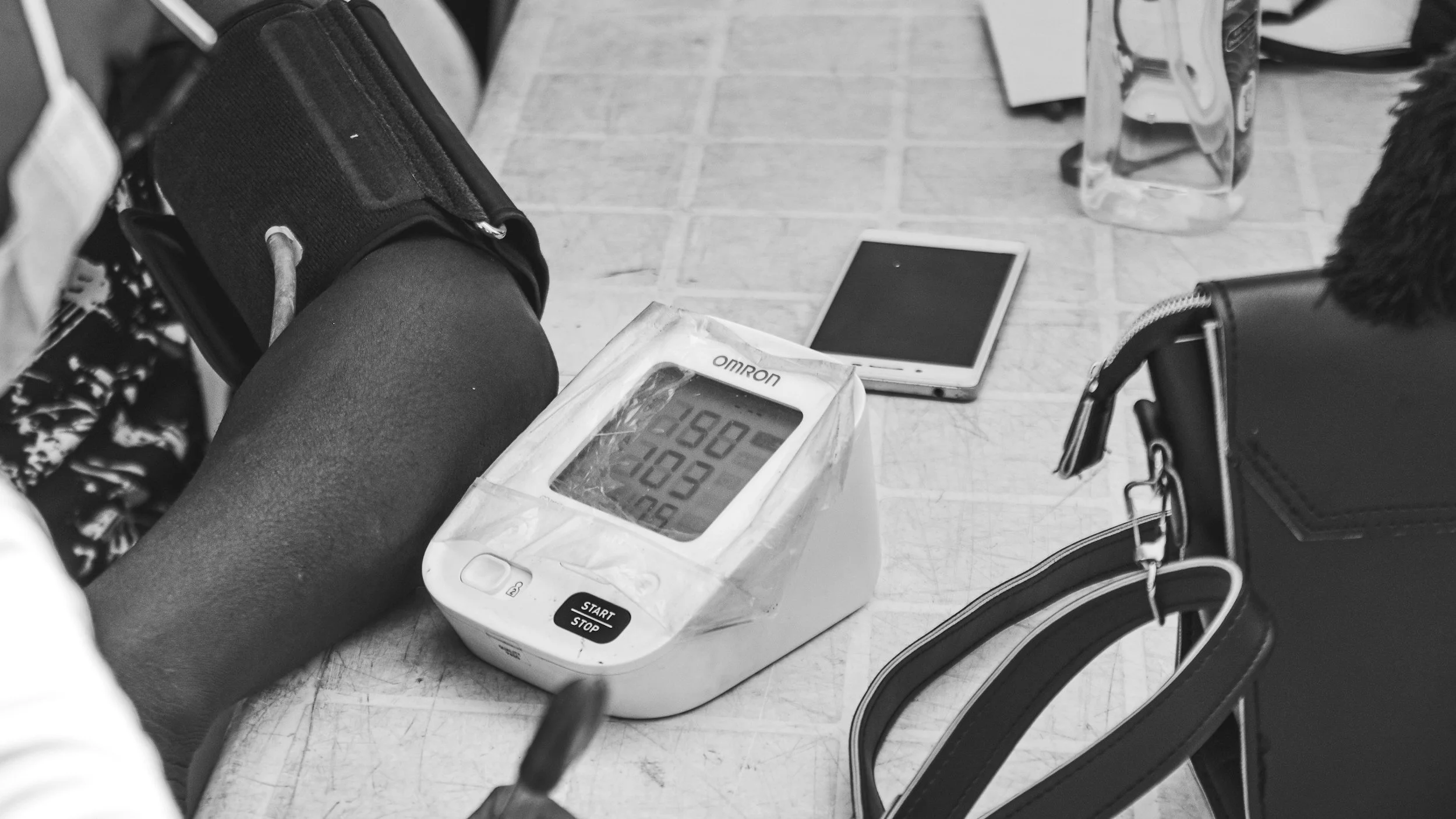
High blood pressure often causes no noticeable symptoms, so checking it is the reliable way to know whether it needs attention. Managing it involves accurate measurements, appropriate treatment, and daily habits that support cardiovascular health. For people discussing blood pressure management at an Advanced Heart Failure Clinic, a useful starting point is understanding their readings alongside diabetes, cholesterol, family history, and existing medicines.
Between working, studying, and running the household, it may seem that as long as you are feeling well, you are well. But blood pressure says what else is going on. Even if you have the strength to get through a hectic day, your BP numbers could still be higher than they should be.
WHO says in 2024, 1.4 billion adults aged 30-79 years had high blood pressure - more than one-third of the world's population in that age group. Nearly half (44%) of adults with high blood pressure were unaware they had this condition. Only a quarter (23%) had their high blood pressure under control.
If your readings are repeatedly high, seek medical advice about the next steps. An Interventional Cardiologist can assess your blood pressure and discuss appropriate management. Bring recent readings, relevant reports, and a list of your medicines so the assessment considers your overall health alongside your blood pressure measurements.
Understand What Your Numbers Mean
Blood pressure is given in two numbers. The top figure is the systolic pressure created when your heart contracts, and the bottom figure is the pressure when the heart muscle relaxes after each beat.
Some types of blood pressure levels a person has are based on the standards of the organization doing the assessment. For example, the WHO states that this is when blood pressure is equal to or greater than 140/90 mm Hg, however, for the American Heart Association, hypertension stage 1 is stage 1 to 130 systolic or 80 diastolic. Your doctor can give you more information on this.
One reading doesn't mean you've been diagnosed with high blood pressure. Having some history of readings can provide your doctor with more insight.
Make Home Measurements Worth Recording
Immediate measurement after staircase sprinting, coffee consumption, and mobile phone call in an extremely stressed condition will affect the accuracy of the measurement. You need to do it correctly.
Not all clinics have arm blood pressure monitors, however, American Heart Association suggests using validated automatic device with appropriate size of the cuff. Bring the device to the visit and let your health care provider compare it with his/her device.
For accurate measurement:
Do not smoke, consume coffee, and exercise 30 minutes before the measurement.
Go to the bathroom and relax for five or more minutes.
During blood pressure measurement put the cuff on bare skin and hold your arm at heart level.
Do not talk with the driver and use the telephone.
Do two measurements one minute apart.
Discuss the procedure of measurement with your doctor or nurse. Integration of measuring into daily routine may help you to keep track of measuring, however, you do not need to measure your blood pressure throughout the day.
Look Beyond the Salt You Add at the Table
Decreasing the amount of salt is not just about putting away the salt shaker. Snack foods, pickles, sauces, instant meals, and prepared meals may contain sodium too.
WHO suggests that adults should eat fewer than 2,000 mg of sodium every day, which means less than 5 grams of salt per day. This amount includes the amount of salt in the food itself and not only added to it.
It is better to begin from the foods that your family regularly consumes. Compare the amount of sodium in similar products, use smaller portions of condiments with high salt content, and substitute some snack foods with foods that have less salt in them. Some repeating changes will be easier to follow than the complete renovation of your kitchen.
An eating style recommended by the US National Heart, Lung, and Blood Institute – DASH eating plan – suggests eating many vegetables, fruits, whole grains, beans, nuts, and dairy products with low fat content.
Build Movement Into Family Life
Not necessarily will the plan have to begin with a gym subscription. Simply walking around in the class where your child is involved, having an active lunchtime or even walking in the evenings can make a huge difference.
As WHO suggests, one needs to spend at least 150 minutes of doing moderate intensity physical activity per week, or 75 minutes of vigorous intensity physical activity per week. Your minimal physical activity level should be determined by your health condition, symptoms and possible illnesses. In case you already have any heart diseases, or feel symptoms during exercising, talk to your physician to determine an appropriate program for physical activities.
Keep your plan achievable. It is much more beneficial to follow an achievable plan of workouts per week than an unachievable one.
Feeling Better Is Not a Reason to Stop Medicine
The condition can be normal, so you are not able to say you are improving based on experience. Additionally, a lower numbers may not mean that your condition is worsening.
Do not ever go slow or reduce the dose of your medicine with out your medical doctor's advice. Should you experience side effects, do not ever leave your medicine, rather consult your medical doctor to change your medicine.
OTC cough remedies, cold medicines, vitamins: Some medications can influence your blood pressure level. Speak with your pharmacist or clinician before buying any product to treat colds, pain, or anything else.
Know When a Reading Needs Urgent Attention
If you are a grownup and your BP readings exceed 180 over systolic or 120 over diastolic readings, it is important that it is addressed immediately. If there are no signs of worry at all, relax for a moment and measure your BP again. If your BP remains high, consult a physician immediately.
Having chest pain, difficulty breathing, weakness, numbness, vision problems, speech difficulties in addition to high BP means having an emergency on hands. Please call an ambulance immediately without waiting for your BP to lower itself. You should have yourself examined immediately.
In order to take care of yourself during normal days, make sure that every office visit starts with your objective, frequency of taking BP reading and coming back time. A plan of actions will help ease the process of taking care of your BP from yourself in addition to managing your house affairs.
