
The Home Gym Math Nobody Runs Before Buying
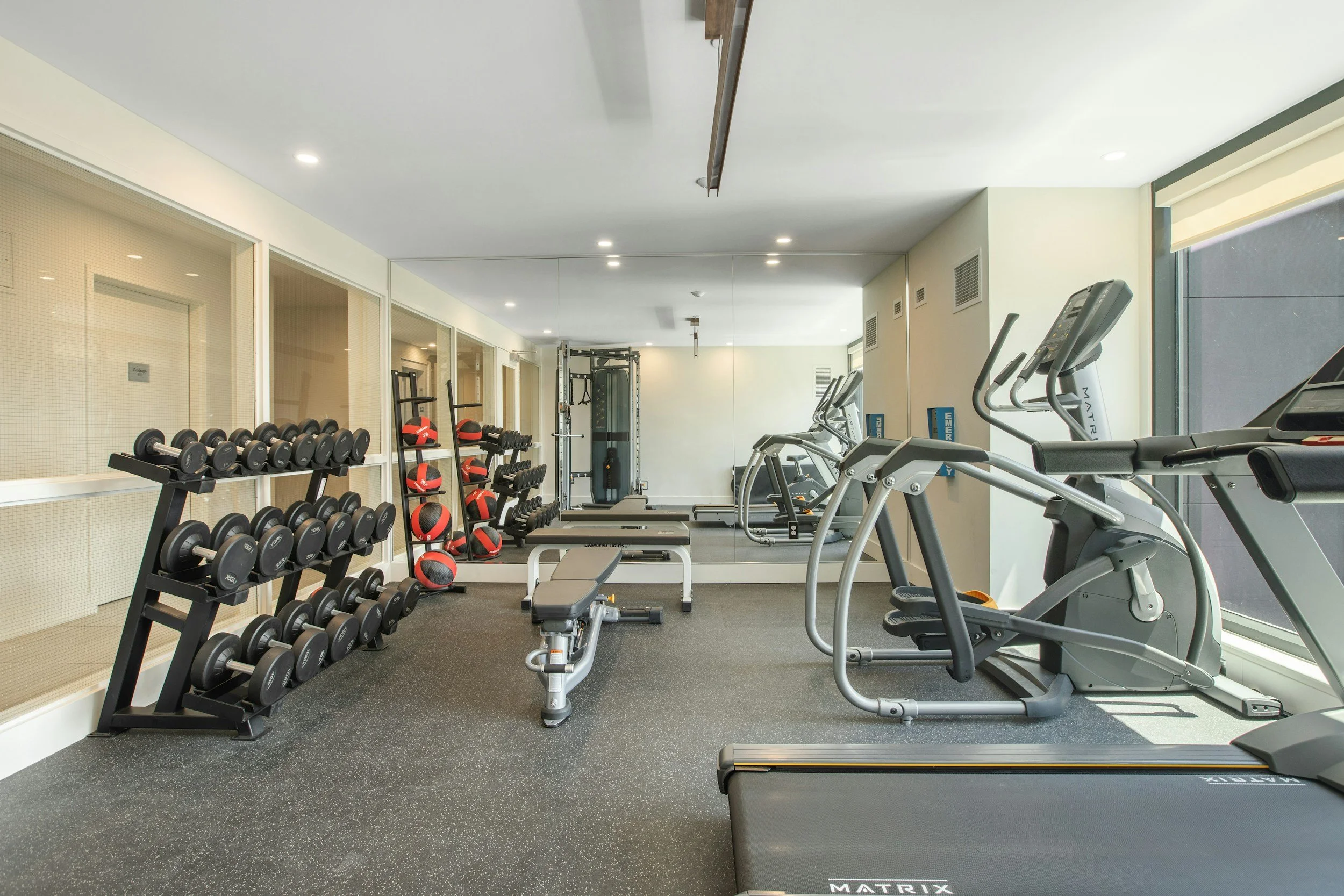
The pitch for a home gym is that it pays for itself. A family membership runs a few thousand dollars over three years, a rack and a bar are a one-time cost, and the equipment does not close at nine on a Sunday.
The pitch is basically right. What sinks it is the order people buy in. Almost everyone starts with the expensive centrepiece and discovers eighteen months later that the thing they actually use is the $40 item they bought last.
Here is the sequence that works, and where buying used or open-box is smart versus where it is a bad idea.
Buy in the order you will actually use it
First: floor and space. Rubber mats or horse-stall matting. Unglamorous, cheap, and the constraint everything else sits on. A basement floor that cannot take a dropped dumbbell limits every subsequent purchase.
Second: adjustable dumbbells or a kettlebell pair. This is where the training actually happens for most people for the first year. Fixed-weight cast iron is close to indestructible and holds value; buying it used is the most obviously correct decision in the category.
Third: a bench. Adjustable, with a stable frame. Test the pop-pin mechanism and look at the weld seams, not the upholstery.
Fourth, and only if you are genuinely barbell training: rack and bar. This is the big number, and it is the one that most often ends up holding laundry.
Last: cardio. A treadmill or bike bought at step one becomes an expensive coat rack. Bought at step five, after a year of consistent training, it gets used.
What is safe to buy used or open-box
The rule is simple: the more mechanical and the fewer the failure modes, the safer the discount.
Cast iron and rubber-coated weights, kettlebells, dumbbells. Effectively cannot degrade. Inspect for cracks in the coating and buy on price.
Benches, racks, plate trees, storage. Check welds and pins. Steel either bent or it did not, and you can see which.
Bands, mats, foam rollers, jump ropes. Cosmetic wear only. Bands are the exception — check for nicks, because they fail suddenly.
Rowers and air bikes. Mechanically simple, and the wear points — chain, seat rail, damper — are visible and serviceable.
Open-box anything. A carton opened by a customer who changed their mind is a packaging status, not a defect. This is where the discount is largest relative to actual risk, and the graded open-box fitness equipment channel exists precisely because bulky home-gym items get returned at high rates — they are heavy to ship back, so retailers reprice rather than restock them.
What to be careful with
Treadmills. The motor is the whole product and its history is invisible. If you buy one used, insist on running it at speed for ten minutes before paying, and listen for the belt.
Cable machines and anything with a weight stack on guide rods. Cables fray from the inside. Budget a cable replacement into any used purchase.
Suspension trainers and anything load-bearing overhead. Anchor hardware and webbing carry your whole body weight. Buy the strap new; the frame can be used.
Smart equipment tied to a subscription. Confirm the account can be transferred before buying, not after. A locked console is a very heavy paperweight.
The two checks that matter more than the price
Read the condition grade and the missing-parts line. Home gym equipment is where "complete" matters most, because a bench without its pop-pin or a rack without its safety arms is not a discount, it is a project. Good listings name what is absent.
Check the return window. Thirty days of returns and free exchanges is what makes buying a graded bench sensible — you can load it, use it for two weeks, and reverse the decision if something flexes wrong. On heavy equipment that matters more than on almost anything else, because the failure mode is not disappointment.
The bottom line
The home gym that gets used is built in the order of what you will actually pick up, not in the order of what looks like a gym. Buy the floor, the weights and the bench used or open-box — the discount there is close to free money — and save the caution for motors, cables and anything holding you off the ground.
