
How a Direct Primary Care Model Gives Patients Longer Visits
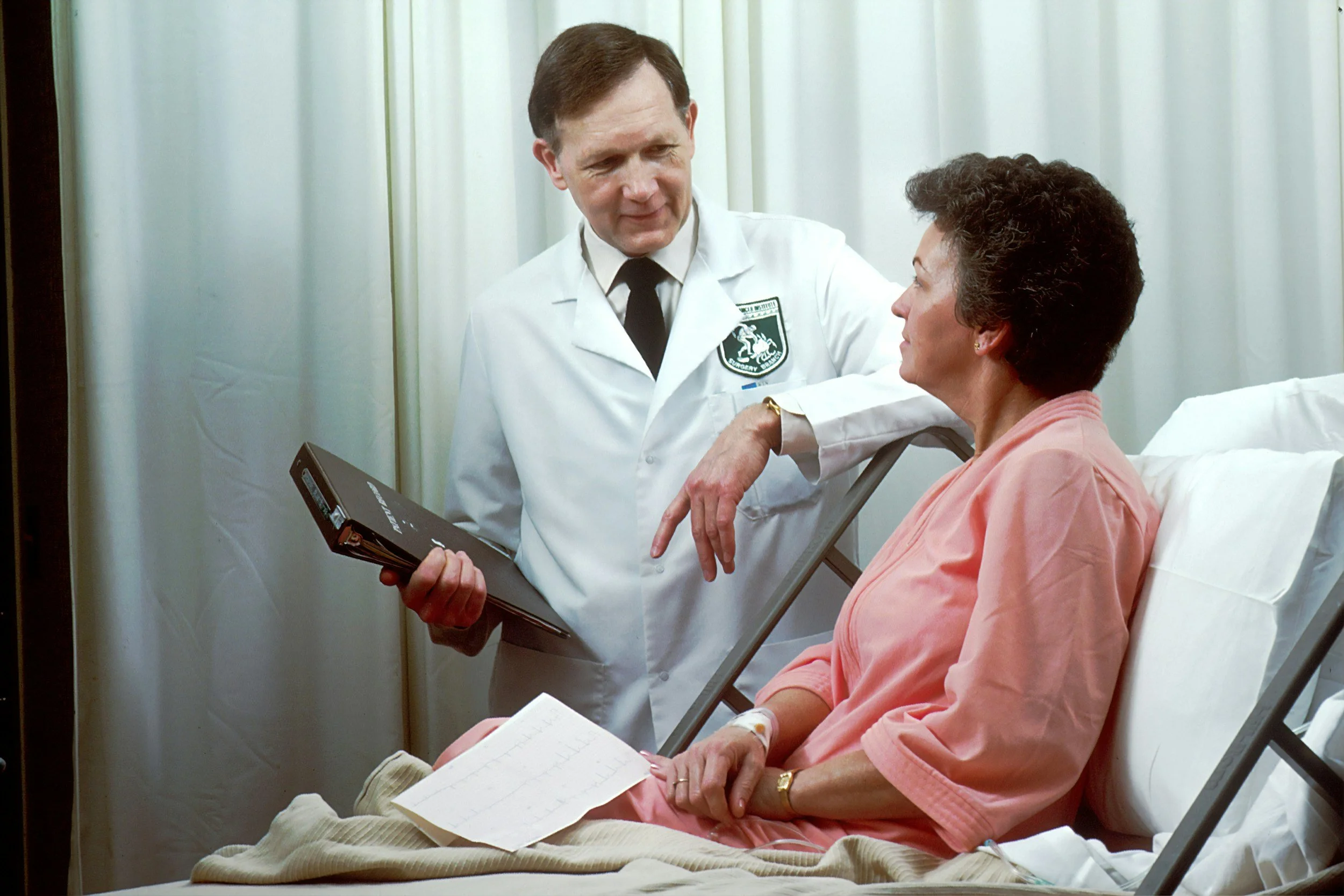
Many medical appointments end before patients have fully explained what brought them in. Direct primary care addresses that problem by giving physicians greater control over scheduling, patient volume, and visit length. A membership-based arrangement reduces dependence on insurance billing and high daily quotas. The result is more time for careful listening, physical assessment, treatment planning, and questions. Patients receive care built around their health concerns, rather than a timetable shaped by administrative demands.
More Time for Each Patient
Appointment length affects the quality of clinical information. Patients seeking primary care doctors in Madison, WI, may prefer visits that leave room for symptoms, medication effects, family history, and daily routines. That added time lets a clinician identify details that a rushed encounter may miss. People can explain concerns fully, while the physician discusses findings, options, and next steps without interrupting the conversation.
Fewer Billing Pressures
Insurance-based practices must manage claims, coding requirements, prior authorizations, and documentation standards. Those obligations consume hours that could otherwise support direct patient care. Direct primary care replaces routine claim submission with a monthly membership fee. Fewer billing tasks give physicians more flexibility when building appointment schedules. Patients benefit because the medical discussion, rather than payment documentation, remains the main focus.
Smaller Patient Panels
A smaller patient panel helps a physician recognize personal health patterns over time. Changes in weight, sleep, mood, blood pressure, or medication response become easier to place in context. Familiar records also reduce the need for patients to repeat their history during every visit. That continuity strengthens clinical judgment and helps the care plan reflect the individual, not just the diagnosis.
Longer Visits Improve Communication
Good communication requires more than delivering instructions. Patients may need time to describe side effects, explain treatment barriers, or ask about a new symptom. Clinicians can use longer appointments to clarify information and confirm comprehension. Teach-back, where a patient restates the plan, can reveal confusion before the person leaves. This approach supports safer medication use, follow-up, and home monitoring.
Prevention Gets More Attention
Preventive care is easy to postpone when an appointment focuses on one immediate complaint. Additional visit time allows discussion of immunizations, cancer screening, sleep, nutrition, exercise, and family risk factors. A physician may also review blood pressure, blood glucose, tobacco exposure, or signs of depression. These conversations help identify preventable threats before they produce lasting damage or require intensive treatment.
Chronic Conditions Need Ongoing Focus
Diabetes, asthma, hypertension, and thyroid disorders require regular assessment, not occasional attention after symptoms worsen. A longer appointment allows time to review laboratory results, medication adherence, side effects, diet, activity, and related conditions. Patients can describe practical difficulties that may not appear in a chart. Physicians then have better information to adjust treatment and set measurable goals.
Same-Day Help Can Reduce Delays
Some direct primary care practices provide same-day appointments for urgent concerns. Early assessment may prevent a minor infection, medication reaction, or worsening symptom from becoming more serious. A familiar clinician can examine the patient, order appropriate testing, and determine whether specialty or emergency care is necessary. That access may reduce reliance on crowded urgent care centers for problems suitable for primary care.
House Calls and Remote Contact
Phone calls, secure messages, and house visits can extend medical support beyond the office. These options are useful for patients with mobility limitations, transportation problems, or questions after a recent appointment. Remote contact does not replace an examination when one is necessary. It does help the physician decide whether symptoms require immediate evaluation, routine follow-up, or simple monitoring at home.
Transparent Membership Costs
A monthly fee can make routine primary care expenses easier to anticipate. Membership services may include office visits, preventive appointments, phone consultations, messaging, and selected in-office procedures. Patients can review charges before receiving care, which limits unexpected bills. Some practices also arrange lower prices for laboratory testing, imaging, or prescriptions. Clear pricing supports practical household budgeting and informed choices.
A Better Patient-Physician Relationship
Trust develops when patients feel heard and physicians understand the circumstances affecting health. Longer conversations may encourage people to mention sensitive symptoms, missed doses, stress, or concerns about treatment. Honest information improves clinical decisions. Over time, regular contact creates a dependable partnership. Patients become more comfortable seeking guidance early, while physicians gain feedback about whether recommendations work in daily life.
Conclusion
Direct primary care makes longer-term visits possible by changing how practices organize time, payment, and patient volume. Smaller panels and fewer insurance demands allow physicians to listen carefully, assess conditions, and explain treatment without constant time pressure. Patients gain more room to discuss prevention, chronic disease, medication concerns, and new symptoms. For households seeking accessible medical guidance, this approach offers a practical care relationship grounded in continuity, communication, and direct physician attention.
