
How a Personal Trainer for Seniors Supports Healthy Ageing

Growing older means dealing with bodily changes, and the elderly might sometimes find that ordinary movement has become challenging. Climbing stairs can require extraordinary effort, and this can sometimes mean that people may give up doing the hobbies that they’ve previously enjoyed. Fortunately, an exercise programme that focuses on their needs can help them become more independent and continue doing what they want.
Most older adults know that they need to be physically active, but it’s just so hard to find a routine that won’t push them beyond their limits. Many of them haven’t even seen a gym in decades, and their stiff joints can make standard workouts unsuitable for them. Fortunately, an experienced personal trainer for seniors will help them become strong again, so they’ll be able to carry their shopping bags without struggling. See their location below:
What are the Benefits of Personal Training?
Have Strength That Supports Everyday Activities
Functional strength means being able to do physical activities that are needed for various tasks. Strong legs can help the elderly use the stairs without difficulty, and improved strength can enable them to complete household chores without assistance.
These benefits can be achieved through resistance exercises where a beginner can start with a controlled chair squat and gradually progress to light weights to gradually strengthen the muscles without placing unneeded strain on the body.
Training regularly can also help address the natural decline in muscle mass that can happen as one gets older. Adults can lose muscle mass when they become less active, so their once-simple responsibilities can become demanding. On the other hand, a thoughtfully structured routine can encourage the body to retain useful tissue, and this can support independence over time.
How to Improve Balance?
Falls are a serious concern for ageing adults because of many factors like reduced leg strength. If one adds poor balance into the mix, even the regular household obstacles can become hazardous. The fear of falling itself can make older people move less, and this can gradually contribute to their weakness. See more info about falls when visiting this page.
An excellent balance exercise can help participants become more aware of their posture, and this kind of training can support controlled settings. It can strengthen one’s hips, and many coaches can allow each exercise to be practised within a safe environment.
Good stability can also influence more than just gym performance, and it helps someone feel more secure while walking through a garden. They can have renewed confidence to move around the unfamiliar surroundings and participate more fully in recreational activities.
How to Work Around Existing Limitations
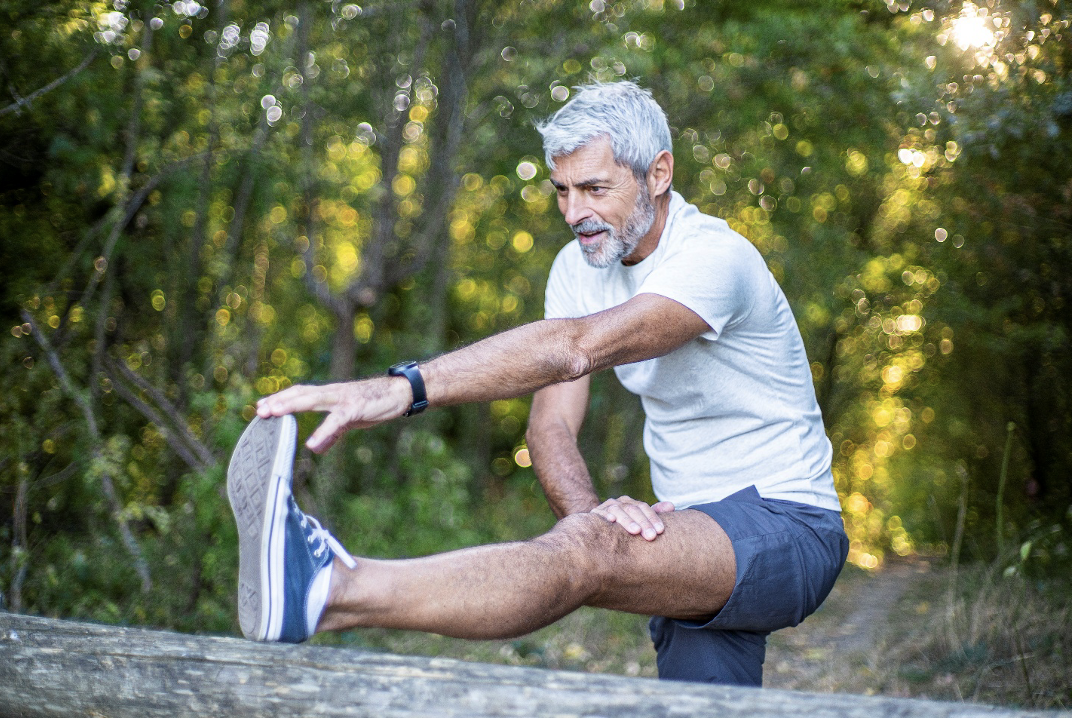
Older clients can have individual concerns, and they should be taken seriously. One may have a sensitive knee while the other can experience stiffness, especially in their lower back. Others may be returning to activity after surgery, and the appropriate programme often starts with a thorough assessment.
A good coach aims to understand their client’s medical history to create a safer training programme, and they also take their personal objectives into consideration. They can get information from their clients’ physiotherapists because the data can heavily influence the choice of activities that they can do while accommodating any physical limitations that they may have.
They can also change their range of motion depending on their current health or lower their resistance training. These sessions can be modified when the participants feel tired, and this kind of personalisation makes sure that they’re getting realistic progress instead of forcing their body to meet an unsuitable standard.
A Private Setting Can Reduce Anxiety
Older adults don’t generally go to large fitness centres that have lots of equipment that they’re unfamiliar with. The fear of being watched and tinkering with complicated machines can discourage someone from asking for help, and this uneasiness can become a significant obstacle before training starts.
A private coach removes many of these pressures, and the client can learn at a more comfortable pace without comparing themselves to other experienced gym members, and they’re not left wondering whether what they’re doing is correct.
Consistency Matters More Than Intensity
Also, know that older adults shouldn’t expect the changes to happen overnight. They need to be consistent with their planned sessions because this allows the body to be able to adapt gradually. Even the small improvements can accumulate until the tasks that once felt challenging can become noticeably easier.
Many people may start completing a supported squat, then eventually, they find that standing on a chair will no longer require assistance. Another measure of progress can mean moving with greater control on stairs, and this can bring them confidence that they can do a lot in their lives. Recovery is also important, and good coaches know this. Hydration (https://www.nih.gov/news-events/nih-research-matters/link-between-hydration-aging) can support the overall well-being of many older adults, and a good programme considers the individual’s needs first.
How to Support a Healthy Body Composition Afterwards?
Many appreciate the movements that they’re getting from a coach, although they may quickly realise that carrying excess weight can make movements more tiring. However, extreme diets are not sustainable, and they need to find an expert who can combine a manageable exercise routine with a realistic eating habit. Instead of eliminating everything that they enjoy eating, the participants can learn better how they can portion their meal choices so they don’t gain excess weight.
