
How Eyelid Surgery Can Refresh Your Appearance Without Major Changes
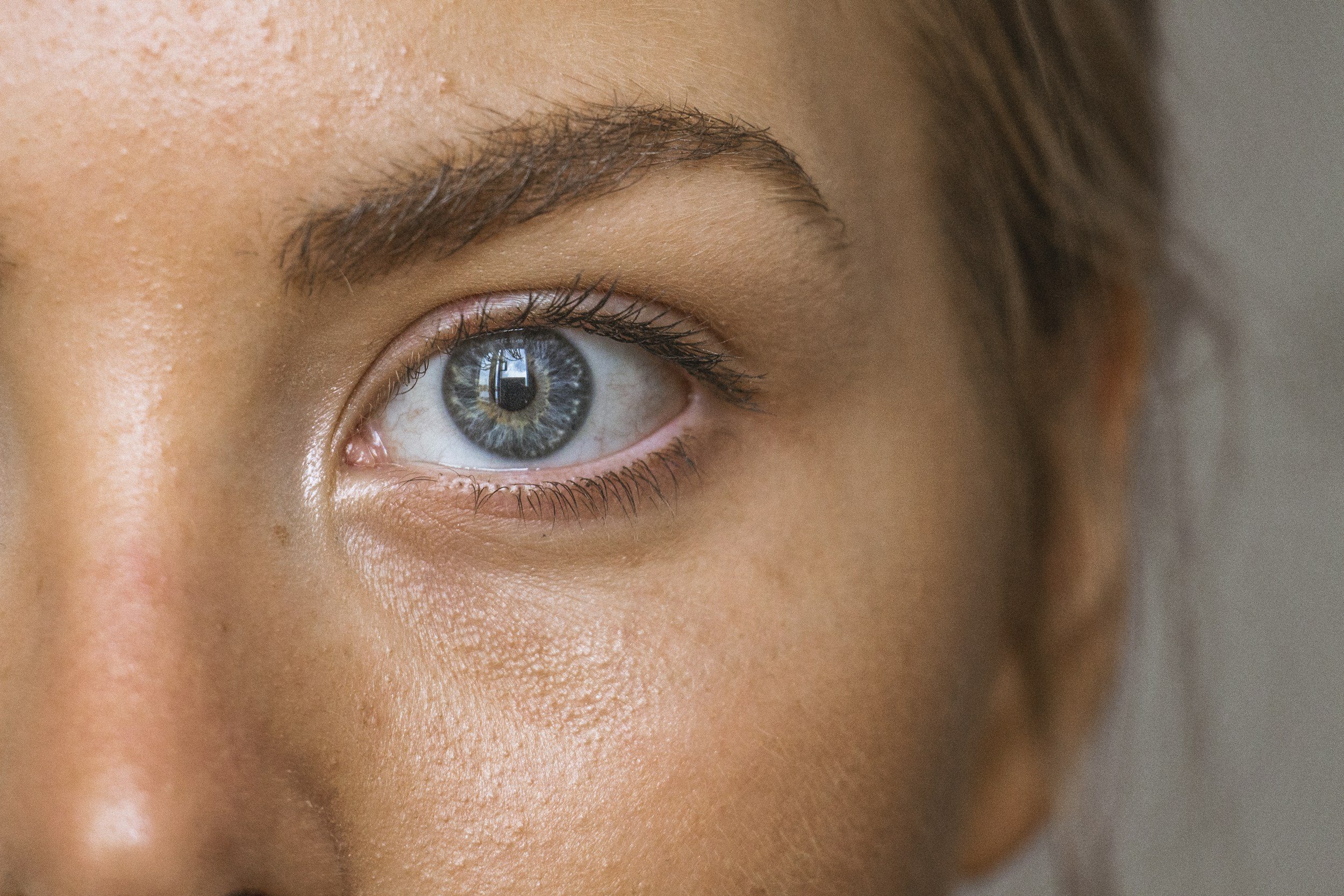
There's a specific kind of tiredness that has nothing to do with how much sleep you actually got. It's the look that comes from heavy, sagging upper eyelids or puffy under-eye bags, the one that makes people ask, "Are you okay?" even on a great day. Eyelid surgery exists specifically for this gap between how you feel and how your eyes are telling a different story, and it's a common enough concern that Fort Myers surgeons see it as one of their most frequently requested facial procedures.
What makes this procedure appealing to so many people is exactly what it isn't: a dramatic overhaul of the face. It's a targeted correction, addressing one specific area rather than reshaping your overall appearance, which is a big part of why it consistently ranks among the most requested cosmetic procedures year after year.
Why the Eyes Age Differently Than the Rest of the Face
Eyelid skin is some of the thinnest on the entire body, which is exactly why it tends to show sagging and fine lines earlier than other areas of the face. A few specific factors drive this:
Thin skin with less collagen and elasticity than most other facial areas
Fat pads around the eyes that can shift, bulge, or thin unevenly with age
Repeated blinking and expression, which accelerates fine line formation over decades
Sun exposure, since the eye area often gets less consistent sunscreen coverage than the rest of the face
This combination is why the eyes are often one of the very first places people notice visible aging, sometimes well before other facial changes become apparent.
Why This Has Become Such a Common Decision
The demand for this kind of subtle refresh has grown noticeably in recent years, particularly among older patients. According to the American Society of Plastic Surgeons' 2025 Procedural Statistics Report, patients ages 66 and older saw a 24 percent rise in cosmetic procedure volume last year, the largest increase of any age group, with the report specifically noting that patients are increasingly seeking authentic restoration rather than transformation. Eyelid surgery fits squarely into that shift, correcting a specific, aging-related change rather than altering your overall look.
What Eyelid Surgery Actually Addresses
Upper eyelid surgery removes excess skin and fat that has accumulated over the eye, correcting the heavy, hooded look that can make eyes appear smaller or more tired than they actually are. Lower eyelid surgery focuses primarily on removing or repositioning fat to eliminate persistent under-eye bags, along with a small amount of excess skin if needed. Neither procedure touches the eyebrows or addresses crow's feet, which is an important distinction, since some patients expect it to correct concerns that actually require a separate treatment like a brow lift.
Why This Counts as a Subtle Change, Not a Dramatic One
Unlike more extensive facial procedures, eyelid surgery targets a very specific, localized area rather than reshaping the broader structure of the face. The goal isn't a different-looking face, it's simply removing the specific tissue causing that tired, aged appearance around the eyes, which is exactly why results tend to read as "refreshed" rather than "obviously done."
People who know you well often notice the change without being able to say exactly what's different, which is usually a sign the result looks genuinely natural.
What a Good Consultation Should Cover
Because upper and lower eyelid concerns often have different underlying causes, a thorough consultation should evaluate both areas individually rather than assuming one standard approach fits everyone. It's also worth discussing whether your specific concern is actually eyelid-related, or whether a drooping brow is contributing to the appearance, since eyelid surgery alone won't correct that particular issue. Anyone researching eyelid surgery in Fort Myers should expect this kind of specific evaluation during a consultation, one that reviews medical history and physical characteristics alongside your actual cosmetic goals rather than jumping straight to a recommendation.
Dr. Ralph Garramone's twenty-plus years of experience with the procedure means he's seen this same combination of upper-lid heaviness and lower-lid puffiness in countless variations, which is part of why the consultation focuses so heavily on distinguishing your specific case rather than defaulting to a one-size-fits-all plan.
What Recovery Actually Looks Like
Eyelid surgery is typically performed as an outpatient procedure under local anesthesia, often with light sedation, and most patients return home just a few hours after surgery. A general recovery timeline looks like this:
Day of surgery: Return home within a few hours, with some swelling and bruising expected
3 to 5 days: Makeup can typically be applied to help conceal any remaining bruising
About 1 week: Most patients resume normal daily activities
2 weeks: Strenuous exercise and activity can generally resume
Individual healing times vary, so these milestones are a general guide rather than a guarantee.
Conclusion
Eyelid surgery remains one of the most requested cosmetic procedures precisely because it delivers a genuinely noticeable refresh without altering the rest of your face. Understanding exactly what it can and can't correct, and getting a thorough, individualized evaluation, makes it much easier to know whether it's the right fit for your specific concern.
If your eyes have been telling a more tired story than the rest of you feels, it's worth finding out whether a targeted, relatively simple procedure could close that gap.
