
How Liposculpture Helps Target Stubborn Fat After Pregnancy
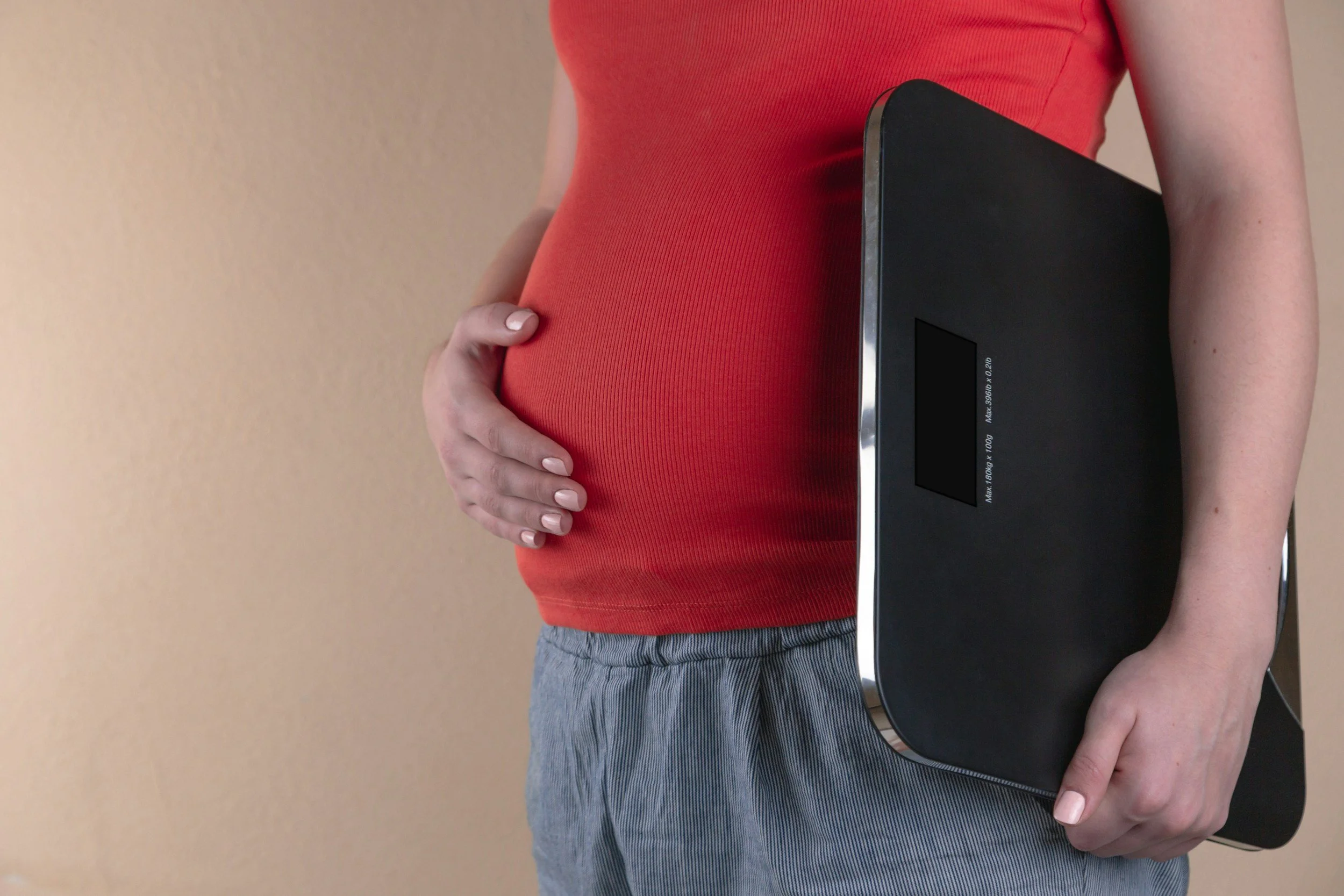
Something has shifted in the way we talk about post-pregnancy bodies. Moms are speaking more openly about the parts that are genuinely hard — the way your abdomen looks and feels different after a caesarean, the fat that seems to move somewhere new and just… stay there, the frustration of doing everything right and still not seeing results in certain spots. For a lot of women, those changes just become part of life. For others, they’re a real, ongoing source of frustration that doesn’t fade even after everything else about new motherhood has settled.
Liposculpture — a more refined, precision-driven evolution of traditional liposuction — has become one of the most requested body contouring procedures among post-pregnancy patients. In plastic surgery practices from Beverly Hills to London, surgeons are seeing a growing number of women who have put in the work, maintained a healthy weight, and still can’t shift specific pockets of fat that simply won’t respond to anything else.
Why Pregnancy Changes Fat Distribution — Sometimes Permanently
Here’s something a lot of women aren’t told upfront: pregnancy triggers hormonal changes that directly influence where your body stores fat. Estrogen and progesterone push fat into the hips, thighs, abdomen, and lower back — it’s a physiological mechanism designed to support the foetus and prepare for breastfeeding. After pregnancy ends and hormones normalise, most of that redistributed fat doesn’t just disappear. For many women, those pockets stick around even after returning to their pre-pregnancy weight, even after months of consistent exercise.
The abdomen deserves a special mention here. After pregnancy, the abdominal wall is structurally different — the rectus abdominis muscles can separate (that’s diastasis recti), and the skin and fat have stretched significantly. Even women who rebuild real abdominal muscle tone often find that localised fat deposits around the lower abdomen, flanks, and waist just persist, completely independent of overall fitness level.
These aren’t failures of effort or discipline. They’re the structural result of a body that has done something extraordinary — and they respond to targeted intervention rather than general weight loss.
Liposculpture vs. Traditional Liposuction: Worth Understanding the Difference
If you’re starting to research surgeons, this distinction is worth getting clear on early. Traditional liposuction removes fat in bulk — effective for significant volume reduction, but less precise when it comes to sculpting specific areas. Liposculpture uses the same fundamental mechanism but with a focus on artistic body shaping rather than pure volume reduction. The goal is a proportionate, natural-looking result that works with your anatomy.
Techniques like VASER (ultrasound-assisted), power-assisted, and laser-assisted approaches emulsify fat before removal — giving the surgeon more precision and producing smoother, better-contoured results. These methods also tend to stimulate some skin tightening as part of the healing response, which matters a lot for post-pregnancy patients whose skin has already been through significant stretching.
According to the American Society of Plastic Surgeons, liposuction has ranked among the top five most performed cosmetic surgical procedures in the United States for years running — a clear reflection of how many patients are looking for body contouring results that diet and exercise simply haven’t delivered.
The Areas Liposculpture Addresses After Pregnancy
The most commonly treated areas in post-pregnancy patients include:
Lower abdomen. The “pooch” below the navel — especially after caesarean delivery — is one of the most stubborn and most requested treatment areas.
Flanks and love handles. Fat along the sides of the torso accumulates during pregnancy and frequently sticks around, disrupting natural waist definition.
Inner and outer thighs. Hormonal fat storage during pregnancy often targets the thighs — an area that can resist reduction even with targeted exercise.
Back and bra line. Often overlooked, but a common concern that affects how clothes fit across the upper and mid back.
Upper arms. Some women experience persistent fat deposits here post-pregnancy — an area that’s notoriously slow to respond to exercise in certain body types.
For women in the US looking for a surgeon who treats this as an art form as much as a medical procedure, liposculpture Beverly Hills at the practice of Jimmy S. Firouz MD FACS represents exactly that precision-led, contour-focused approach. He is a board-certified plastic and reconstructive surgeon whose body contouring work is specifically oriented around refined, natural-looking results — not simply removing fat, but reshaping the body in a way that looks and feels proportionate and authentic.
Timing: When Are You Actually Ready?
The surgical community is pretty consistent on this: liposculpture after pregnancy should wait until your weight has been stable for at least three to six months, breastfeeding has fully ended, and your body has had real time to recover. For most women, that puts the earliest realistic window at nine to twelve months postpartum — and often longer.
The weight stability requirement isn’t just cautious box-ticking — it’s clinical. Liposculpture permanently removes fat cells from treated areas. If significant weight gain follows surgery, the remaining fat cells in untreated areas expand disproportionately, which distorts the result. The procedure works best as a finishing tool for a body at a stable, sustainable weight, not as a weight-loss strategy.
Future pregnancy plans matter too. The procedure doesn’t affect fertility, but a subsequent pregnancy will repeat the physiological changes liposculpture addresses. Most surgeons recommend completing your family before investing in body contouring surgery.
Recovery as a Mum: What You Actually Need to Plan For
Recovery is manageable, but it needs real planning — especially for mothers. The first three to five days involve soreness, swelling, and genuine fatigue. Compression garments are worn continuously for several weeks. Most patients are back at desk work within a week; physical activity and lifting take longer.
That lifting restriction is the part that catches mums off guard the most. Picking up a toddler, carrying a baby, lifting a child out of a cot — all of it is off the table for the first two to three weeks. Organising concrete childcare coverage for that window isn’t optional; it’s the thing that makes recovery actually workable.
At the practice of Jimmy S. Firouz MD FACS, the consultation process treats recovery planning as a core part of patient preparation — not an afterthought. That kind of practical guidance alongside the clinical plan genuinely makes a difference for mothers navigating this kind of procedure.
Conclusion
Liposculpture after pregnancy isn’t about pretending your body hasn’t been through something major. It’s about dealing with specific, persistent changes that haven’t shifted despite everything else you’ve tried — and doing it on your timeline, when you’re genuinely ready.
The procedure is well-established, results are long-lasting when timing is right, and advances in surgical technique have made outcomes more refined, natural-looking, and recovery more manageable than many people expect.
If you’re at the stage of seriously weighing your options, a consultation is a low-pressure way to understand what’s genuinely possible for your body and your real life. Not a sales pitch — just honest information so you can make the decision that actually works for you.
