
How Oral Bacteria Impacts Inflammation and Long-Term Chronic Disease Risk
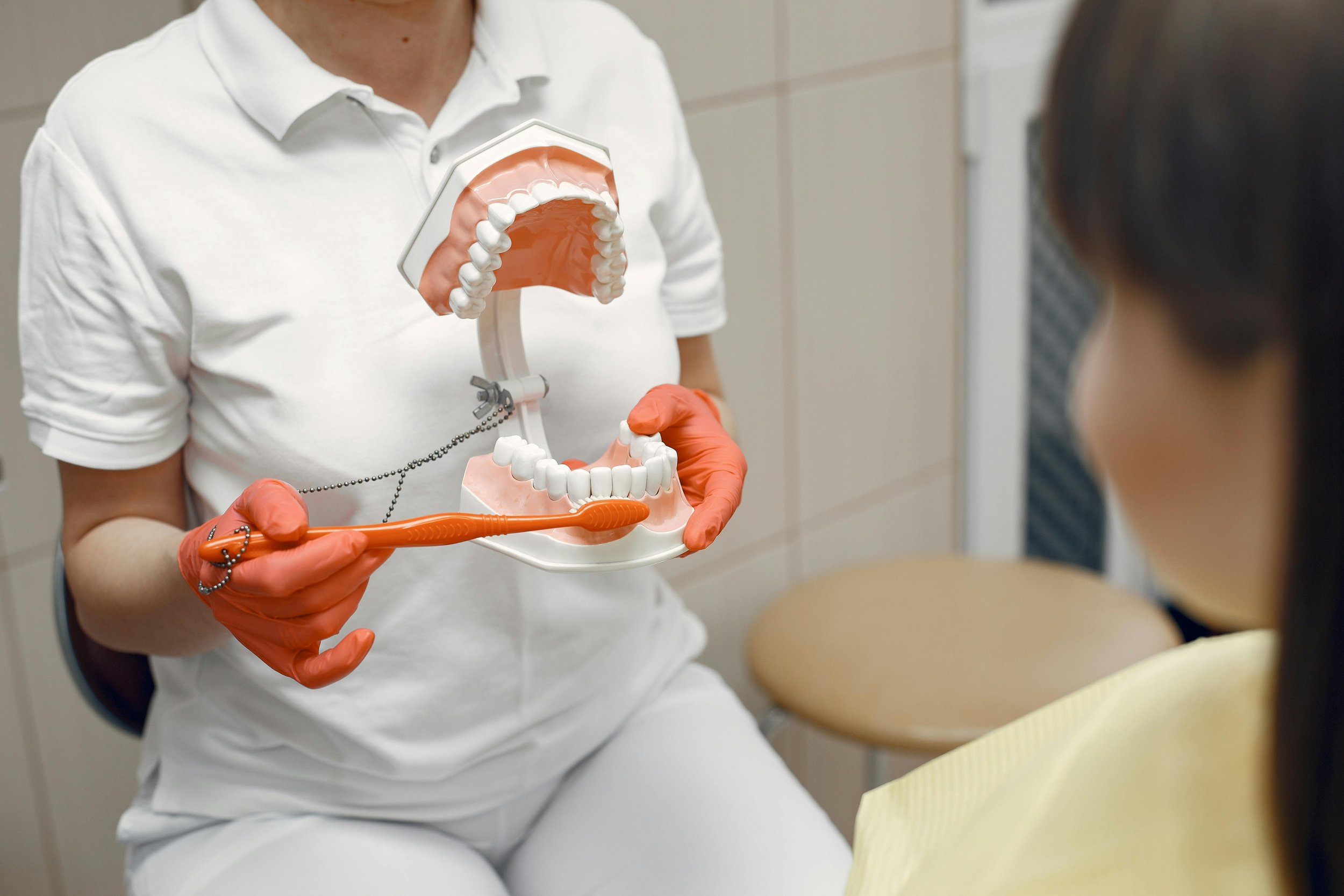
Most people view a trip to the dentist as something that happens to their teeth.
Brush them. Fix them. Move on.
But here's what most people fail to realise…
Your mouth doesn't live in a vacuum. What happens inside that cavity has a direct impact on the rest of your body. Oral bacteria travels. When it moves around, it can slowly cause inflammation that develops into serious, long-term chronic diseases.
When was the last time your dentist talked to you about this?
What's covered in this guide:
Why Oral Bacteria Is More Dangerous Than Most People Think
How Oral Bacteria Escapes the Mouth and Causes Systemic Inflammation
The Chronic Diseases Most Commonly Linked with Poor Oral Health
What You Can Do About It
Why Oral Bacteria Is More Dangerous Than Most People Think
Life in your mouth is pretty wild when you stop to think about it.
There are close to 1,000 different species of bacteria living on your teeth, gums, and tongue at any given moment. Most of them aren't harmful. Some are even helpful!
But here's the reality...
When something upsets that balance — poor oral hygiene, diet, or untreated periodontal disease — it creates an opportunity for anaerobic bacteria to overload the mouth. This is known as dysbiosis, and it's where things start to get bad.
Not just for your gums. For your body.
Periodontitis is common, affecting over a billion people worldwide, and it doesn't just cause tooth decay and gum inflammation. It leads to higher risks of systemic health problems that most people rarely associate with oral health.
More people have diseases festering in their gums than most realise.
How Oral Bacteria Travels Beyond the Mouth and Causes Inflammation
Here's the scary part.
Your teeth serve as exit ramps to the rest of your body. Everyday habits like eating, brushing, flossing wrong, or certain dental work can all send bacteria into the bloodstream. Once it's in there, it can spread.
Your immune system doesn't like that.
When bacteria enters the bloodstream, your body goes on high alert until it can remove the pathogens. During this time, your body releases pro-inflammatory responses in the form of cytokines. These are microscopic trigger-points that tell your body to trigger inflammation.
Problem is… when this process keeps happening for years at a time, it stops being targeted immune defence. It becomes whole-body, systemic inflammation.
That is a precursor to a whole host of chronic diseases.
That's why working with an expert dentist in Bradenton, FL for family dentistry services isn't just a preventative measure for your teeth — it's potentially lifesaving for the rest of your body.
4 Chronic Diseases Commonly Linked to Poor Oral Health
When it comes to chronic diseases common among those with poor oral health, there is still much to discover about how bacterial management plays a role.
Let's take a look at four of the most common connections.
Cardiovascular Disease
Perhaps the most common connection between dental health and internal health conditions is that of heart health.
Gum disease has been linked to heart disease for decades, and with good reason. A recent umbrella review of 41 studies on the connection found that there is a clear association between periodontitis and heart disease, and the inflammation and dysbiosis of oral bacteria are the primary drivers for this connection.
Inflammation in the gums can eventually spread to the heart, creating major issues with your blood vessels. Your bloodstream transports harmful oral bacteria to your heart, which can cause vascular inflammation and damage.
Over time, this eats away at your arteries and can lead to heart attacks and strokes. People with gum disease have a much higher risk of heart disease than those without.
There's a reason why dentists have long warned that brushing your teeth is good for your heart. It's true — at least partly.
Diabetes
Similarly to heart disease, diabetes and periodontal disease fuel each other.
High blood sugar allows for bacteria to grow out of control in the mouth. These bacteria make it harder for your body to control its blood sugar levels. The cycle continues and patients with diabetes often struggle with chronic gum disease as a result.
The issue here is when bacteria cause inflammation that puts additional stress on the body. Not only does it become harder to control blood sugar when bacteria are overgrown, but the immune system degradation that occurs eats away at your body from within.
Alzheimer's Disease and Dementia
This one is a little different.
Studies have shown bacteria that live in your mouth can transfer to your brain during sleep. Worse yet, researchers believe this can lead to Alzheimer's disease over an extended period.
Patients who suffered from Alzheimer's had strains of oral bacteria in their brains when they passed away. Researchers are still trying to fully grasp why, but they believe it's because of bacteria like Porphyromonas Gingivalis.
Bottom line: Brushing your teeth may help prevent Alzheimer's down the line.
Respiratory Disease
It shouldn't come as a surprise that your mouth has a direct link to your lungs.
When breathing, bacteria from your mouth can build up in your lungs. Regular exposure to oral bacteria can cause serious respiratory diseases.
Just as there are bacteria in your lungs that help fight off disease, too much oral bacteria can wear down your respiratory defence and cause issues.
The Simple Solution
They don't call dentistry "preventative healthcare" for no reason.
Keeping your mouth clean isn't just about white teeth. Brushing, flossing, and routine dentist trips can mean the difference between a healthy life and serious disease.
Life is busy. Here's how to fight against chronic disease with just a few tweaks to your routine.
Brush and floss daily
Visit the dentist for routine cleanings twice a year
Seek treatment for gum disease as soon as symptoms appear — do NOT wait for it to clear up on its own
Inform your dentist of any known chronic health conditions
Ask about a comprehensive periodontal exam — don't just settle for a regular check-up
Work with your dentist to keep your mouth healthy. Better oral hygiene isn't just about a bright smile. It's about keeping the rest of you healthy, too.
Related:
