
How Significant Weight Loss Changes the Approach to Abdominoplasty
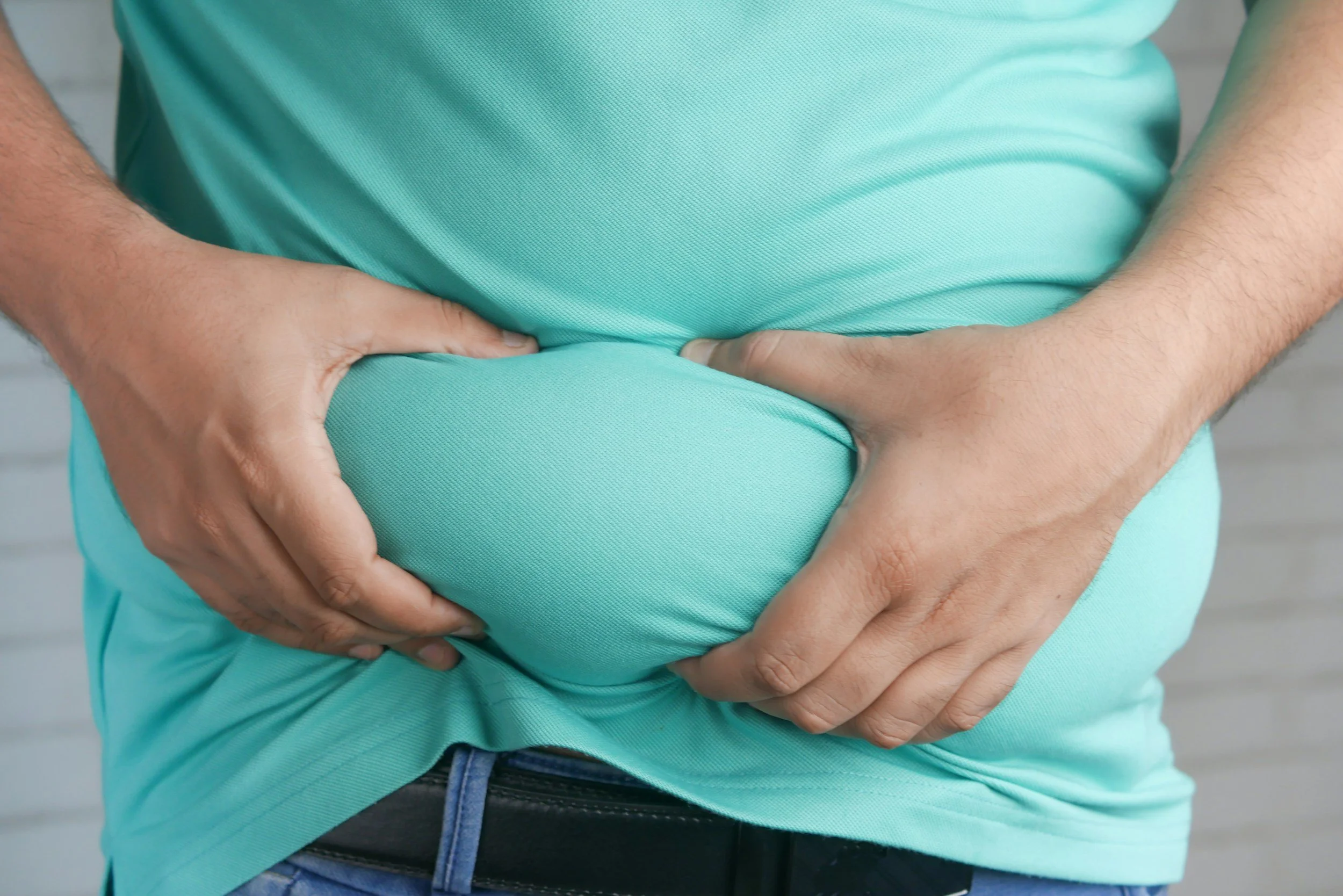
You did the hard part. Maybe it was bariatric surgery, maybe a GLP-1 medication, maybe a couple of years of early alarms, meal prep, and saying no to the office bagels. Either way, you’ve dropped 50, 80, or even 100-plus pounds, and you can finally keep up with your kids on the playground. Then you catch yourself in the mirror after a shower and notice the one thing the scale didn’t fix: loose skin around your midsection that just won’t budge.
If you’re in New York and starting to look into a tummy tuck, here’s something worth knowing early. A tummy tuck after major weight loss is a different operation from the one a fit 35-year-old gets to tighten things up after having kids. The timing, the incisions, and even the recovery plan can all change. Let’s walk through why.
You’re Not Alone in This
Weight is a challenge for a huge number of people. According to the Centers for Disease Control and Prevention, 40.3% of U.S. adults had obesity between August 2021 and August 2023.
With more people losing large amounts of weight through bariatric surgery, newer medications, or sheer hard work, a lot of them eventually end up in a plastic surgeon’s office asking the same question you are.
Why Your Skin Behaves Differently Now
When skin is stretched for years, its collagen and elastic fibers get damaged. It doesn’t snap back the way it would after a small weight change. After significant weight loss, you’ll often see:
• Skin that hangs in a fold or “apron” over the lower belly.
• Excess skin that wraps around the hips, flanks, and lower back, not just the front.
• Thinner, less elastic skin with stretch marks.
• Pockets of stubborn fat mixed in with the loose skin.
That’s why a standard tummy tuck, which mainly works on the front of the abdomen, may not be enough on its own.
Timing Matters More Than You Think
The biggest mistake people make is rushing. Surgeons generally want to see your weight stable for several months before operating. After bariatric surgery, that often means waiting until you’re 12 to 18 months out and your weight has plateaued.
There are good reasons for the wait. If you lose another 20 pounds after surgery, new loose skin appears. Your nutrition also matters a lot. Low protein, iron, or vitamin levels, which are common after weight-loss surgery, can slow wound healing. Expect your surgeon to ask about bloodwork and your current diet.
How the Surgery Itself Changes
This is where the approach really shifts. Depending on your body, your surgeon may recommend:-
• Extended abdominoplasty: a longer incision that wraps toward the hips to remove skin from the flanks.
• Panniculectomy: removal of the hanging apron of skin, sometimes done for medical reasons like rashes or hygiene problems.
• Fleur-de-lis abdominoplasty: adds a vertical incision to remove excess skin side to side, not just top to bottom.
• Lower body lift (belt lipectomy): a 360-degree procedure that addresses the abdomen, hips, buttocks, and outer thighs together.
• Muscle repair and liposuction: tightening separated abdominal muscles and smoothing out the remaining fat for a better contour.
It’s worth seeing how experienced surgeons put these pieces together. For instance, Dr. Kaveh Alizadeh, who performs abdominoplasty in NYC through his NaturaTuck technique, combines liposuction of the abdomen, flanks, and pubic area with skin removal and muscle tightening.
His practice also offers torso lifts and panniculectomy for patients who have lost a large amount of weight. That kind of range matters, because the right plan depends on your body, not on a one-size-fits-all package.
A Quick Note for the Guys
Men often carry more of their weight as visceral fat, the kind that sits deep inside the abdomen around the organs. A tummy tuck can remove skin and the fat under it, but it can’t touch fat that sits behind the abdominal wall.
If your belly is still firm and round after weight loss, that may be part of the reason. A good surgeon will tell you honestly what surgery can and can’t change. Many men also choose to address the chest at the same time, since loose skin there is just as common after big weight loss.
What Recovery Looks Like When You’ve Got Kids
After a tummy tuck, many patients take about two weeks off work and avoid heavy lifting for around six weeks. More extensive procedures, like a lower body lift, usually need longer. For parents, “no heavy lifting” includes your toddler, the car seat, and the laundry basket.
A few things that help:-
• Line up help at home for at least the first week or two.
• Prep easy meals and set up a recovery spot with everything within reach.
• Walk short distances early on to keep your circulation moving (your surgeon will guide you).
• Talk to your kids ahead of time about why you can’t pick them up for a while.
Questions to Bring to Your Consultation
A good consultation is your chance to understand your options, set realistic expectations, and make sure the procedure is right for your body and goals.
• Am I at a stable enough weight, and are my labs good enough for surgery?
• Do I need a standard, extended, or circumferential procedure?
• Where will my scars be, and how long will they be?
• Could any part of this, such as a panniculectomy, be considered medically necessary?
• What does a realistic recovery look like for my specific plan?
Final Thoughts
Losing a large amount of weight is a real achievement, and wanting your body to reflect that work is completely reasonable. Just know that an abdominoplasty after major weight loss usually calls for a more tailored plan than a typical tummy tuck. Waiting until your weight is stable, getting your nutrition in shape, and choosing a surgeon who can explain the difference between a standard, extended, or circumferential approach will set you up for the best result. Take your time, ask plenty of questions, and plan your recovery around your family. The goal isn’t just a flatter stomach. It’s finally feeling as good in your skin as you do on the scale.
