
How to Build a Home Gym on Any Budget
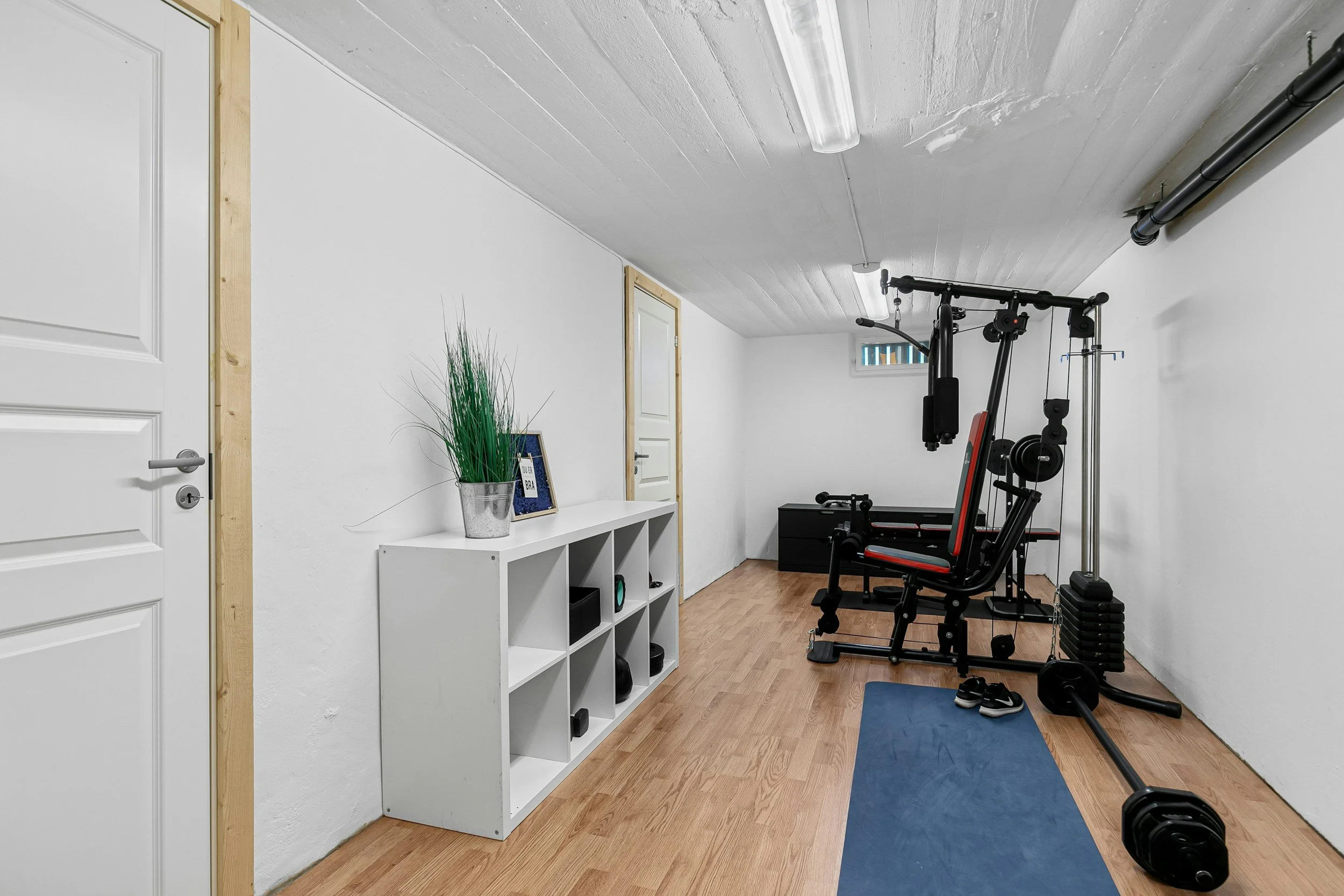
Creating a home gym has become increasingly popular as more people look for convenient and flexible ways to stay active without relying on commercial fitness centres. The good news is that building an effective workout space does not require a large budget or a dedicated room. With thoughtful planning and smart choices, it is possible to design a home gym that suits your needs and grows with you over time.
Whether you are starting with a spare room, a garage corner, or even a small section of your living area, a well-organised home gym can support your fitness goals while fitting comfortably into your lifestyle.
Start by Defining Your Fitness Goals
Before purchasing equipment, it is important to decide what type of exercise you plan to focus on. Strength training, cardio, flexibility work, and functional fitness all require slightly different setups. Understanding your priorities helps prevent unnecessary spending and ensures your space remains practical.
For example, someone interested in bodyweight workouts may only need a mat, resistance bands, and a pull-up bar. Meanwhile, those focusing on strength training might prefer adjustable dumbbells or a compact weight bench. Choosing equipment that matches your routine makes your home gym more efficient from the very beginning.
Make the Most of the Space You Already Have
You do not need a large room to build a useful workout area. Many effective home gyms begin in spare corners, loft spaces, or garages. The key is to organise your layout so that movement remains comfortable and safe.
Wall-mounted storage, foldable benches, and compact racks can help maximise floor space. Even small adjustments, such as adding mirrors or improving lighting, can make a workout area feel larger and more motivating.
Creating a clear and dedicated zone for exercise also helps maintain consistency, as it signals that the space has a specific purpose within your daily routine.
Choose Equipment That Offers Versatility
When working with a limited budget, versatile equipment provides the greatest value. Adjustable dumbbells, resistance bands, and suspension trainers allow you to perform a wide range of exercises without filling the room with bulky machines.
These items are often more affordable than large single-purpose equipment and can be easily stored when not in use. As your fitness level improves, you can gradually add new pieces that support more advanced training.
Building your gym step by step makes the process more manageable financially while ensuring every purchase remains useful over time.
Focus on Durable and Practical Materials
Another important consideration when building a home gym is the quality of the materials used in both equipment and surrounding fixtures. Durable flooring, stable shelving, and reliable storage solutions help keep the space safe and comfortable to use.
Some homeowners who enjoy DIY projects even customise parts of their workout area themselves. In certain cases, workshop tools such as a CNC wood cutting machine can be used to create personalised storage racks, equipment platforms, or wall-mounted organisers that fit the space perfectly. This approach allows greater flexibility while keeping costs under control.
Thoughtful material choices help ensure your home gym remains functional for years rather than needing frequent adjustments or replacements.
Create a Motivating Environment
A successful home gym is not only practical but also enjoyable to use. Small details can make a big difference in how often you return to space.
Adding mirrors can improve posture during exercises while also making the room feel more open. Good lighting helps maintain focus, especially during early morning or evening workouts. Some people also benefit from including speakers or a simple display screen for guided sessions.
By making the environment comfortable and inviting, you increase the chances of staying consistent with your routine.
Plan for Storage from the Beginning
Keeping your workout area organised is essential, particularly when space is limited. Equipment that is easy to store encourages regular use because it reduces setup time and keeps the room tidy.
Wall hooks, compact shelving, and under-bench storage are simple solutions that prevent clutter. Even a small storage plan can make your gym feel more professional and easier to maintain.
A well-organised layout also improves safety by ensuring there is enough room to move freely during each session.
Upgrade Gradually as Your Needs Change
One of the biggest advantages of building a home gym is the ability to adapt it over time. Instead of investing in everything at once, you can expand your setup as your training routine develops.
Starting with essential equipment allows you to understand what works best in your space. Later additions such as kettlebells, a squat rack, or a cardio machine can be introduced when they genuinely support your progress.
This gradual approach helps you stay within budget while still creating a gym that feels complete and effective.
Build a Routine That Works for You
Ultimately, the most valuable part of any home gym is how well it supports your daily habits. A thoughtfully planned space encourages consistency, saves travel time, and makes it easier to stay committed to your fitness goals.
By focusing on practical equipment, efficient storage, and a motivating environment, you can create a home gym that fits your lifestyle regardless of budget. Over time, this personalised setup becomes a reliable and rewarding part of your everyday routine.
Related:
