
Written by Austin Tiu.
Small changes in the kitchen can add up fast. With a few simple swaps and habits, you can boost flavor, cut excess salt and saturated fat, and get more of the nutrients your body needs. Think of these as building blocks you can stack into any recipe: breakfast, lunch, or dinner.

Cook with Smarter Fats
Butter brings richness, but plant oils offer a lighter path. Try olive, avocado, walnut, or canola for sautéing and roasting. A recent American Heart Association article highlights that keeping saturated fat closer to 13 g per day on a 2,000-calorie diet supports heart health.
Make a habit of tasting as you cook and finishing dishes with a drizzle of extra virgin olive oil. Midweek stews, roasted vegetables, and even pancakes benefit from the swap. Explore an olive farm in California that nudges you toward fresher, more vibrant oils, and you’ll likely notice a cleaner finish on the palate. When baking, replace part of the butter with oil or yogurt to keep cakes and muffins moist while trimming saturated fat.
Slash Sodium without Losing Flavor
Most of the salt in our diet sneaks in from packaged foods and restaurant meals rather than the salt shaker at home. That means smart shopping and simple cooking techniques can make a real difference.
Season in layers. Salt a little early so flavors bloom, and balance with acids like lemon juice or vinegar. Build depth with garlic, onion, ginger, and fresh herbs. Toast spices in a dry pan for 30 seconds to wake them up, and try umami boosters like mushrooms or a splash of reduced-sodium soy sauce.
Pack Half Your Plate with Plants
Aim for at least 5 portions, or about 400 g, of fruits and vegetables per day, as global health guidance often recommends. Filling half your plate with produce helps crowd out heavier foods and adds fiber, water, and color to every meal.
Rotate textures to keep things interesting. Crisp salads pair well with soft roasted squash or creamy beans. Fold grated carrots or chopped spinach into sauces, burgers, and omelets. Keep a container of cut veggies in the fridge so snacking on them takes zero thought.
Choose Whole Grains for Staying Power
Whole grains deliver more fiber and minerals than their refined cousins. Swap white rice for brown, quinoa, or bulgur. Choose 100% whole wheat or sprouted grain bread for sandwiches, and use whole wheat pasta or a legume pasta for extra protein.
Cook grains in low-sodium broth for flavor, and fluff with olive oil and lemon zest. Batch-cook a pot on Sunday and portion it for quick grain bowls. Add a fried egg, roasted vegetables, and a spoon of yogurt for a fast, balanced meal.
Upgrade Your Proteins
Lean proteins help you feel full without extra saturated fat. Favor fish, beans, lentils, tofu, and skinless poultry most days. Keep red meat as an occasional highlight and trim visible fat before cooking.
Marinate proteins for tenderness and taste. A simple mix of olive oil, citrus, garlic, and herbs does the job. Grill, bake, poach, or air-fry instead of deep-frying. When you do cook richer cuts, balance the plate with a big side of vegetables and a whole grain.
Make Meal Prep Your Ally
Cooking once and eating twice saves time and supports better choices. Roast a sheet pan of vegetables, bake a tray of chicken thighs, and cook a pot of grains while you clean up the kitchen. Store items in clear containers so the plan is obvious when hunger hits.
Think in building blocks. Prepped vegetables become tacos, pasta toss-ins, and grain bowls. Leftover beans blend into dips, spread onto toast, or bulk up soups. Label containers with painter’s tape and a date for easy tracking. This approach not only reduces food waste but also keeps your meals varied and satisfying throughout the week. If you need extra support on busy days, options like Nutre can complement your prep routine with convenient, ready-made meals that fit seamlessly.
If you're running a small cafe or launching a healthy meal-prep business, consistent, high-capacity roasting helps you batch-cook vegetables and proteins with less oil and lower sodium. Browse the Restaurant Supply oven catalog to compare Vulcan commercial ovens with convection or combi features that deliver even heat, cut cook times, and preserve color and texture—perfect for sheet-pan veggies, baked whole grains, and lean proteins that stay juicy without deep-frying.
Smarter Cooking Techniques
Use heat thoughtfully to control texture and nutrients. Quick-steam or stir-fry tender vegetables to keep color and snap. Roast root veggies at high heat for caramelized edges, and finish with citrus for brightness.
Deglaze pans with a splash of wine, vinegar, or broth to pull up browned bits and build a quick sauce. For creamy soups without cream, simmer vegetables in broth, then blend with a little potato or white beans. You get body and comfort with fewer heavy ingredients.
Build a Kitchen that Nudges Healthy Choices
Set up your space so the healthy move is the easy move. Keep a fruit bowl on the counter, herbs on the windowsill, and nuts or seeds within reach for a quick crunch. Store treats out of sight so they are not your first grab.
Pre-chop onions and carrots, wash greens, and portion nuts so assembly takes minutes
Stock reduced-sodium broths, unsalted tomatoes, and whole grains in the pantry
Keep versatile spices like cumin, smoked paprika, and chili flakes near the stove
Use measuring spoons and a small scale to learn true portions
Batch-mix a simple vinaigrette to dress salads, grains, and roasted veggies
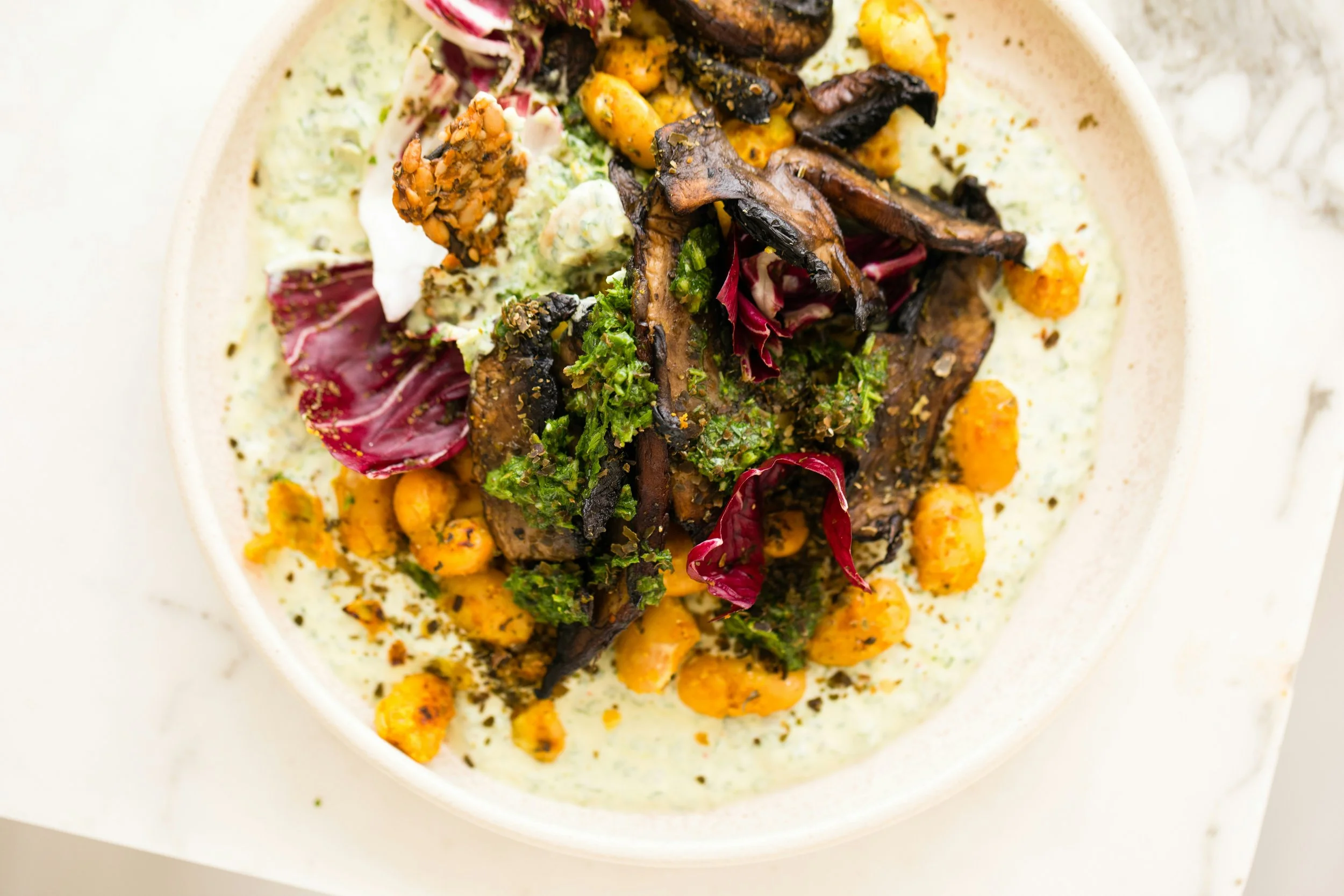
A few steady habits can reshape how you eat without making dinner feel like a project. Start with one swap, like different oils or more produce, and build from there. Your plate will be colorful and balanced, and your cooking will feel easier, too.
Related:
