
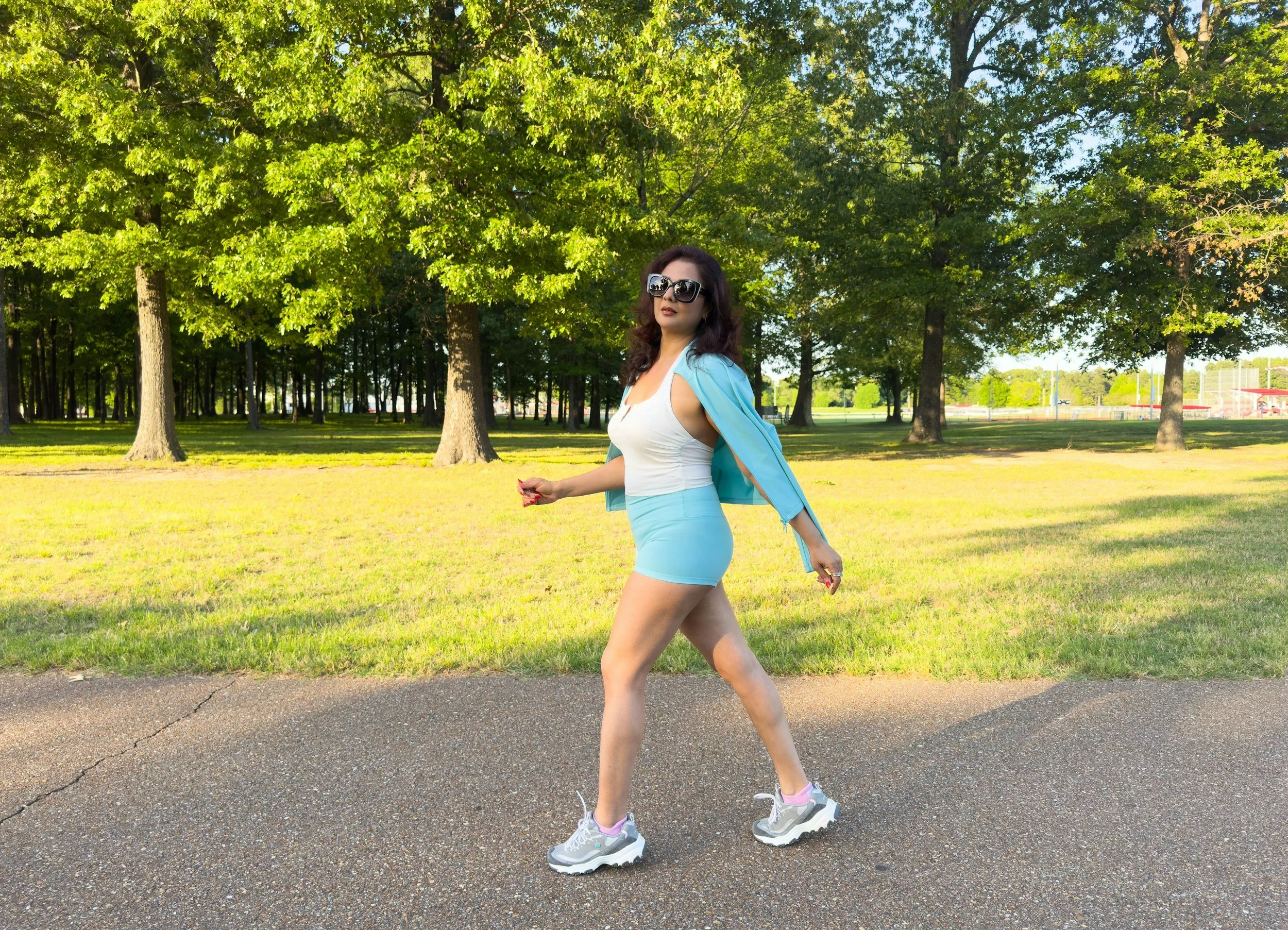
Staying physically active is an important part of maintaining overall health, but surgery can temporarily change how the body responds to movement. After a breast lift, returning to a regular exercise routine requires patience, especially while the incisions and underlying tissues heal. Although it can be tempting to resume familiar workouts as soon as you feel better, remember, doing too much too soon may interfere with recovery.
The key is to approach exercise gradually, follow your surgeon's instructions, and recognize when your body is ready for more activity. Understanding the different stages of recovery can help you rebuild your fitness routine without putting unnecessary strain on healing tissues.
Why Is It Important to Take Exercise Slowly After Breast Lift Surgery?
A breast lift, also known as mastopexy, involves removing excess skin and reshaping breast tissue to create a firmer, lifted appearance. Because the procedure involves incisions and changes to the surrounding tissues, the body needs sufficient time to heal.
During the initial recovery period, strenuous movements can increase swelling, discomfort, and the risk of complications such as bleeding. Activities involving chest muscles, repetitive arm movements, or bouncing can also place pressure on healing areas.
Dr. Edward Chamata's approach to breast lift surgery also highlights the importance of individualized recovery planning. Patients considering a breast lift in Houston should discuss their fitness habits and exercise goals with their surgeon to understand when and how they can safely resume physical activity.
6 Tips for Returning to Exercise After a Breast Lift
Resuming physical activity is not about reaching a particular fitness milestone within a specific number of days. It is about allowing your body to recover while gradually rebuilding strength and endurance.
1. Start With Short, Gentle Walks
Walking is generally one of the first activities patients can gradually reintroduce after surgery, provided their surgeon permits it. Short walks around the house or in a comfortable outdoor setting can help maintain mobility without placing excessive demands on the body.
Begin with a few minutes at a comfortable pace rather than trying to match your previous walking distance. As your energy improves, you may gradually increase the duration.
Avoid steep inclines, brisk walking, or routes that require considerable physical effort during the early stages of recovery.
2. Follow Your Surgeon's Recovery Timeline
Not everyone heals at the same pace. Factors such as the surgical technique, individual health, healing progress, and any additional procedures can influence when exercise becomes appropriate.
According to the U.S. National Library of Medicine's guidance on cosmetic breast surgery recovery, patients should limit physical activity while healing and avoid heavy lifting, strenuous exercise, and overstretching their arms for approximately three to six weeks.
However, this is general guidance rather than a universal timetable for breast lift patients. Your surgeon may recommend a different schedule based on your procedure and recovery.
3. Avoid Upper-Body Workouts Too Soon
Exercises such as push-ups, chest presses, planks, and weightlifting can place pressure on the chest and surrounding muscles. Even activities that seem manageable before surgery may feel uncomfortable while the tissues are healing.
Avoid upper-body strength training until your surgeon specifically clears you to resume it. When permission is given, begin with gentle movements and light resistance rather than immediately returning to your previous training intensity.
Pay particular attention to movements that involve reaching overhead, stretching the chest, or lifting weights away from your body.
4. Gradually Reintroduce Low-Impact Activities
Once your surgeon confirms that healing is progressing well and approves additional activity, you may be able to introduce more low-impact exercises into your routine.
Depending on your recovery, these may eventually include:
Stationary cycling at a comfortable resistance.
Gentle lower-body exercises without heavy weights.
Controlled mobility exercises approved by your surgeon.
Light stretching that does not pull on the chest or incisions.
Introduce one activity at a time so you can understand how your body responds. If an exercise causes discomfort or increased swelling, stop and consult your healthcare provider.
5. Pay Attention to Your Body's Warning Signs
Feeling better does not necessarily mean that internal tissues have completely healed. It is important to distinguish between normal improvements in energy and actual readiness for more demanding exercise.
Watch for warning signs such as:
Increasing pain around the breasts or incision sites.
New or worsening swelling.
Bleeding or unusual fluid from the incisions.
Redness, warmth, or changes around the surgical area.
Unusual shortness of breath or dizziness.
Stop exercising if these symptoms occur and contact your surgical team. Sudden chest pain, severe breathing difficulties, or fainting require immediate medical attention.
6. Return to Your Regular Fitness Routine Gradually
After receiving medical clearance, you can begin working toward your previous exercise routine. However, avoid treating the first few workouts as an opportunity to make up for lost training time.
Start with shorter sessions, lighter resistance, and lower intensity. Increase the duration and difficulty gradually as your body tolerates the activity.
High-impact exercises such as running, jumping, and intense interval training should only be reintroduced when your surgeon confirms that your recovery allows them. The same applies to heavy lifting and demanding chest exercises.
Other Ways to Support Recovery While Staying Active
Exercise is only one part of a successful recovery. Everyday habits can also influence how comfortably your body heals.
Consider these practical steps:
Prioritize sleep: Give your body enough time to rest and recover between daily activities.
Maintain balanced nutrition: Include protein, fruits, vegetables, and other nutrient-rich foods to support normal healing.
Stay hydrated: Drink enough water throughout the day, particularly as you gradually become more active.
Wear recommended support garments: Follow your surgeon's instructions regarding surgical bras and other supportive clothing.
Attend follow-up appointments: Regular checkups allow your surgeon to assess healing and adjust activity recommendations when necessary.
These habits can help create a supportive environment for recovery without placing unnecessary demands on your body.
The Bottom Line
Returning to exercise after a breast lift is a gradual process that requires patience, consistency, and attention to your body's needs. Starting with gentle movement, avoiding strenuous activities during early recovery, and following your surgeon's recommendations can help you resume an active lifestyle more safely.
Rather than rushing to regain your previous fitness level, focus on steady progress and allow adequate time for healing. A thoughtful approach to exercise can support your overall well-being while helping you protect your surgical results.
Frequently Asked Questions
1. How soon can I start walking after a breast lift?
Many patients can begin short, gentle walks soon after surgery, but they should follow their surgeon's specific instructions.
2. When can I return to weightlifting after a breast lift?
Weightlifting generally needs to be avoided for several weeks, with the exact return date determined by your surgeon.
3. Can I run after breast lift surgery?
Running should be postponed until your surgeon confirms that your tissues have healed sufficiently to tolerate high-impact movement.
4. Should I wear a sports bra when exercising after surgery?
A supportive bra may be appropriate once exercise is permitted, but you should follow your surgeon's recommendations regarding fit and support.
5. What should I do if exercise causes breast discomfort?
Stop the activity and contact your surgeon if discomfort persists or is accompanied by swelling or other concerning symptoms.
