
How to Stay Active as a Dad with Chronic Back Pain: When It’s More Than Just “Old Man Aches”
This is a contributed post.
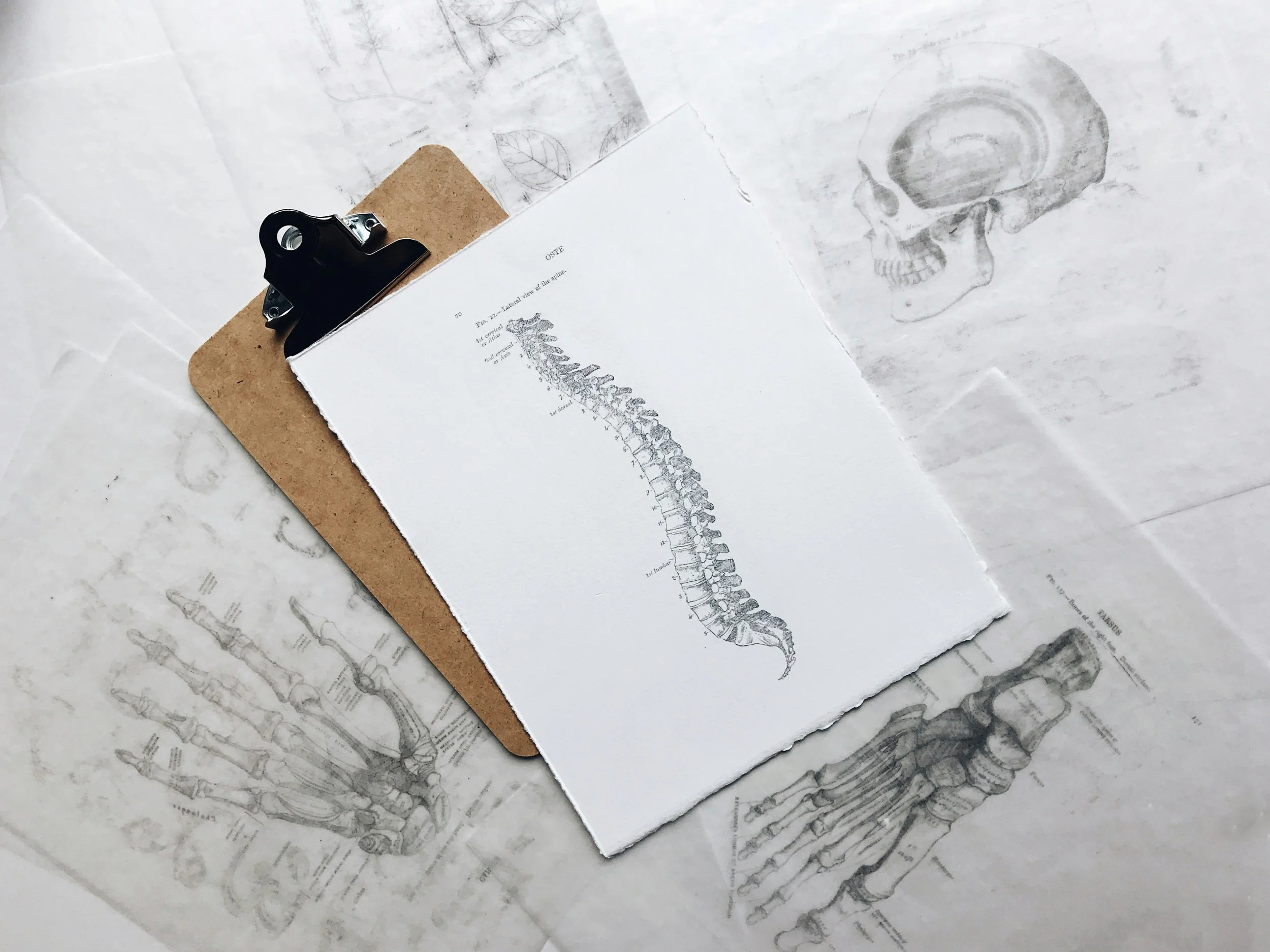
Chronic back pain is often brushed off as an unavoidable part of getting older, especially for dads who juggle work, family, and physical responsibilities every day. Many men delay proper evaluation, assuming stiffness and soreness are simply signs of aging, when in reality underlying spinal conditions may be contributing to long term discomfort. Seeking guidance from a scoliosis specialist can be an important step when back pain persists, as it helps determine whether the issue is muscular strain or a structural problem that may require more advanced care.
Understanding the Difference Between Everyday Pain and Chronic Back Conditions
Occasional back pain from lifting children, long hours at a desk, or weekend home projects is common and usually improves with rest. Chronic pain, however, tends to linger for months, worsens over time, or interferes with sleep and daily movement. When discomfort becomes a constant presence rather than a temporary inconvenience, it may signal that something more serious is occurring within the spine.
Structural issues such as adult scoliosis can develop or worsen later in life, even in individuals who were never diagnosed as children. These conditions can affect posture, balance, and nerve function, leading to pain that does not respond to typical stretching or exercise routines. Recognizing this distinction allows dads to take proactive steps instead of pushing through pain that may lead to further complications.
Staying Active Without Making Pain Worse
Remaining active is essential for both physical and mental well-being, but chronic back pain requires a more thoughtful approach to movement. Low-impact activities such as walking, swimming, or controlled strength training can help maintain mobility while reducing strain on the spine. The key is to focus on consistency and form rather than intensity, so the body stays strong without triggering flare-ups.
Listening to pain signals is equally important when staying active. Ignoring sharp or persistent pain can lead to further spinal stress and delayed healing. Adjusting activities and seeking professional guidance ensure that exercise supports long-term health rather than causing ongoing discomfort.
When Lifestyle Changes Are Not Enough
Many dads try posture correction, ergonomic workspaces, or physical therapy to manage chronic back pain, and these strategies can be effective in the early stages. However, when pain continues to progress or begins to limit normal family and work activities, additional evaluation becomes necessary. This is especially true when symptoms include visible spinal changes, numbness, or reduced endurance.
In these cases, learning about advanced treatment options can provide clarity and relief. Adult scoliosis surgery may be recommended when conservative treatments fail to address structural issues that cause pain and instability. Understanding what surgical care involves helps individuals make informed decisions rather than living indefinitely with worsening symptoms.
Preparing for Long Term Spine Health as a Father
Addressing chronic back pain is not just about reducing discomfort today but preserving the ability to stay involved in family life for years to come. Early intervention, accurate diagnosis, and appropriate treatment planning all contribute to better outcomes. Taking spine health seriously allows dads to remain active participants in parenting rather than sidelined by pain.
Proactive care also sets a positive example for children, showing that health concerns deserve attention rather than avoidance. Whether through lifestyle adjustments or medical treatment, prioritizing spinal health supports a more energetic and engaged family life. Making informed choices now can prevent greater limitations in the future.
Chronic back pain does not have to define fatherhood or limit daily enjoyment. When aches last longer than expected or interfere with movement, it may be time to look beyond simple explanations and explore the underlying cause. By staying informed, remaining active in safe ways, and seeking appropriate care when needed, dads can protect their spine health and continue showing up fully for their families.
Related:
