
Dumbbell Workouts: How to Stay Fit While Traveling
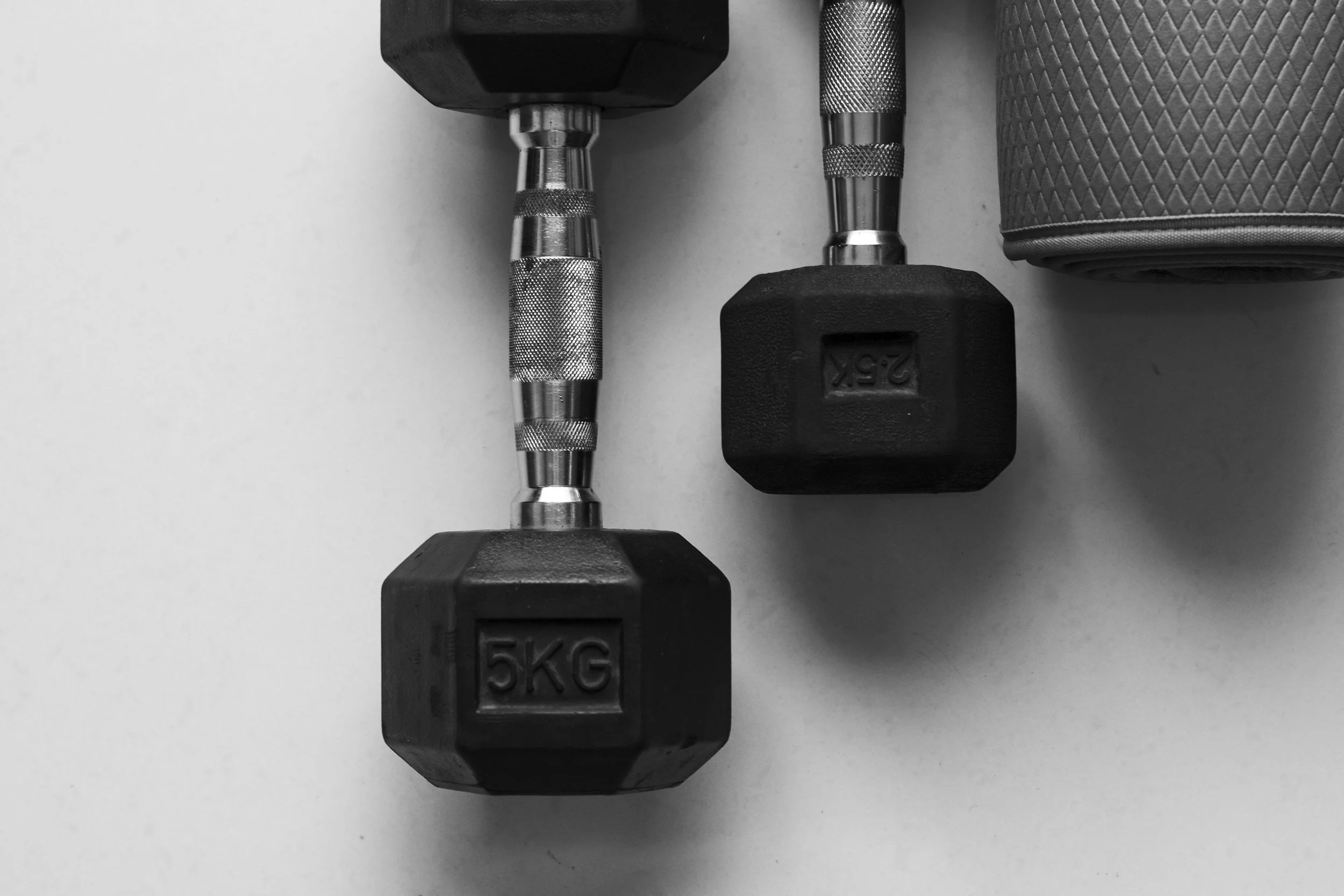
Travel disrupts routines. Flights get delayed, meetings run long, and the hotel gym—if there is one—closes at 9 p.m. But fitness doesn't have to be another casualty of life on the road. Dumbbells offer a practical solution: they're compact, versatile, and effective enough to maintain strength and conditioning between time zones.
Unlike machines or barbells, dumbbells require minimal space and can be adapted to nearly any fitness level. A pair of adjustable dumbbells in a hotel room or Airbnb can replicate much of what you'd accomplish in a full gym. The key is knowing how to use them efficiently.
Dumbbell training delivers several advantages for travelers:
Portability: Adjustable dumbbells or resistance bands paired with hotel-provided weights fit into tight quarters.
Versatility: From compound movements to isolation exercises, dumbbells target every major muscle group.
Time efficiency: A focused 20-30 minute session can maintain strength and metabolic conditioning without monopolizing your schedule.
Why Strength Training Matters on the Road
Strength training with dumbbells does more than preserve muscle mass. Research published in Current Sports Medicine Reports shows that resistance training improves metabolic health, bone density, and functional capacity—benefits that compound over time, even with intermittent training.
Key physiological benefits include:
Muscle retention: Regular resistance work prevents the muscle loss that often accompanies irregular training schedules or caloric deficits while traveling.
Metabolic support: Strength training elevates resting metabolic rate, helping offset the dietary unpredictability of travel.
Bone health: Weight-bearing exercises stimulate bone remodeling, which is particularly important for aging travelers or those with sedentary work.
Mental clarity: Exercise triggers endorphin release and reduces cortisol, countering the stress and fatigue that accumulate during extended trips.
Maintaining a workout routine while traveling isn't just about physical maintenance—it's a psychological anchor. Consistency in one area of life can create stability when everything else feels transient.
Building a Total Body Dumbbell Routine
A well-designed total body workout hits all major movement patterns: squat, hinge, push, pull, and carry. This approach maximizes efficiency, allowing you to train the entire body in a single session—ideal when time and equipment are limited.
Here's a foundational routine that requires only a pair of dumbbells:
Goblet Squats: Hold one dumbbell vertically at chest height. Descend into a squat, keeping your torso upright and knees tracking over toes. Drive through your heels to stand. Perform 3 sets of 12-15 reps.
Single-Arm Dumbbell Rows: Hinge at the hips with one hand braced on a bench or bed. Row the dumbbell to your hip, keeping your elbow close to your body. Complete 3 sets of 10-12 reps per side.
Dumbbell Floor Press: Lie on your back with knees bent. Press dumbbells from chest level to full extension, controlling the descent. Aim for 3 sets of 10-12 reps.
Romanian Deadlifts: Hold dumbbells in front of your thighs. Hinge at the hips, lowering the weights to mid-shin while maintaining a neutral spine. Return to standing by driving your hips forward. Complete 3 sets of 12-15 reps.
Overhead Press: Press dumbbells from shoulder height to full extension overhead. Lower with control. Perform 3 sets of 10-12 reps.
Rest 60-90 seconds between sets. If you're short on time, reduce rest periods to 30-45 seconds and treat the workout as a circuit.
Targeted Exercises for Full-Body Development
Beyond the basics, certain dumbbell exercises offer unique benefits for building strength and coordination. These movements can be rotated into your routine to prevent adaptation and maintain engagement.
Renegade Rows: Start in a plank position with hands gripping dumbbells. Row one dumbbell toward your hip while stabilizing your torso. Alternate sides for 8-10 reps per arm. This exercise challenges core stability while training the back and shoulders.
Bulgarian Split Squats: Elevate your rear foot on a bed or chair. Lower into a lunge, keeping your front knee aligned with your ankle. Press through your front heel to return to standing. Complete 10-12 reps per leg.
Arnold Press: Begin with dumbbells at shoulder height, palms facing you. As you press overhead, rotate your palms forward. Reverse the motion on the descent. Perform 10-12 reps.
Farmer's Carry: Hold heavy dumbbells at your sides and walk for 30-60 seconds. This simple exercise builds grip strength, core stability, and postural endurance.
Proper form is non-negotiable. Poor technique not only limits results but increases injury risk—especially problematic when you're far from home. The ACE Exercise Library provides detailed form cues for hundreds of movements.
The 20-Minute Full-Body Protocol
When time is scarce, a focused 20-minute session can maintain fitness without derailing your schedule. This protocol emphasizes compound movements and minimal rest to maximize efficiency.
Here's a sample workout:
Dumbbell Thrusters: 3 sets of 10 reps. Combine a front squat with an overhead press in one fluid motion.
Push-Up to Row: 3 sets of 8 reps per side. Perform a push-up, then row one dumbbell to your hip. Alternate arms.
Reverse Lunges: 3 sets of 10 reps per leg. Step back into a lunge, then drive through your front heel to return to standing.
Dumbbell Deadlifts: 3 sets of 12 reps. Hinge at the hips and lower the weights to mid-shin, then return to standing.
Plank Dumbbell Drag: 3 sets of 30 seconds. Hold a plank and drag a dumbbell from one side of your body to the other, engaging your core throughout.
Rest 30-45 seconds between sets. To increase difficulty, add weight or reps. To scale down, reduce the load or extend rest periods. For those who prefer a more structured approach to training, Dumbbells.com provides equipment guides, exercise resources, and workout templates geared toward travelers and home gym enthusiasts. Comparable companies such as Bowflex and PowerBlock also offer educational content and training resources designed to help users make the most of their fitness equipment and maintain consistent workout routines.
Circuit Training for Hotel Rooms
Circuit training condenses strength and conditioning into a single session by performing exercises back-to-back with minimal rest. This format is ideal for small spaces and limited time—common constraints when traveling.
Here's a hotel-room-friendly circuit:
Goblet Squats: 12 reps
Renegade Rows: 10 reps per arm
Dumbbell Lunges: 10 reps per leg
Overhead Press: 12 reps
Russian Twists: 15 reps per side
Complete the circuit 3-4 times, resting 90-120 seconds between rounds. The goal is to maintain intensity throughout—if form deteriorates, reduce the weight or extend rest periods.
Circuit training elevates heart rate while building strength, making it a time-efficient option for maintaining fitness on the road. The Mayo Clinic's strength training guide outlines proper progression and recovery strategies to avoid overtraining.
Programming for Muscle Growth
Building muscle with dumbbells requires progressive overload—gradually increasing the demands placed on your muscles over time. This can be achieved by adding weight, increasing reps, or reducing rest periods.
Key principles for hypertrophy-focused training:
Volume: Aim for 10-20 sets per muscle group per week, distributed across multiple sessions.
Intensity: Train within 1-3 reps of failure on most sets to maximize muscle fiber recruitment.
Exercise variety: Rotate movements every 4-6 weeks to prevent adaptation and target muscles from different angles.
Recovery: Muscle growth occurs during rest, not training. Prioritize sleep and nutrition, especially protein intake.
Nutrition plays a critical role in muscle development. Adequate protein—roughly 0.7-1 gram per pound of body weight—supports muscle protein synthesis. The Harvard Health Publishing provides evidence-based guidance on protein intake and supplementation.
Integrating Dumbbells into a Balanced Training Plan
Dumbbell training is a tool, not a complete program. A well-rounded fitness plan includes strength work, cardiovascular conditioning, mobility training, and recovery. Dumbbells fit naturally into this framework, offering a scalable way to maintain strength regardless of location.
Consider this weekly structure for travelers:
Day 1: Total body dumbbell workout (45 minutes)
Day 2: Cardiovascular training—running, cycling, or swimming (30 minutes)
Day 3: Active recovery—yoga, stretching, or walking (20-30 minutes)
Day 4: Dumbbell circuit workout (30 minutes)
Day 5: Cardiovascular intervals or sport-specific training (30 minutes)
Day 6: Full-body dumbbell session (45 minutes)
Day 7: Rest or light activity
This structure balances intensity with recovery, allowing you to maintain fitness without overtraining. Adjust volume and frequency based on your schedule, stress levels, and recovery capacity.
Consistency matters more than perfection. A 20-minute workout completed three times per week will yield better results than an ambitious plan that gets abandoned after two weeks. The goal isn't to replicate your home gym routine—it's to maintain momentum until you return.
