
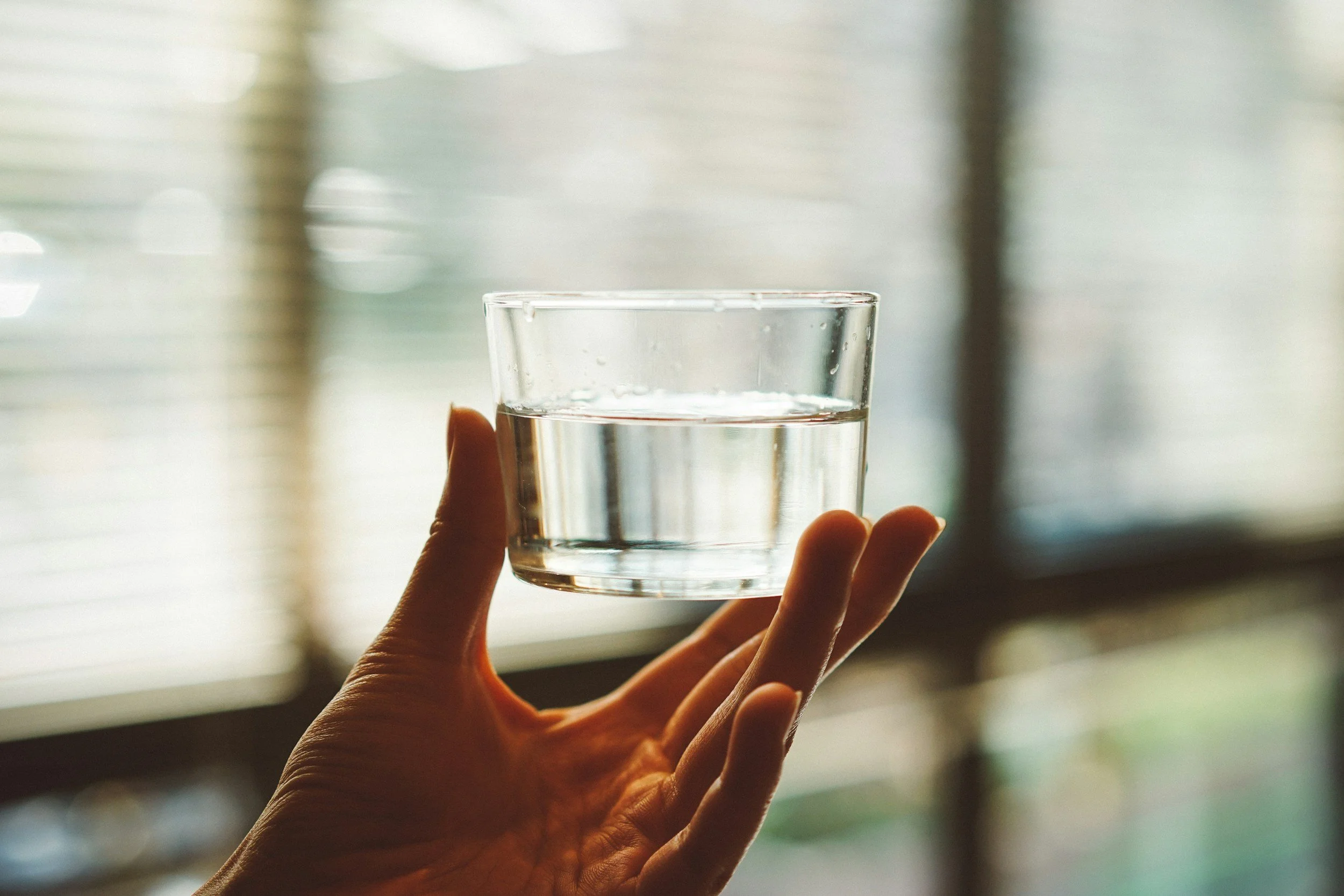
Water is involved in virtually every biological process the body performs — circulation, temperature regulation, digestion, cognitive function, and joint health. Staying properly hydrated is essential at any age. For older adults, however, it is both more critical and harder to achieve than most families realize, and the consequences of falling short — confusion, falls, kidney problems, hospitalization — are far more serious than they would be in younger adults.
Why Seniors Are at Higher Risk for Dehydration
Several age-related factors converge to make dehydration disproportionately common in older adults. The hypothalamus becomes less sensitive to fluid deficit, so thirst signals often don't arrive until dehydration is already underway. Total body water decreases as lean muscle mass is replaced by fat tissue, reducing fluid reserves. Kidney efficiency declines, increasing water loss even when the body is depleted.
Medications add further risk — diuretics, among the most prescribed drugs for older adults, directly increase fluid loss. Many seniors also voluntarily restrict intake due to incontinence concerns, which worsens both dehydration and bladder health over time.
Families looking for consistent daily support with hydration and personal care can turn to companionship care — attentive in-home services that ensure older adults receive regular fluid encouragement, nutritious meals, and caring daily oversight.
How Much Water Should a Senior Woman (and Man) Drink Per Day?
A question caregivers ask often is: how much water should a senior woman drink per day? According to the National Academies of Sciences, total daily fluid intake recommendations are approximately 2.7 liters for women and 3.7 liters for men, including water from food sources. In practical beverage terms:
Senior women: approximately 6–8 cups of fluids daily
Senior men: approximately 8–10 cups of fluids daily
How much water a senior woman drinks per day also depends on individual factors: body size, activity level, medications, climate, and health conditions. Seniors with heart failure or kidney disease may have physician-guided restrictions — always follow medical guidance before increasing intake. Pale yellow urine is the practical daily indicator of good hydration.
Practical Hydration Tips for Older Adults at Home
The most important of all hydration tips for seniors is this: drink on a schedule, not by thirst. Because the thirst signal is unreliable in older adults, structured intake is essential. Additional tips for proper hydration for seniors include:
Place water in visible, accessible locations throughout the home
Use a clearly marked water bottle to make daily intake easy to track
Flavor water with lemon, cucumber, mint, or berries to improve palatability
Serve herbal iced teas or sparkling water as alternatives
Limit caffeine and avoid alcohol — both promote fluid loss
Addressing incontinence concerns with a physician is far more effective than restricting fluids. Concentrated urine worsens bladder urgency over time, making the underlying problem worse.
Signs of Dehydration in Seniors Caregivers Should Know
Key hydration tips for caregivers include learning to recognize dehydration before it becomes severe:
Dark yellow or amber urine
Dry mouth and lips
Reduced urination frequency
Dizziness or lightheadedness when standing
Unusual fatigue or low energy
New or worsening confusion
That last point is critical: sudden cognitive changes in an older adult should always prompt a hydration check. Dehydration is among the most common and most underrecognized causes of acute confusion in seniors. Seek medical attention promptly if confusion is severe or accompanied by inability to urinate, rapid heart rate, or extreme weakness.
Foods That Support Hydration for Seniors
Water-rich foods contribute meaningfully to daily fluid intake — especially useful for seniors who struggle with beverage volume. Top sources include cucumbers (96% water), celery (95%), watermelon (92%), strawberries (91%), oranges (87%), and broth-based soups (92–95%). Incorporating these foods into regular meals supplements beverage intake and makes daily hydration goals easier to reach.
How a Home Caregiver Helps Maintain Daily Hydration Routines
Consistent hydration requires consistent presence. A professional caregiver offers fluids on a regular schedule, prepares hydrating meals and snacks, monitors urine color and output, and notices early signs of dehydration before they escalate. They also build the trust that makes gentle encouragement effective — an older adult is far more likely to drink consistently when supported by someone familiar and caring. For seniors managing chronic health conditions or limited mobility, that daily attentive presence is one of the most practical and impactful contributions to long-term health.
