
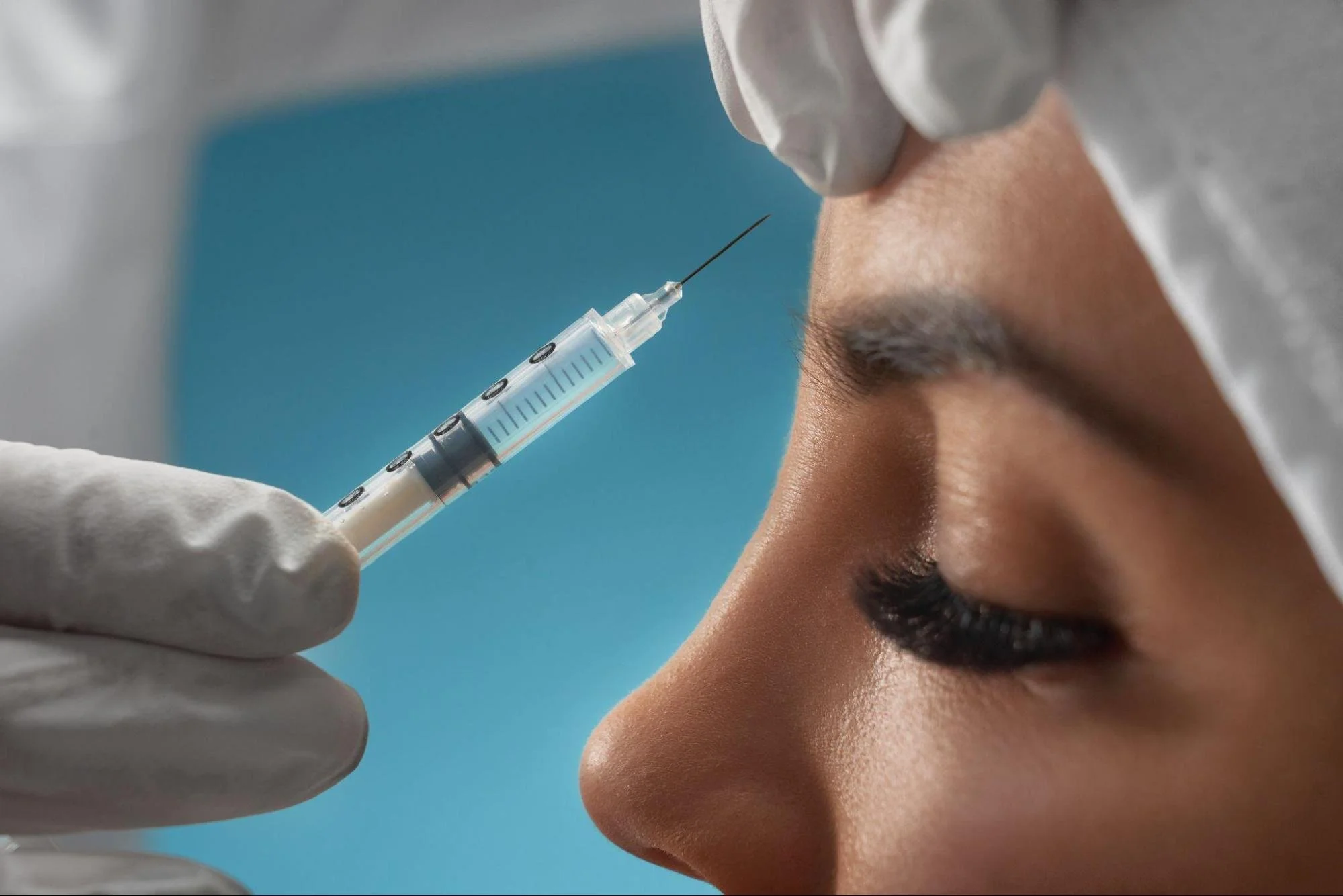
Injector training is the structured education that prepares licensed healthcare professionals to perform Botox and dermal filler treatments safely and effectively. It combines facial anatomy, injection technique, patient assessment, and complication management with supervised hands-on practice. A clinical background is a strong foundation, but placing toxin or filler in the face calls for a level of anatomical precision and aesthetic judgment that most clinical roles never teach.
This article explains what aesthetic injector education covers and why each part matters for nurses, nurse practitioners, physician assistants, physicians, and dentists entering the field. For readers comparing options, programs offering structured injector training, such as those at Injector Training Academy, a dedicated medical aesthetic training academy, show what a well-rounded curriculum can look like.
The Growing Demand for Qualified Aesthetic Injectors
Injectables remain among the most requested aesthetic treatments worldwide. Botox and other neuromodulators soften expression lines, while dermal fillers restore lost volume and contour. Patients value them for their quick appointments, minimal downtime, and natural-looking results, which keeps demand steady year after year.
Much of this work now happens outside plastic surgery offices. Medical spas, dermatology clinics, and nurse-led practices perform a large share of these treatments. That shift creates real career opportunities for licensed professionals.
It also raises the stakes. As more clinicians enter the field, patients and employers look for clear evidence of competence. A license shows you can practice medicine or nursing. Specialized education shows you can practice aesthetics.
Medaesthetics Training Starts With Facial Anatomy
Good medaesthetics training begins with the face as a three-dimensional structure. Injectors need to know where muscles sit, how they move, and what lies beneath them.
This matters because the face is packed with blood vessels and nerves in small spaces. The angular artery near the nose and the supratrochlear artery in the glabella (the area between the eyebrows) are well-known danger zones for filler.
Core Anatomy Topics
Muscles of facial expression: how the frontalis, corrugator, and orbicularis oculi create lines, and how toxin placement changes their movement
Vascular anatomy: the location and depth of major facial arteries and veins
Nerve pathways: sensory and motor nerves that affect comfort and function
Fat pads and bone structure: how age-related volume loss changes facial shape
Injection Technique and Treatment Planning
Technique covers depth, angle, volume, and product choice. A neuromodulator for frown lines is placed very differently from a filler for cheek volume.
Treatment planning ties it together. A trained injector assesses facial balance, considers the patient's goals, and builds a plan that may span several visits. Learning to say "less is better today" is a clinical skill in itself.
Why Hands-On Practice Matters in Injector Training
Reading about injection depth is not the same as feeling it. Supervised practice turns theory into steady, repeatable technique.
Studies of experienced injectors suggest that complication risk, including vascular occlusion (a blocked blood vessel), tends to fall as clinicians gain more years and more volume of practice.
If experience lowers risk even among seasoned specialists, new injectors clearly benefit from building that experience under supervision rather than alone.
What Effective Practical Training Includes
Live demonstrations by experienced instructors
Injecting real patients under direct supervision
Small class sizes so each learner gets feedback
Practice with both neuromodulators and fillers across several facial areas
Debriefs that review what went well and what to adjust
A nurse who has marked injection points on a live model, felt resistance in different tissue layers, and corrected technique in real time leaves far better prepared than one who only watched videos.
Patient Safety, Assessment, and Complication Awareness
Safe treatment starts before the needle touches skin. A thorough consultation screens out patients who should not be treated and sets honest expectations for those who should.
Key Parts of Patient Assessment
Reviewing medical history, current medications, and allergies
Identifying contraindications such as active skin infection, pregnancy, or certain neuromuscular conditions
Discussing realistic outcomes, downtime, and how long results last
Obtaining documented informed consent
Taking baseline photographs
Recognizing and Managing Complications
Serious complications are rare but real. A Dutch referral-based study estimated vascular occlusion at roughly 1 in 6,558 filler treatments.
Most events resolve without lasting harm when caught early. Training should teach injectors to spot early warning signs such as blanching, mottled skin, or unusual pain. It should also cover emergency protocols, including when and how to use hyaluronidase, an enzyme that dissolves hyaluronic acid filler.
Minor issues matter too. Bruising, swelling, asymmetry, and eyelid droop after toxin are more common and shape patient trust.
Scope of Practice and Ongoing Professional Development
Who can inject, and under what supervision, varies by state and by license. A registered nurse may need a physician or nurse practitioner to assess the patient and delegate treatment. A nurse practitioner's independence depends on state law. Some states also set rules for medical spa ownership and medical director oversight.
Quality training explains these rules, but each professional remains responsible for checking current requirements with their own licensing board.
Learning also does not stop after a first course. New products, techniques, and safety guidance appear regularly. Many experienced injectors move from foundational toxin and filler courses into advanced topics such as lip anatomy, cannula technique, or complication management.
Ongoing education keeps skills current and supports career growth, whether that means joining a med spa, adding aesthetics to an existing practice, or eventually opening one.
What Aspiring Injectors Should Keep in Mind
Key Insights
A healthcare license is a starting point, not proof of aesthetic competence
Anatomy knowledge is the foundation of both good results and patient safety
Supervised, hands-on experience is linked to lower complication risk
Strong consultations prevent many problems before treatment begins
Limitations to Be Aware Of
A single weekend course rarely builds full confidence on its own
Certificates are not state licenses and do not expand scope of practice
Training quality varies widely between programs
Complication data comes mostly from experienced physicians, so risk for new injectors may be higher
Practical Steps to Get Started
Confirm what your license allows in your state.
Choose a program with live-patient practice and small class sizes.
Start with foundational toxin and filler training before advanced techniques.
Find a mentor or supervised setting for your first months of practice.
Plan for continuing education every year.
Conclusion
Aesthetic injecting sits where medicine meets artistry. The artistry draws people in, but the medicine keeps patients safe. Professional injector training is what connects the two, giving clinicians the anatomy, technique, judgment, and safety habits that a general healthcare background does not fully provide.
The best injectors rarely see training as a box to tick. They treat it as the first chapter of a long practice. So the real question for anyone entering this field is not only "Am I qualified to inject?" but "Am I prepared for the face in front of me, including the day something does not go as planned?"
