
Ivermectin and Integrative Medicine: What Holistic Health Practitioners Should Know
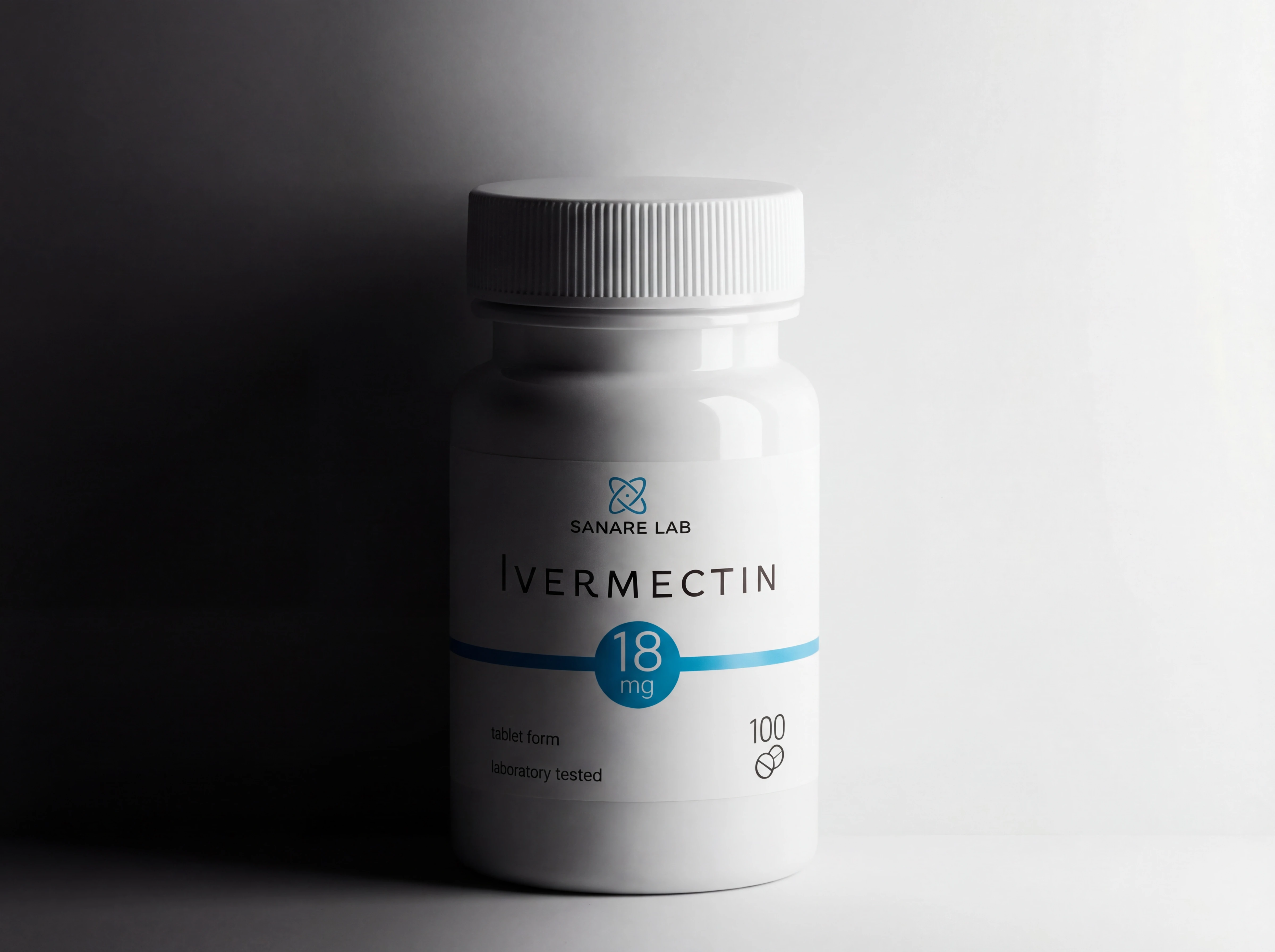
For decades, ivermectin has been recognized as one of the most important antiparasitic medications in medical history. Its discovery led to the 2015 Nobel Prize in Physiology or Medicine, and it remains on the World Health Organization's List of Essential Medicines. Originally developed to treat river blindness and lymphatic filariasis, this compound has since been used billions of times worldwide with a well-documented safety profile.
In recent years, however, the conversation around ivermectin has expanded significantly. Researchers have begun investigating its potential roles beyond parasitology, including its effects on cellular pathways related to inflammation, immune modulation, and even tumor biology. For practitioners in integrative and holistic medicine, these developments represent an important area of evolving knowledge.
Understanding How Ivermectin Works at the Cellular Level
Ivermectin's primary mechanism involves binding to glutamate-gated chloride channels in parasitic organisms, causing paralysis and death of the parasite. However, laboratory studies have revealed additional biological activities that extend beyond antiparasitic function.
Preclinical research has identified several pathways through which ivermectin may exert effects on mammalian cells. These include inhibition of the PAK1 kinase pathway, modulation of nuclear transport mechanisms, and potential influence on mitochondrial function. While these findings are still largely confined to laboratory settings, they have generated considerable interest among researchers studying drug repurposing strategies.
Ivermectin in the Context of Integrative Health Approaches
Integrative medicine emphasizes treating the whole person and often incorporates evidence from multiple disciplines. As research into repurposed medications continues to evolve, holistic practitioners are increasingly asked about compounds like ivermectin by patients who have encountered these studies online.
It is important to distinguish between approved medical uses and investigational applications. Ivermectin is FDA-approved for specific parasitic conditions in humans, including strongyloidiasis and onchocerciasis. Any use beyond these approved indications should be considered experimental and discussed with qualified medical professionals.
For those interested in the compound's broader research profile, several clinical trials are underway. One notable example is trial NCT05318469 at Cedars-Sinai Medical Center, which is investigating the combination of ivermectin with immune checkpoint inhibitors in certain cancer types.
Quality and Sourcing Considerations
As with any compound being explored in health and wellness contexts, the quality and purity of ivermectin products matter significantly. Not all available products are manufactured to the same standards, and contaminants or inconsistent dosing can pose risks.
For those researching ivermectin, products like ivermectin 6 mg tablets from verified manufacturers provide a standardized, lab-tested option. Key quality indicators include third-party certificates of analysis, documented purity levels above 99%, and adherence to Good Manufacturing Practices.
Practitioners should encourage patients to seek products from transparent sources that provide verifiable testing documentation rather than unregulated alternatives of uncertain provenance.
The Importance of Evidence-Based Decision Making
While the research landscape around ivermectin continues to develop, holistic health practitioners have a responsibility to distinguish between established evidence and preliminary findings. The compound's long safety record in approved uses is well-documented, but extrapolating from preclinical studies to clinical recommendations requires caution.
Several factors should guide practitioners in discussing ivermectin with patients:
- Approved uses: Ivermectin has clear, evidence-based applications in treating parasitic infections. These remain the primary medical context for the compound.
- Investigational research: Studies exploring anticancer and immunomodulatory properties are ongoing but remain in early stages. Results from laboratory studies do not automatically translate to clinical benefits.
- Drug interactions: Ivermectin can interact with other medications, particularly those metabolized by the CYP3A4 enzyme pathway. Comprehensive medication review is essential.
- Patient communication: Open, honest dialogue about the current state of evidence helps patients make informed decisions about their health strategies.
Looking Forward: What the Research May Reveal
The scientific community continues to explore ivermectin's broader biological properties through rigorous clinical trials and laboratory investigations. For integrative medicine practitioners, staying informed about these developments allows for more nuanced conversations with patients.
As the evidence base grows, the medical community will be better positioned to determine whether ivermectin's laboratory-observed properties translate into meaningful clinical applications beyond its established antiparasitic uses. Until then, a balanced approach that respects both the compound's proven track record and the limitations of current research serves practitioners and patients alike.
