
Methylene Blue as a Visualization Tool in Scientific Research
This is a contributed post.
Visualization plays a critical role in scientific research. Many processes, reactions, and structures cannot be observed directly without additional tools that improve clarity and contrast. Methylene blue has become one of the most commonly used compounds for this purpose due to its strong color, stability, and predictable behavior in different environments.
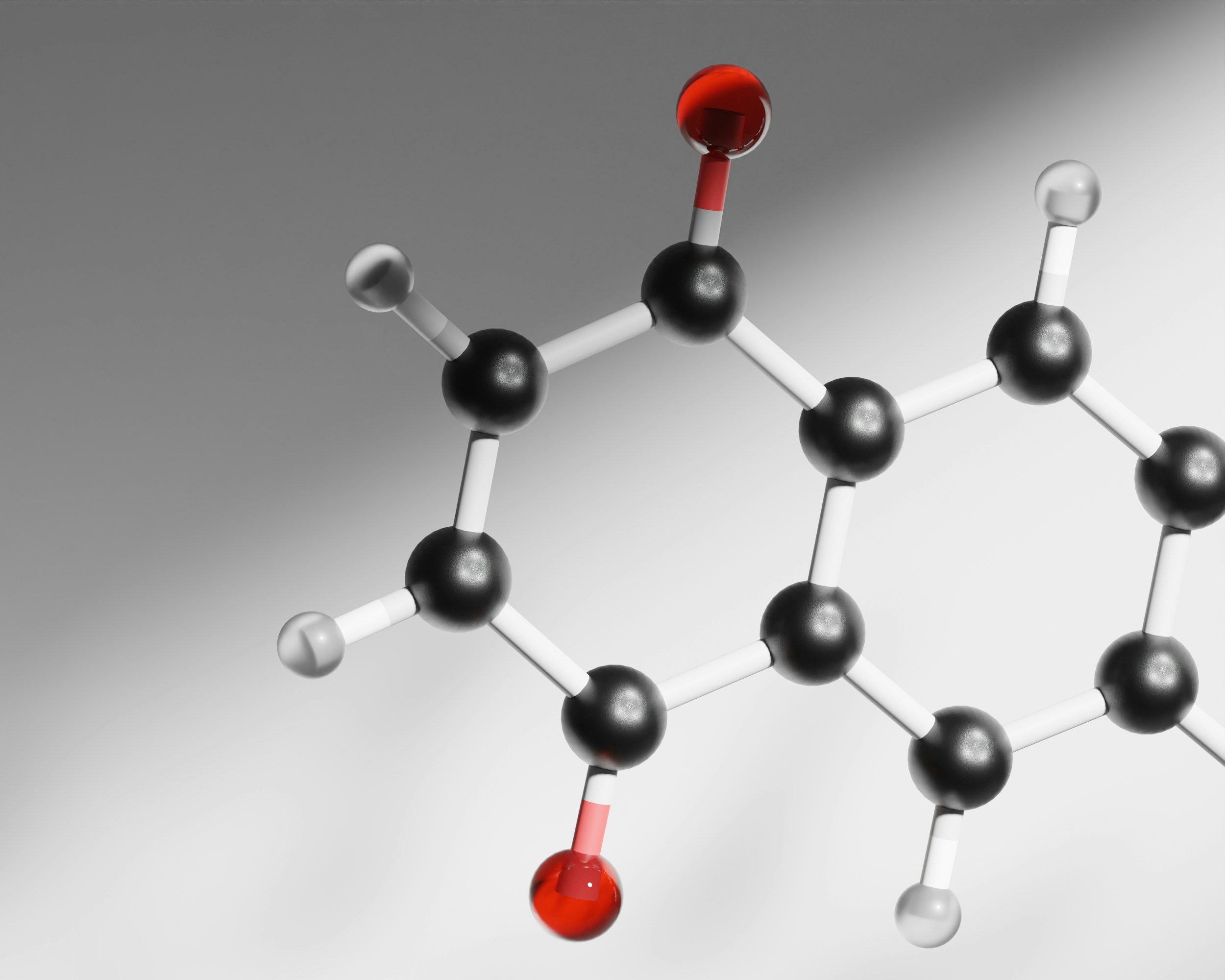
One of the main challenges researchers face is identifying boundaries, movements, or changes within complex systems. Methylene blue helps solve this problem by making otherwise invisible elements visible. When introduced into a system, it clearly highlights specific areas, allowing scientists to track processes in real time and analyze results with greater accuracy.
In laboratory research, methylene blue is frequently used to enhance visual contrast during observation. It allows researchers to distinguish structures, layers, or components that may blend together under normal conditions. This improved visibility reduces the likelihood of misinterpretation and supports more reliable data collection, especially in experiments where precision is essential.
Another important advantage of methylene blue is its consistency. Its visual response remains stable under controlled conditions, which makes it suitable for repeated experiments and long-term studies. Researchers can rely on consistent color behavior when comparing results over time, helping maintain accuracy and reproducibility across multiple tests.
Methylene blue is also valued for its versatility. It can be applied in a wide range of scientific fields, including chemistry, biology, and environmental research. Whether used to observe fluid movement, demonstrate reaction pathways, or support educational demonstrations, it adapts well to different research needs without requiring complex preparation.
Efficiency is another reason methylene blue is widely chosen as a visualization tool. Small amounts are often sufficient to achieve clear and readable results. This makes it a practical and cost-effective option for laboratories and research institutions that require reliable tools without excessive resource consumption.
Beyond practical benefits, methylene blue supports better communication of scientific findings. Clear visual representation helps researchers explain processes more effectively, whether in academic publications, presentations, or educational materials. Improved visualization enhances understanding not only among specialists but also among students and broader audiences.
In conclusion, methylene blue serves as a dependable visualization tool in scientific research. By improving clarity, supporting accuracy, and offering consistent performance, it helps researchers better understand complex systems and processes. Its adaptability and efficiency ensure that it remains a valuable resource in modern scientific work.
Related:
