
Powerful Steps You Can Take Today to Spot Early Signs of Vision Decline in Yourself and Your Family
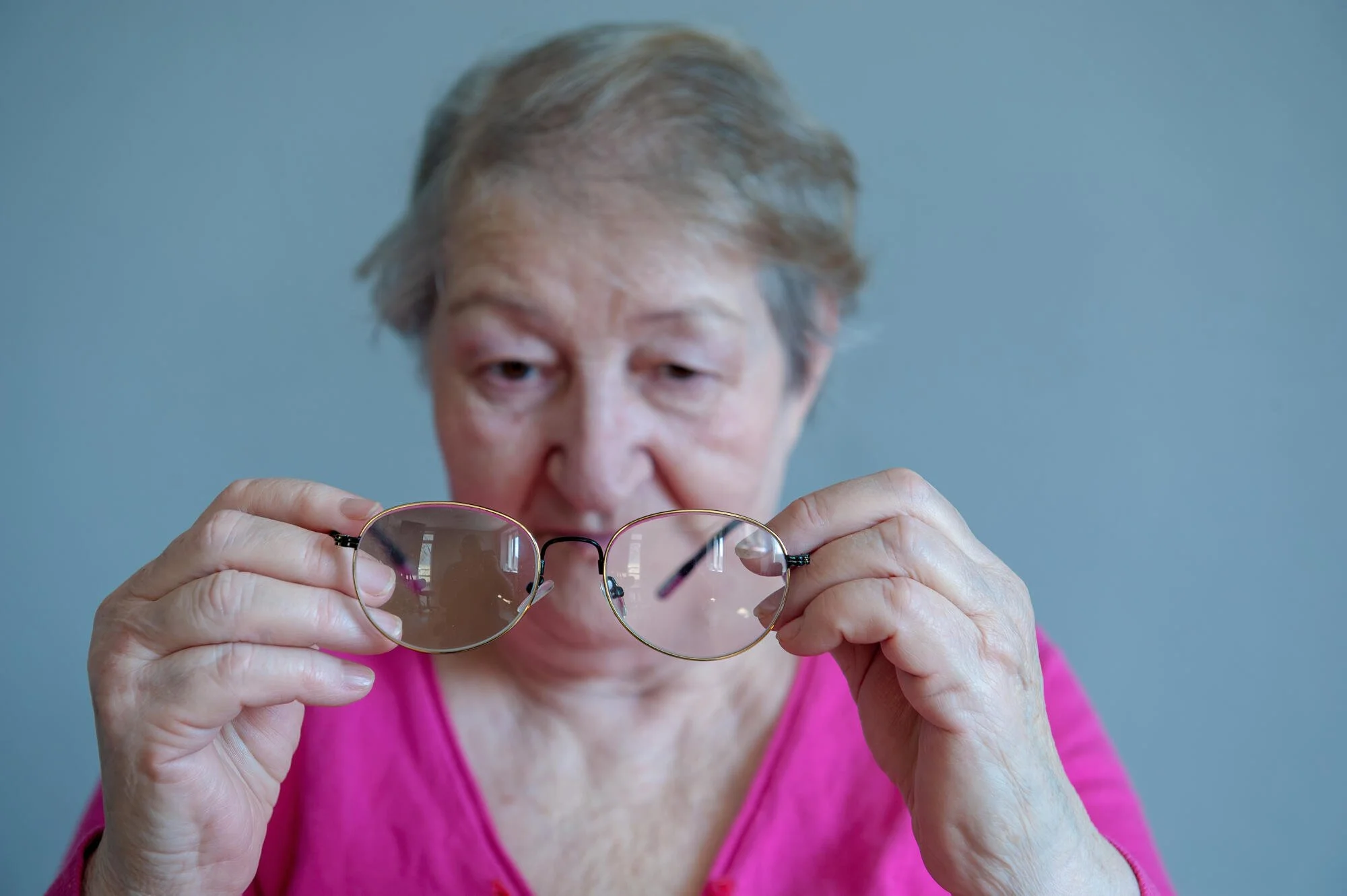
Early vision decline can be difficult to recognize because changes often happen gradually. You might notice more glare while driving at night, struggle to read small print, or find yourself turning up your phone's brightness. Although occasional eye fatigue is common, persistent vision changes can signal an underlying condition that deserves professional attention.
Recognizing the difference between temporary discomfort and progressive vision loss is especially important for households managing their own health while caring for aging parents or other family members. Conditions such as cataracts, glaucoma, and age-related macular degeneration can affect everyday activities, and some may cause lasting damage if left untreated.
Fortunately, a few practical habits can help families identify potential problems earlier and seek appropriate care. From tracking subtle symptoms to scheduling comprehensive eye exams, taking action today can help protect long-term vision and preserve independence.
Recognize the Early Signs of Vision Decline
Vision changes do not always begin with noticeably blurry eyesight. Sometimes, the first clues appear during familiar activities, such as reading a menu, recognizing faces across a room, or driving after sunset.
Pay attention to changes that persist or become more noticeable over time. Common warning signs include:
Increased glare from headlights
Difficulty seeing in dim lighting
Blurry or hazy vision
Colors appearing less vibrant
Frequent changes in eyeglass prescriptions
Trouble reading despite adequate lighting
Several of these symptoms can be associated with cataracts, which develop when the eye's natural lens becomes cloudy. People experiencing these changes may benefit from learning about cataract surgery in Bonita Springs, FL through Florida Vision Centers, which provides a starting point for exploring regional eye care services and potential treatment options.
Understand the Difference Between Eye Strain and Structural Changes
Temporary eye strain often develops after prolonged screen use, extended reading, or working in poor lighting. Symptoms may include tired eyes, headaches, dryness, and temporary difficulty focusing, which can improve with breaks or changes to the viewing environment.
Progressive vision changes are different because they may persist even after resting your eyes. Cataracts, for example, involve changes to the natural lens itself, so simply reducing screen time or purchasing stronger reading glasses will not remove the underlying cloudiness.
Families should avoid assuming every vision complaint is simply part of getting older. Persistent symptoms deserve a professional evaluation, particularly when they interfere with driving, reading, recognizing faces, or completing everyday tasks.
Make Comprehensive Eye Exams a Priority
A comprehensive eye exam can identify problems that are difficult to detect through everyday observation alone. An eye care professional can evaluate visual acuity, examine the structures of the eye, and look for signs of conditions that may not cause obvious symptoms in their early stages.
Adults should follow an examination schedule recommended for their age, medical history, and individual risk factors. People with diabetes, a family history of certain eye diseases, or existing vision problems may need more frequent evaluations.
When arranging appointments for yourself or an aging family member, keep a short record of recent changes. Useful details include when symptoms started, whether one or both eyes are affected, and which activities have become more difficult.
Help Family Members Protect Their Vision
Family health tips often focus on nutrition, exercise, and routine medical appointments, but vision deserves the same attention. Older relatives may gradually adapt to worsening eyesight without realizing how much their daily routines have changed.
A supportive conversation can help identify concerns without making someone feel that their independence is being questioned. Ask whether they have noticed trouble reading medication labels, navigating unfamiliar places, or driving comfortably at night, and offer to help arrange an eye appointment if needed.
Families can also encourage habits that support long-term eye health, including:
Wearing sunglasses that block UV rays
Taking regular breaks from screens
Managing diabetes and blood pressure
Eating a balanced diet
Avoiding tobacco use
Keeping up with recommended eye exams
These habits cannot prevent every eye condition, but they can contribute to overall health and help people stay engaged in their care.
Explore Treatment Options When Vision Changes Persist
When an examination identifies a specific condition, the next step is to discuss appropriate treatment with an eye care professional. Options vary depending on the diagnosis and may include updated corrective lenses, prescription medication, monitoring, or corrective eye procedures.
For cataracts, surgery may be recommended when lens clouding begins to interfere significantly with daily activities. During the procedure, the cloudy natural lens is removed and replaced with an artificial intraocular lens, with the goal of improving vision.
Modern cataract surgery is commonly performed as an outpatient procedure, although individual preparation, recovery, and results vary. An ophthalmologist can explain the expected benefits, possible risks, lens choices, and follow-up care based on the patient's specific needs.
Take Action Before Small Changes Become Bigger Problems
Recognizing early vision loss starts with noticing patterns rather than dismissing individual symptoms. Increasing night glare, persistent blurriness, and difficulty distinguishing colors are all reasons to consider a professional assessment, especially when the changes are new or worsening.
Families can make a meaningful difference by discussing symptoms openly, arranging regular examinations, and helping loved ones navigate treatment decisions. With timely evaluation and appropriate care, many vision problems can be managed effectively, and treatments such as cataract surgery can help eligible patients regain clearer sight and greater confidence in everyday life.
