
Prebiotic: Why Feeding Your Gut Bacteria Matters for Better Health
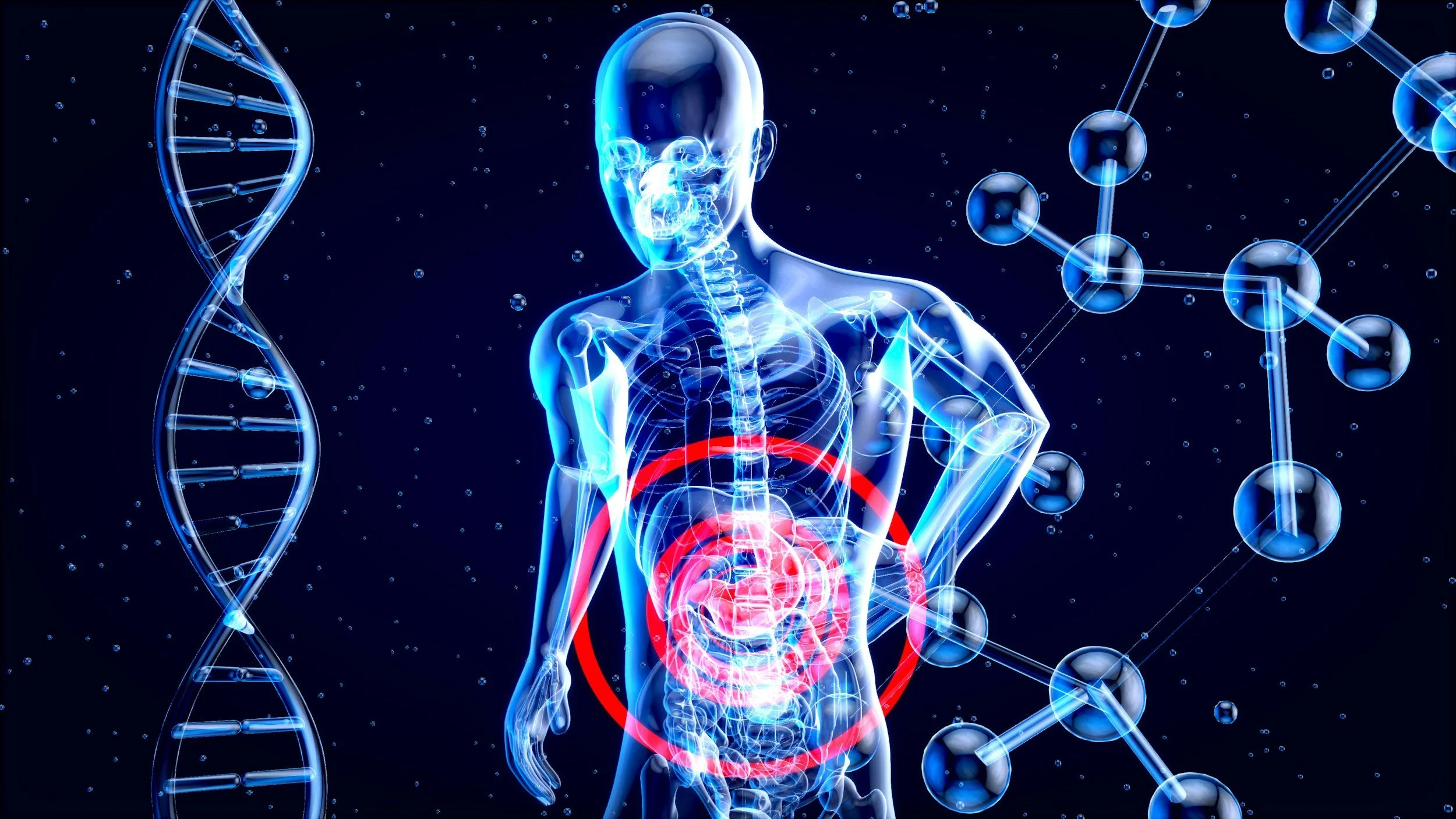
Your gut is home to trillions of bacteria that help support digestion, nutrient absorption, and many other important functions throughout your body. While probiotics often receive most of the attention, they are only one part of the picture. The beneficial bacteria already living in your digestive system also need the right nutrients to grow and thrive.
That is where a prebiotic comes in. Instead of adding new bacteria to your gut, a prebiotic nourishes the beneficial bacteria that are already there. Understanding this simple difference can help you make better choices for your digestive health and overall wellness.
Food will always be the foundation, but a little extra support can help on busy days. That is why some people pair their meals with gut health supplements to stay consistent when their diet falls short. Choosing a quality option from a trusted brand makes it easier to keep your routine on track over the long run.
Supporting your gut does not have to be complicated. Small, consistent habits often make the biggest difference over time.
What Is a Prebiotic and How Does It Work?
Gut health depends on maintaining a healthy balance of beneficial bacteria. While probiotics introduce live bacteria, prebiotics help feed those existing bacteria so they can continue doing their job.
Learning how this relationship works makes it easier to understand why both are important.
Understanding what a prebiotic is
A prebiotic is a type of fiber that your body cannot digest. Instead of being absorbed like other nutrients, it travels through your digestive system until it reaches your colon.
Once there, beneficial bacteria use these fibers as a food source. This helps them grow, multiply, and continue supporting your digestive system.
Rather than working directly on your body, prebiotics support the healthy bacteria that already live inside you.
How beneficial bacteria use prebiotics
Your gut bacteria rely on a steady supply of nutrients to stay healthy. When beneficial bacteria have enough food, they are better able to maintain a balanced environment in your digestive tract.
As these bacteria break down prebiotic fibers, they produce compounds that help support the health of your digestive system. Researchers continue studying these natural processes and the important role they play in overall wellness.
Different beneficial bacteria thrive on different types of fiber. Eating a variety of fruits, vegetables, legumes, and whole grains helps support a diverse gut microbiome.
This ongoing relationship between prebiotics and beneficial bacteria is one reason why gut health has become an important area of nutrition research.
Why gut balance is important
Your digestive system performs much more than food digestion. It helps your body absorb nutrients, supports normal immune function, and contributes to many everyday processes.
When beneficial bacteria remain balanced, your digestive system is better equipped to perform these important jobs.
Supporting that balance through healthy eating habits can become an important part of maintaining your long-term well-being.
Everyday Benefits of Including a Prebiotic
Healthy habits often work best when they become part of your daily routine. Adding more prebiotic foods is one simple way to support your digestive system naturally.
While results vary from person to person, maintaining healthy gut bacteria offers several potential benefits.
Supporting healthy digestion
One of the best-known roles of prebiotics is supporting normal digestion. Beneficial bacteria use prebiotic fibers as fuel, allowing them to continue helping your digestive system function efficiently.
A healthy digestive environment may support regular bowel movements and greater comfort after meals as part of normal digestive function.
Healthy digestion also helps your body absorb nutrients from the foods you eat, making it an important part of overall wellness.
Many people begin paying more attention to prebiotic foods simply because they want to improve their everyday digestive habits.
Helping maintain a healthy gut microbiome
Your gut microbiome changes throughout your life. Diet, stress, illness, medications, travel, and aging can all influence the balance of bacteria living in your digestive tract.
Regularly eating foods that contain prebiotics helps provide beneficial bacteria with the nourishment they need to thrive.
Supporting this natural balance is one reason nutrition experts often encourage eating a wide variety of fiber-rich foods.
Supporting overall wellness
Good health is built through many healthy choices working together over time. Supporting your gut is one piece of that larger picture.
A balanced digestive system can make it easier to maintain healthy eating habits and enjoy an active lifestyle.
While prebiotics are not a cure or quick fix, they fit well into a long-term approach to supporting overall wellness.
Where Can You Find Prebiotics?
One of the biggest advantages of prebiotics is that they are naturally found in many everyday foods.
Adding more of these foods to your meals can be a simple way to support your digestive health.
Naturally prebiotic-rich foods
Many fruits, vegetables, grains, and legumes naturally contain prebiotic fibers.
Foods such as garlic, onions, leeks, asparagus, bananas, oats, chicory root, apples, and Jerusalem artichokes are well-known sources of prebiotics.
Including a variety of these foods throughout the week helps provide different types of fiber that support a diverse gut microbiome.
Building meals around fiber-rich foods
Adding prebiotic foods does not require a complete change in your diet.
You might include sliced bananas with breakfast, add onions to soups, toss asparagus into a stir-fry, or choose oatmeal as a morning meal. Small adjustments like these are easy to maintain.
Another simple approach is to replace refined grains with whole-grain options or add beans and lentils to soups and salads.
Building meals around whole foods naturally increases both your fiber intake and the variety of nutrients your body receives.
When supplements may be considered
While many people get enough prebiotics from food, supplements are another option for some individuals.
Some supplements contain specific types of prebiotic fiber designed to complement a balanced diet. As with any dietary supplement, it is important to follow the manufacturer's directions and choose products from reputable companies.
For most people, focusing on whole foods remains an excellent place to begin.
Prebiotics and Probiotics: Understanding the Difference
These two terms are often used together, but they describe different things.
Knowing how they work together makes it easier to understand why both are important for gut health.
Different roles, shared goals
A probiotic provides live beneficial bacteria that help support the balance of microorganisms in your digestive tract.
A prebiotic, on the other hand, feeds the beneficial bacteria that are already there.
Although they work differently, both contribute to maintaining a healthy gut environment.
Why they are often used together
Many people choose to include both probiotics and prebiotics as part of their wellness routine.
The idea is simple. Probiotics introduce beneficial bacteria, while prebiotics provide nourishment that helps those bacteria thrive.
Together, they help support a healthy digestive environment as part of a balanced lifestyle.
Creating a balanced gut health routine
Supporting your gut involves much more than taking supplements.
Eating a balanced diet, staying physically active, drinking enough water, managing stress, and getting enough sleep all contribute to maintaining a healthy digestive system.
Prebiotics fit naturally into these everyday habits by supporting the beneficial bacteria that help your gut function normally.
Simple Habits That Support a Healthy Gut
Gut health is built through daily choices rather than dramatic lifestyle changes.
Simple habits practiced consistently often produce the greatest long-term benefits.
Eat a variety of plant foods
Different beneficial bacteria prefer different types of fiber.
Eating a colorful variety of fruits, vegetables, legumes, nuts, seeds, and whole grains helps support a more diverse gut microbiome.
Instead of focusing on one "superfood," aim for variety throughout the week.
Stay consistent with healthy habits
Healthy eating patterns work best when they become part of your normal routine.
Adding more prebiotic-rich foods to your meals a few times each week is often easier than trying to overhaul your entire diet overnight.
Small improvements that become lasting habits usually provide the greatest long-term value. Choosing realistic goals makes it much easier to stay consistent over time.
Support your overall lifestyle
Food is only one part of digestive health.
Regular exercise, quality sleep, proper hydration, and stress management all influence how your digestive system functions.
When these healthy habits work together, they help create an environment where beneficial bacteria can continue to thrive.
Final Thoughts on Choosing More Prebiotic Foods
Supporting your gut starts with understanding what your beneficial bacteria need to stay healthy.
A prebiotic provides nourishment that helps these helpful microorganisms continue supporting your digestive system and overall wellness.
Focus on long-term habits
Good health develops gradually through consistent choices.
Adding more naturally prebiotic foods to your meals is one simple step that can fit into almost any healthy lifestyle.
Small improvements repeated over time often have the greatest impact.
Listen to your body's needs
Everyone's digestive system is different. Factors such as age, activity level, diet, and daily routine all influence your individual needs.
Paying attention to how your body responds can help you build habits that work best for you.
Wellness is personal, and steady progress matters more than perfection.
Build your gut health one meal at a time
Supporting your gut does not require complicated plans or restrictive diets.
Choosing more fiber-rich foods, eating a varied diet, and maintaining consistent healthy habits can all help support the beneficial bacteria living in your digestive system.
Over time, these small choices create a stronger foundation for digestive health and overall well-being.
