
Protect Your Back While Gardening With 7 Helpful Strategies
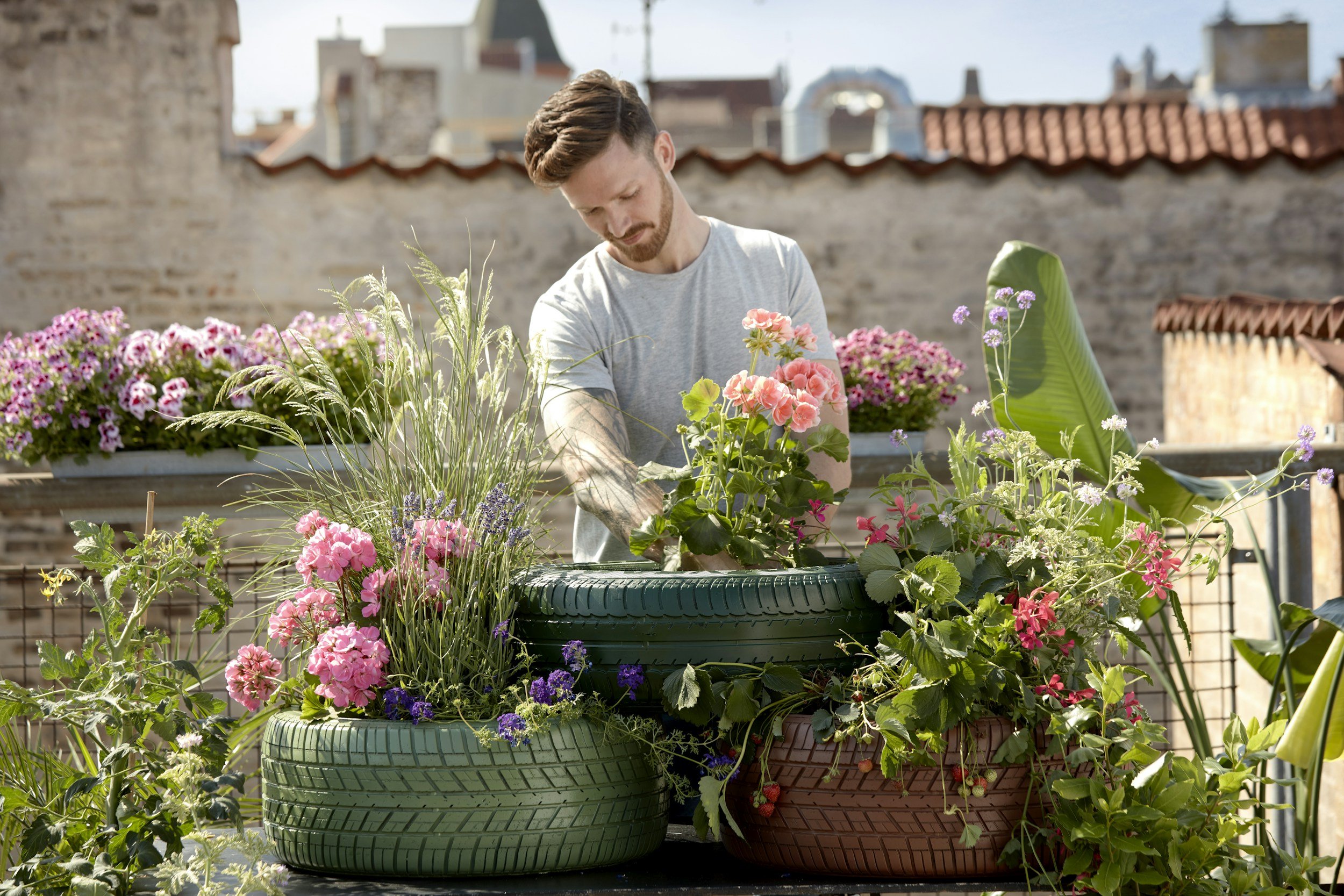
Gardening is a fulfilling pastime, a way to commune with nature, and a satisfying form of exercise. However, many enthusiasts often overlook an important aspect: protecting their backs.
The strains and pains associated with hours spent tending plants can lead to lasting discomfort if proper precautions aren't taken. This guide explores practical strategies to protect your back while gardening, focusing on effective methods to prevent injuries and promote a pain-free gardening experience.
1. Understand the Risks
Before diving into the garden beds, it's important to understand the risks your back faces during gardening. Repetitive bending, lifting, and twisting motions during various tasks can lead to strains, sprains, and long-term back issues. Improper body mechanics exacerbate these risks, underscoring the importance of approaching gardening with care and mindfulness.
2. Strategize Before You Start
Preparing for a day in the garden requires more than just grabbing your tools. Warm-up exercises are essential for loosening your muscles and improving flexibility before tackling tasks that strain your back. Investing in ergonomic tools with proper back support can significantly reduce the likelihood of injury.
Using raised beds, containers, or vertical gardening methods can minimize bending and kneeling strain on your back. Personal tools like compression gear or back braces from Copper Fit can also provide support for your back muscles, further reducing your risk of aches and pains.
3. Master Proper Techniques
Once you're ready to start gardening, mastering proper techniques is key to preventing back injuries. When lifting heavy objects or bags of soil, always remember to use your legs, not your back. Maintain a straight back posture while bending and lifting to minimize strain on your lower back. Avoid sudden movements and prioritize stability and balance to prevent accidental falls.
4. Taking Breaks and Listening to Your Body
In the midst of pruning, weeding, or planting, it's easy to lose track of time and neglect the signals your body sends. Taking regular breaks is crucial to prevent overexertion and give your back some respite. Signs that your back needs a break include stiffness, discomfort, or persistent pain.
Implement stretching exercises between tasks to relieve tension and prevent muscle fatigue. Compressionware can offer support during breaks and ensure proper circulation to aid in muscle recovery.
5. Incorporate Ergonomics in Your Garden
Designing your garden with ergonomics in mind can significantly reduce strain on your back. Consider the layout of your garden to minimize unnecessary bending, lifting, or stretching. Opt for raised beds or containers at waist height to reduce strain on your back while planting or weeding.
Investing in ergonomic gardening tools, such as lightweight rakes, long-handled pruners, and kneelers, can further enhance your gardening experience. Using knee pads, stools, or other seating options can provide added comfort and support, ensuring your back stays protected as you tend to your plants.
6. Mind Your Movements
Gardening involves a variety of movements that can impact your back health. Mindfulness is key to preventing unnecessary strain and injuries. Be cautious of sudden movements, especially when lifting heavy objects or twisting your torso. Minimize repetitive rotational movements that stress your back muscles.
Focus on moving with purpose and pace to avoid abrupt twists or turns that can lead to discomfort. Compressionware can support various gardening movements, reinforcing your back and providing stability as you navigate your garden tasks.
7. Take Post-Gardening Care
After a rewarding day in the garden, it's essential to care for your back to prevent lingering discomfort. Cooling down with gentle stretching exercises can help alleviate muscle tightness and promote flexibility. Consider incorporating self-massage techniques or using heat or cold therapy to relax and soothe your back muscles.
Compressionware is useful after gardening, providing support and compression that aid muscle recovery. By prioritizing these aftercare practices, you can ensure your back remains healthy and resilient for future gardening endeavors.
Grow Strong With These Practical Back-Protecting Strategies
Protecting your back while gardening will help you to enjoy this beloved outdoor activity for years to come. By understanding the risks, strategizing before you start, mastering proper techniques, taking breaks, incorporating ergonomic practices in your garden, minding your movements, and practicing post-gardening care, you can effectively safeguard your back health.
Here's to many more seasons of bountiful blooms, thriving vegetables, and pain-free gardening experiences ahead.
Related:
