
Trauma can change the way people experience the world. After a traumatic event, or after years of ongoing stress, the mind and body can stay on high alert long after the danger has passed. For some, this develops into post-traumatic stress disorder, or PTSD, which can affect sleep, relationships, work, and overall well-being.
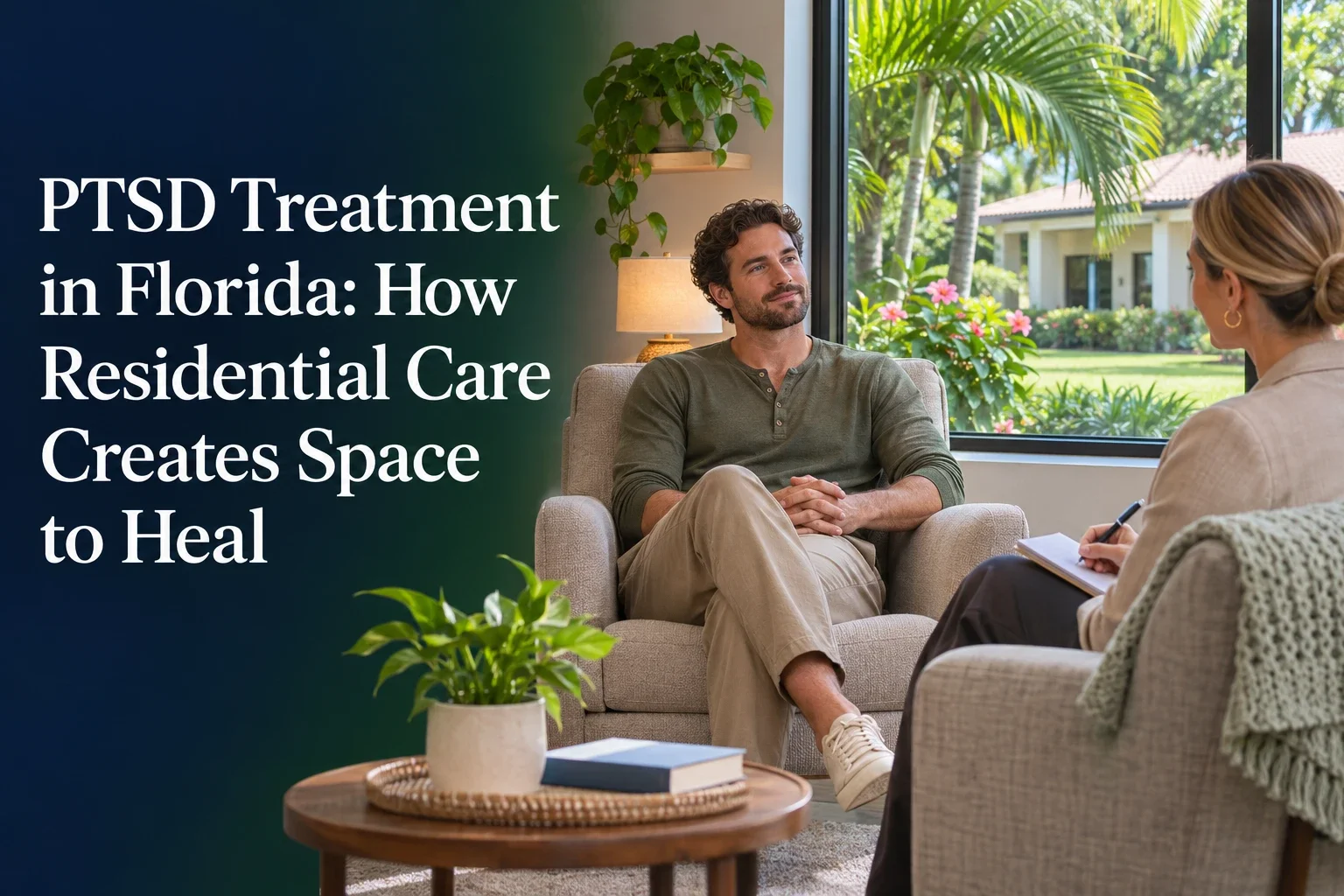
For people whose symptoms have become overwhelming, PTSD treatment Florida residential programs provide can offer something outpatient care sometimes cannot: time, safety, and space to heal.
Understanding PTSD
PTSD can develop after experiences such as combat, assault, accidents, natural disasters, medical emergencies, or childhood abuse. Common symptoms include:
Intrusive memories, flashbacks, or nightmares
Avoiding people, places, or situations that bring up reminders
Feeling numb, guilty, ashamed, or disconnected
Being easily startled, irritable, or constantly on edge
Trouble sleeping or concentrating
Symptoms can begin soon after a traumatic event or appear months or even years later.
When residential care makes sense
Many people with PTSD do well in outpatient therapy. Residential treatment may be a better fit when:
Symptoms make it hard to function at home or work
Outpatient therapy has not brought enough relief
Trauma is accompanied by depression, anxiety, or substance use
The home environment feels unsafe or adds to stress
A person needs a break from daily triggers to focus on healing
Why a safe environment matters
Healing from trauma starts with feeling safe. In a residential setting, people are removed from many of the reminders and stressors that keep their nervous system on alert. A predictable routine, supportive staff, and a calm environment help the body begin to settle, which makes deeper therapeutic work possible.
Setting can play a real part in that sense of safety. Palm City Wellness offers residential trauma and PTSD treatment in a private, peaceful home setting in Palm City on Florida's Treasure Coast, giving adults the space to slow down and focus on recovery.
Evidence-based therapies for PTSD
Cognitive processing therapy (CPT), which helps people examine and change beliefs related to the trauma
Prolonged exposure therapy, which gradually reduces the power of trauma memories
Trauma-focused cognitive behavioral therapy (CBT)
Dialectical behavior therapy (DBT) skills for managing intense emotions
Mindfulness and grounding techniques to calm the nervous system
Psychiatric care and medication can also help manage symptoms like anxiety, depression, and sleep problems.
Pacing trauma work
Good trauma treatment does not rush. Most programs begin by building safety, trust, and coping skills before working directly with traumatic memories. This step-by-step approach helps people feel more in control and reduces the risk of becoming overwhelmed.
A typical day in residential trauma care
Days usually begin with breakfast and a morning check-in. Individual therapy, skills groups, and psychiatric appointments are spread through the week. Afternoons often include movement, mindfulness, or time outdoors to help regulate the nervous system. Evenings tend to be calmer, with time to rest, journal, or connect with peers in a safe setting.
Trauma and substance use
Many people with PTSD use alcohol or drugs to numb painful memories or get through the night. Over time, that can become its own problem. Integrated treatment addresses trauma and substance use together, helping people find healthier ways to cope.
Support for first responders and veterans
First responders, health care workers, and veterans face repeated exposure to trauma. Many hesitate to seek help. Treatment that understands these experiences, and respects the pressures of these roles, can make it easier to take the first step.
Common myths about PTSD
"Only veterans get PTSD." Anyone who experiences trauma can develop it.
"It is too late to get help." Effective treatment can help years after a traumatic event.
"Talking about trauma will make it worse." Good therapy moves at a safe pace and builds coping skills first.
Traveling to Florida for care
Many people choose to travel for residential PTSD treatment. Being away from familiar triggers can make it easier to focus. Ask any program how they help with travel, how families can stay connected, and how they coordinate care when you return home.
Life after residential treatment
Residential care lays the foundation, but healing continues afterward. Most people step down to outpatient therapy, continue psychiatric care, and build support networks at home. A strong discharge plan makes that transition smoother.
How family can help
PTSD affects relationships, and loved ones often feel unsure how to help. Learning about trauma, being patient with avoidance or irritability, and encouraging treatment without pressure can make a real difference. Family sessions can help everyone understand symptoms and prepare for life after residential care.
Caring for yourself after treatment
Healing continues in daily life. Keeping a regular sleep schedule, staying active, limiting alcohol and caffeine, using grounding skills when memories surface, and spending time with safe, supportive people can all help protect progress. It is normal for symptoms to come and go, and reaching out for support early is a sign of strength.
Questions to ask a PTSD treatment program
Which trauma-focused therapies do you use?
Are your clinicians trained in trauma treatment?
Do you treat co-occurring depression, anxiety, or substance use?
How do you pace trauma work?
What does aftercare look like?
Healing is possible
PTSD can make life feel small and frightening, but recovery is possible. With the right support and a safe place to do the work, many people find relief, reconnect with others, and move forward. If you or someone you love is in crisis or thinking about suicide, call or text 988 to reach the 988 Suicide & Crisis Lifeline, or call 911.
