
Root Canals in 2026 — Are They Still as Uncomfortable as Their Reputation Suggests?
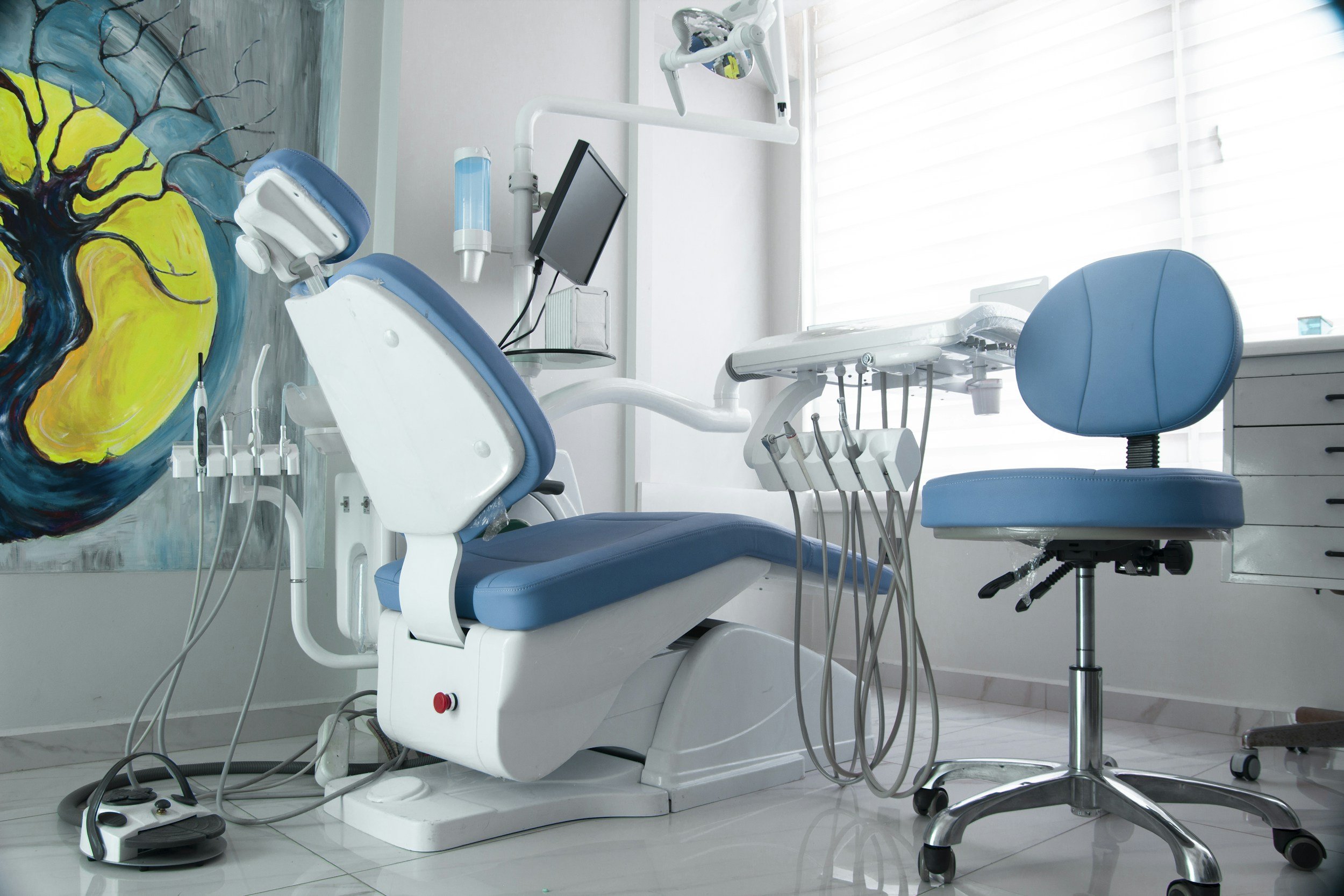
Few dental procedures carry as much undeserved fear as the root canal. For years, the phrase alone has been enough to make patients reschedule appointments indefinitely. The reality, especially in 2026, looks very different from the reputation. Advances in technique and technology have reshaped what patients actually experience in the chair. Getting accurate information before making a decision is far more useful than relying on outdated assumptions.
What a Root Canal Actually Does
A root canal addresses infection that has reached the inner chamber of a tooth. That chamber, called the pulp, contains nerves and blood vessels. When bacteria get in, the result is inflammation, pressure, and pain. If left alone, the infection can move into the surrounding jawbone, which creates a much harder problem to treat.
The procedure clears out the infected tissue, cleans and shapes the canals inside the root, and then seals everything to prevent bacteria from returning. The tooth stays in place, fully functional once a crown is placed on top.
Patients often walk away surprised at how manageable the experience was. For anyone currently searching for a root canal Las Vegas provider, the clinic's experience level, equipment, and care approach all factor directly into how comfortable the procedure feels and how smoothly recovery goes. Selecting a qualified, well-reviewed practice before scheduling makes a real difference.
How Technology Has Changed the Procedure
Digital Imaging and Precision
Cone beam computed tomography gives dentists a three-dimensional view of the tooth before a single instrument is used. This allows the provider to map the number of canals, identify unusual root shapes, and plan the procedure with accuracy that earlier generations of dentists simply did not have access to.
That precision reduces unnecessary tissue disruption. Less disruption generally means a shorter, more comfortable recovery.
Rotary Instruments
Hand files were once the standard for cleaning root canals. Electrically powered rotary instruments have largely replaced them. These tools move through the canal more efficiently, remove debris more consistently, and reduce the overall time a patient spends in the chair.
Better Anesthesia Protocols
Buffered anesthetics now take effect faster and maintain numbness more reliably than older formulas did. Practices also offer sedation options, including nitrous oxide and oral sedation, for patients who experience significant anxiety. These options give patients genuine control over their comfort rather than leaving them to simply endure the process.
What the Recovery Looks Like
The First 48 Hours
Some tenderness after the procedure is expected and normal. Most patients manage it with standard over-the-counter pain relievers. Significant swelling is uncommon but can occur when the original infection was more advanced. A cold compress applied to the outside of the jaw helps reduce sensitivity during those first two days.
Eating on the treated side should be avoided until the permanent crown is in place. The tooth is more vulnerable to fracture during that window.
When to Follow Up
A follow-up appointment is typically scheduled within a few weeks of the procedure. The dentist confirms that healing is progressing correctly and places the final restoration. Patients who skip this step leave the tooth exposed to damage, so completing the full process is as important as the root canal itself.
Common Misconceptions Still Circulating
One of the most persistent myths ties root canals to broader systemic illness, suggesting that the procedure traps bacteria inside the body. That claim traces back to research conducted more than a century ago, but that research has since been thoroughly discredited. No credible evidence from modern medicine or dentistry supports it.
Extraction is another option some patients consider a simpler path. In practice, removing a tooth creates a chain of secondary problems: shifting alignment, bone loss at the extraction site, and the cost of an implant or bridge to fill the gap. A root canal, handled early, avoids all of that.
Conclusion
The root canal of 2026 is a far cry from the ordeal that cultural memory has built up around it. Better imaging, refined instruments, and more effective anesthesia have made the procedure predictable and, for most patients, far less uncomfortable than anticipated.
Waiting too long out of anxiety tends to make treatment more involved, not less. Patients who address infection early, work with a skilled provider, and follow through on aftercare consistently see strong outcomes and keep their natural tooth intact.
