
7 Signs It’s Time to Schedule Your Next Family Dental Checkup
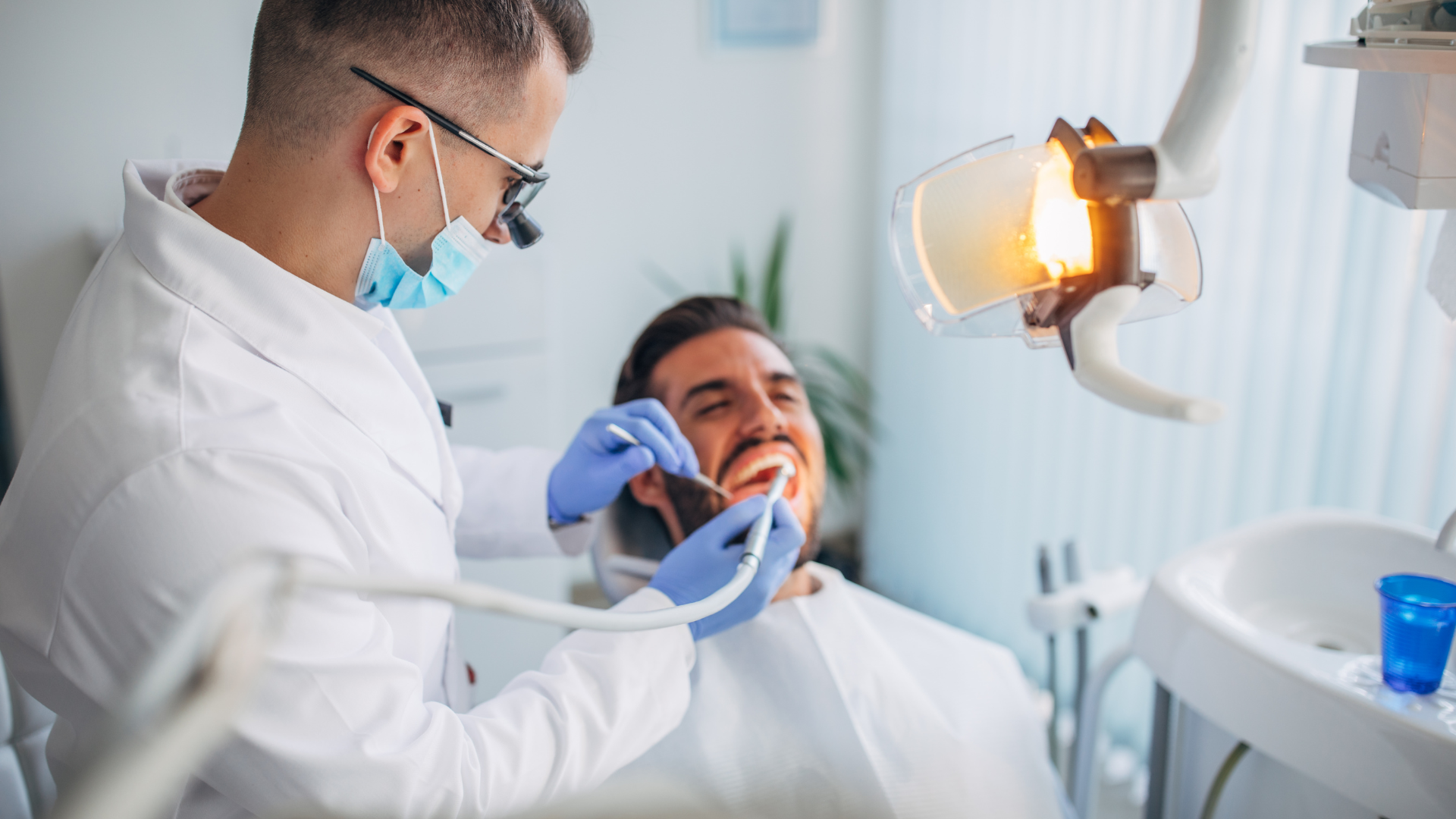
Most families don't think about the dentist until something hurts. And honestly? That's the trap. Dental problems rarely announce themselves with fireworks; they creep in quietly, through a little sensitivity here, some bleeding gums there. According to a 2024 Delta Dental report, 91% of adults believe their dental visit is as important as an annual physical, yet a surprising number still find reasons to postpone. Recognizing the signs you need a dental visit before discomfort escalates is what separates a routine cleaning from a procedure nobody wants to sit through. Your family deserves better than guesswork.
Once you understand what to watch for, it becomes much easier to stay ahead. Here are the seven warning signs telling you it's time to stop putting it off.
Recognizing Early Warnings – 7 Critical Signs Your Family Needs a Dental Checkup
Catching problems early is the difference between a simple fix and a drawn-out treatment plan. These seven signs deserve your full attention, and yes, the brushing pun later was absolutely deliberate.
Sandy, Utah, families know the struggle. Busy school schedules, packed weeknights, activities stacked on activities, it's easy to slide dental appointments down the priority list. Still, booking an appointment with a trusted dentist in sandy ut at the first sign of concern genuinely reduces both the complexity and cost of future care.
Persistent Tooth or Gum Sensitivity
If hot coffee or a spoonful of ice cream makes you flinch, your mouth is asking for help. Ongoing sensitivity can point to worn enamel, exposed roots, or early-stage decay, none of which correct themselves over time. Making note of when sensitivity strikes and what triggers it gives your dentist far more to work with from the very first appointment.
Sensitivity is often the earliest signal before bigger problems develop. But if you've also spotted pink in the sink after brushing, your gums may already be sending a message worth taking seriously.
Bleeding Gums During Brushing or Flossing
Healthy gums simply don't bleed. That's not negotiable. Bleeding during brushing or flossing is one of the clearest early indicators of gingivitis, and without attention, it progresses into gum disease that affects your whole family's long-term oral health. Antimicrobial rinses and better flossing habits can support things at home, but a proper dental checkup for families is what actually confirms how far things have gone.
While bleeding gums point toward early gum disease, there's another subtle sign many people dismiss or cover up with mouthwash, one that could be revealing something far more serious below the surface.
Unexplained Bad Breath That Won't Go Away
Persistent bad breath isn't just awkward at close range it often signals decay, infection, or bacteria hiding in places no toothbrush reaches. Mouthwash provides a temporary fix at best. A family dental checkup identifies the actual source and treats it rather than masking it for another few hours.
Chronic bad breath frequently traces back to infection or hidden decay, but your family's oral health story doesn't end at gums and teeth. Sometimes the jaw itself is the one demanding attention.
Changes in Bite, Jaw Pain, or Clicking Sounds
Jaw clicking, a shifting bite, or that familiar morning stiffness around the jaw are common signs of TMJ issues or misalignment. In kids, these changes can interfere with how permanent teeth emerge. In adults, unaddressed bite problems create accelerating wear over time. Knowing when to see a dentist about jaw concerns can spare your family years of compounding discomfort and increasingly expensive interventions.
Jaw misalignment doesn't stay contained to your mouth. It can quietly travel upward, and if anyone in your household is waking up with unexplained headaches, the culprit may have been sleeping right alongside them.
Frequent Headaches or Migraines After Sleeping
Waking up with a throbbing head isn't always about stress or last night's screen time. Nighttime teeth grinding, or bruxism, places enormous pressure on the jaw and surrounding muscles, producing daily morning headaches as a side effect. Teenagers and younger kids aren't immune either, particularly during high-pressure school stretches. A properly fitted night guard or bite adjustment can offer meaningful, lasting relief.
Once grinding and jaw tension are addressed, families are often startled to realize that other daily discomforts like struggling through meals were part of the same connected pattern all along.
Difficulty Chewing or Swallowing
Pain or awkwardness while chewing signals structural problems. Cracked teeth, failing restorations, and shifting alignment don't improve on their own. For growing children specifically, difficulty eating can quietly affect nutrition and development in ways that ripple outward. Don't normalize it. Don't assume it'll pass.
Chewing difficulties can point to structural concerns, but sometimes the most telling clues about your family's dental health are the ones staring back at you in the bathroom mirror every single morning.
Noticeable Changes in Teeth Color, Spots, or Plaque Buildup
White spots, brown patches, and yellowing near the gum line are visible signals that something is shifting in your family's oral environment. White spots often indicate early enamel breakdown. Darker patches may mean cavities are progressing silently. Professional cleanings remove the tartar buildup that no toothbrush, regardless of how good it is, can touch.
Recognizing these seven signs is a powerful starting point. But understanding why consistent checkups matter beyond just fixing problems will fundamentally reshape how your family approaches dental care.
Why Regular Family Dental Checkups Are Essential for Lifelong Health
Routine visits do far more than catch cavities. They're an investment in your family's whole-body health, confidence, and financial peace of mind.
Benefits Beyond Cavity Prevention
Early dental visits have been linked to detecting signs of systemic conditions, including diabetes and certain cancers, before other symptoms surface. For kids, a healthy mouth supports better focus in school and stronger confidence socially. These aren't minor side effects of good dental care. They're genuinely significant wins.
Preventing Costly Procedures with Timely Visits
Treating a cavity early costs a fraction of what a root canal or extraction runs. Consistent dental health tips from your dentist, paired with twice-yearly cleanings, keep those heavier interventions off the table for most families. The math is straightforward.
Saving money is compelling, but perhaps the most lasting return comes from what those visits teach your children that valuing their own health is simply what responsible people do.
Building Healthy Habits for Children and Teens
Kids who grow up attending regular dental appointments carry that pattern into adulthood. Keeping visits relaxed and positive, explaining what happens beforehand, and acknowledging their bravery afterward make a measurable difference in reducing dental anxiety over time.
Latest Innovations in Family Dental Checkups
Dental care in 2024 looks remarkably different from even a decade ago, and families are among the biggest beneficiaries of that evolution.
Digital Smile Assessments and AI-Powered Diagnostics
AI-assisted imaging can now detect early-stage decay and bone density changes that a standard exam might miss entirely. Problems get caught months, sometimes years, earlier than traditional diagnostic methods allow.
Minimally Invasive Treatments Families Should Know About
Treatments like silver diamine fluoride and laser dentistry significantly reduce the need for drills, injections, and lengthy recovery windows. For kids, especially, these approaches eliminate the fear factor that keeps families from booking a dental checkup for families in the first place.
Teledentistry for Busy Families
Nearly 47% of adults say they'd use teledentistry for oral health care, and over half say they'd trust it. Virtual consultations work well for quick questions, post-procedure follow-ups, or assessing whether something needs urgent in-person attention. For households with relentlessly packed schedules, it's a genuinely practical option.
Top Dental Health Tips to Extend the Benefits of Your Checkup
The two days a year you spend in the chair matter considerably less if the other 363 days are working against your teeth.
Upgrading Daily Home Care Routines
Kids under eight need help with brushing fine motor skills aren't fully developed yet. Teens respond better to electric toothbrushes. Adults should floss before brushing, not after. Small adjustments, tailored by age, make home care dramatically more effective across every member of the household.
Choosing Tooth-Friendly Foods for the Whole Family
Crunchy vegetables like carrots and celery naturally scrub tooth surfaces. Cheese and plain yogurt support enamel through calcium. Swapping sugary juice for water at meals, and limiting sticky snacks that cling between teeth for hours, aren't dramatic lifestyle changes; they're simply smarter daily decisions.
Dental Checkup Scheduling Best Practices
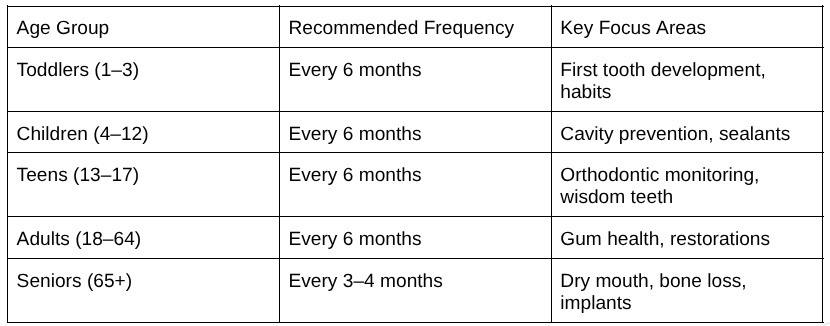
Setting phone reminders and using your dental office's recall system keep appointments from quietly disappearing off the calendar.
Real Answers to Common Questions About Family Dental Checkups
What is the 3-3-3 dental rule?This approach involves taking 3 tablets of ibuprofen (200 mg each) every 3 hours, for a maximum of 3 days, targeting inflammation, the primary driver of most dental pain. Always consult your dentist before using this approach.
Can a dentist detect lymphoma?Occasionally, a routine dental checkup for families can uncover lymphoma before other symptoms appear elsewhere. Early detection genuinely saves lives, and that alone is worth showing up for.
How soon should children start regular dental visits?Most dental associations recommend a child's first visit by their first birthday, or within six months of their first tooth appearing, whichever comes first. Starting early builds familiarity and helps identify developmental concerns before they compound.
Related:
