
The Decade Nobody Warns You About: What Actually Changes in Your Forties
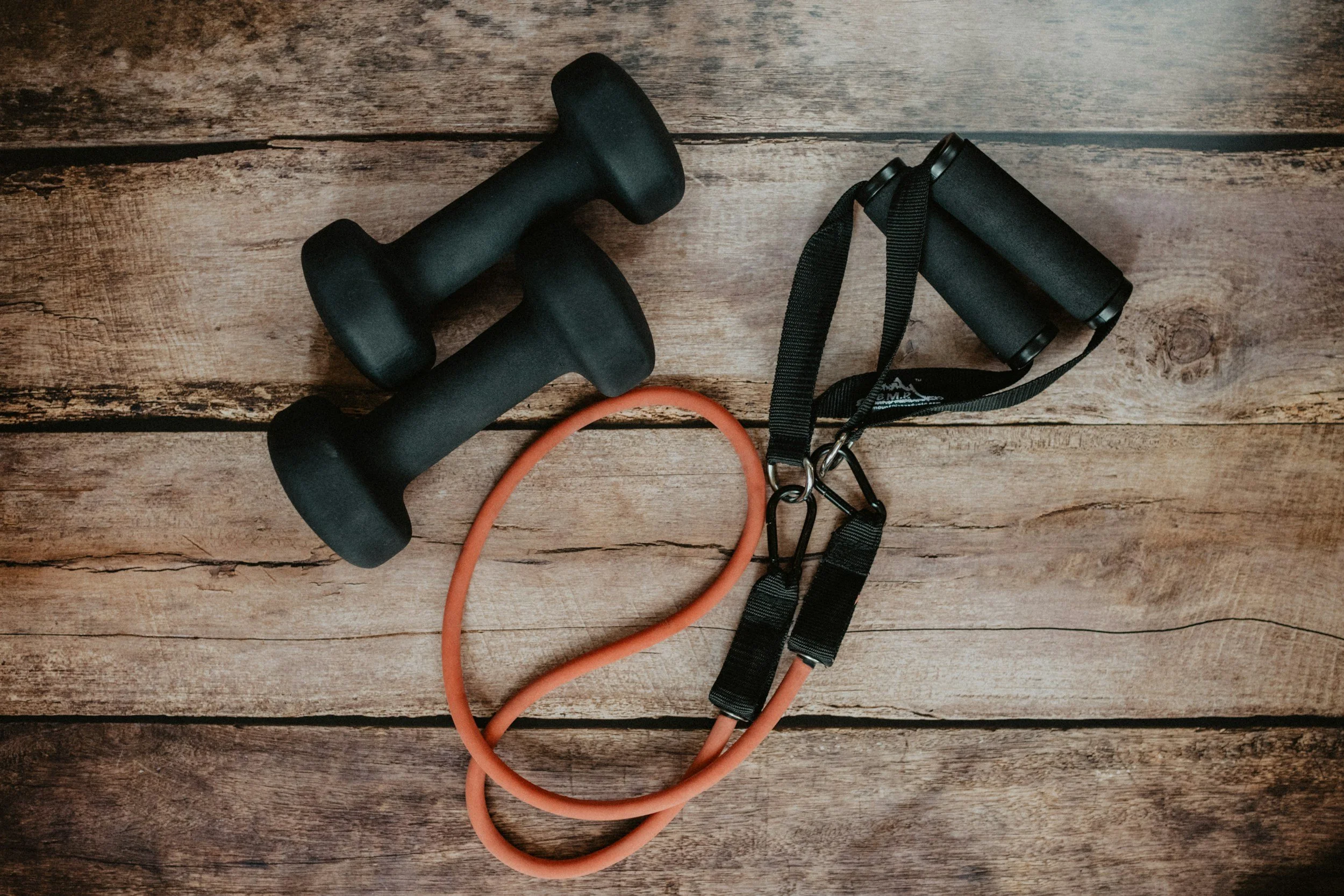
Nobody hands you a document. One year you can play football on a Saturday and feel normal on Sunday, and a few years later the same game costs you until Wednesday. The usual explanation is that you're getting old, which is true but useless, it describes the result without naming anything you can act on.
It's worth knowing what's actually shifting, because most of it responds to the things you do, and a few of the common assumptions are wrong.
Muscle starts leaving unless you give it a reason to stay
From roughly the mid-thirties onward, adults lose skeletal muscle mass gradually, on the order of a few percent per decade, accelerating later in life. The process has a name, sarcopenia, and the usual mental image is of someone much older. It starts far earlier than that.
The important part is that the decline is largely use-dependent. Muscle is metabolically expensive, and the body maintains it in proportion to the demand placed on it. Remove the demand and it releases the tissue. Keep the demand and the loss slows substantially.
This is the single strongest argument for resistance training in your forties, and it has very little to do with how you look. Muscle mass is tied to glucose handling, bone loading, balance, and the practical ability to carry a child on one arm and shopping on the other for another thirty years.
Two sessions a week that actually load the major movements will do more here than a great deal of cardio.
Recovery slows before performance does
This is usually the first thing men notice, and it gets misread as declining fitness.
The capacity is often still there. What changes is the time it takes to return to baseline — tissue repair, inflammation resolution, and nervous system recovery all take longer than they did at twenty-five. If you train on the same schedule you used then, you accumulate fatigue instead of adaptation, and conclude you're finished.
The practical adjustment is usually not training less, but spacing it differently and taking sleep seriously, since that's where most of the repair happens.
Sleep changes shape, not just length
Sleep architecture shifts with age. Deep slow-wave sleep, which dominates early in the night and does a lot of the physical restoration, tends to decrease. Sleep becomes more fragmented, and more easily disturbed by alcohol, late eating, heat, and a phone.
Most men in their forties aren't sleeping badly because of age. They're sleeping badly because of a schedule built around young children, work that follows them home, and a wind-down period that consists of a screen. The age-related change is real but small compared to the behavioural one, which is good news, because the behavioural one is yours.
Metabolism isn't the villain
The common story is that metabolism collapses in middle age. The research is less dramatic than that: total energy expenditure, adjusted for body composition, is relatively stable through adulthood and declines meaningfully later than most people assume.
What usually changes is everything around it. Less muscle means a lower resting burn. Desk work and a car replace incidental movement. Portion sizes stay constant while activity falls. Alcohol creeps up. The result looks like a metabolic failure and is mostly an arithmetic one.
That's a better problem to have, because it's addressable.
Bone is quietly loading or quietly not
Bone density peaks in the late twenties and declines slowly afterwards. Men lose it more gradually than women, which means it's rarely discussed and rarely monitored until something breaks.
Bone responds to mechanical load. Impact and resistance work signal it to maintain density; swimming and cycling, excellent as they are, don't provide that signal. If your entire training week is low-impact, bone is the thing being quietly skipped.
What's actually worth doing
Strip out the noise and the list is short:
Lift something heavy twice a week. Squat, hinge, push, pull, carry. Everything else is detail.
Protect sleep like an appointment. Consistent timing beats any supplement or routine.
Eat enough protein. Requirements go up with age, not down, and most men in this bracket are under rather than over.
Keep walking. Daily non-exercise movement does more for long-term metabolic health than an intense weekend session.
Be honest about alcohol. It affects sleep quality, recovery, and body composition simultaneously, and it's usually the cheapest variable to change.
Get bloodwork. Blood pressure, lipids, glucose, and a thyroid panel. A lot of mid-life fatigue has a specific, treatable cause that nobody looked for.
Some men add nutritional support on top of this, and there's a large market serving exactly that, purehealthresearch.com is one example of a supplement retailer in this space. Worth saying plainly: supplements sit on top of the list above, not in place of it, the evidence behind individual ingredients varies a great deal, and anyone taking medication or managing a health condition should check with a doctor first.
The reframe
The forties aren't a decline you manage. They're the point where the things you do start showing up clearly instead of being masked by youth.
At twenty-five, poor sleep and no training produced a slightly worse version of fine. At forty-five, the same inputs produce something you actually notice. That's not the body breaking. That's the feedback getting honest.
