
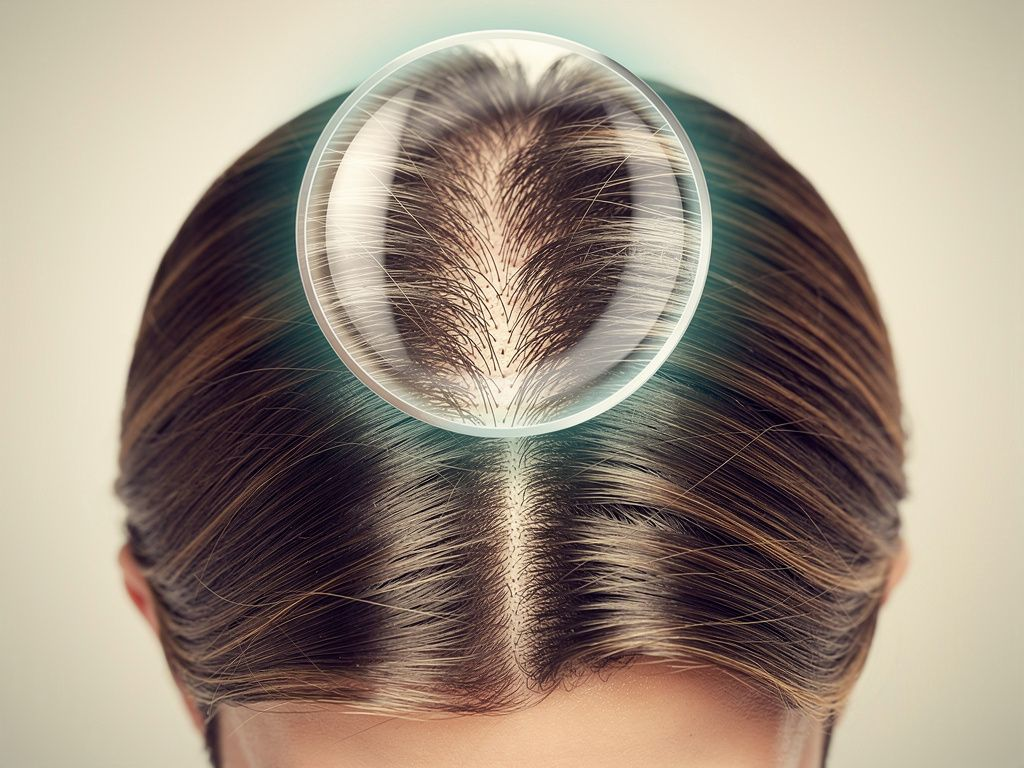
Hair rarely leaves as quickly as it comes. It thins slowly; it disappears little by little, and, before it disappears completely, it usually leaves behind a few traces of its existence. All of these are signs of impending hair loss and should be recognized for what they are. Most people recognize the few strands of hair in their shower drain after it’s been cleaned and note that they must be losing hair because of the shampoo that they use. Often, people attribute their hair loss to the season or to some other external stressor. But all of these warnings of hair loss are whispering in your ear and if you pay any attention to them at all, you will be able to protect your hair before it disappears.
Hair loss typically occurs in stages and that by the time one realizes the loss of hair, much could have happened earlier which could have been reversed had one approached the right Hair Transplant Clinic in Hyderabad. Hair Loss is typically diagnosed to determine the reasons for the loss of hair, to rule out any other scalp problems which could be affecting the hair growth and to plan the hair restoration treatment in advance. It is also important to determine if there are any reasons for hair loss which can be reversed.
The Early Clues People Explain Away
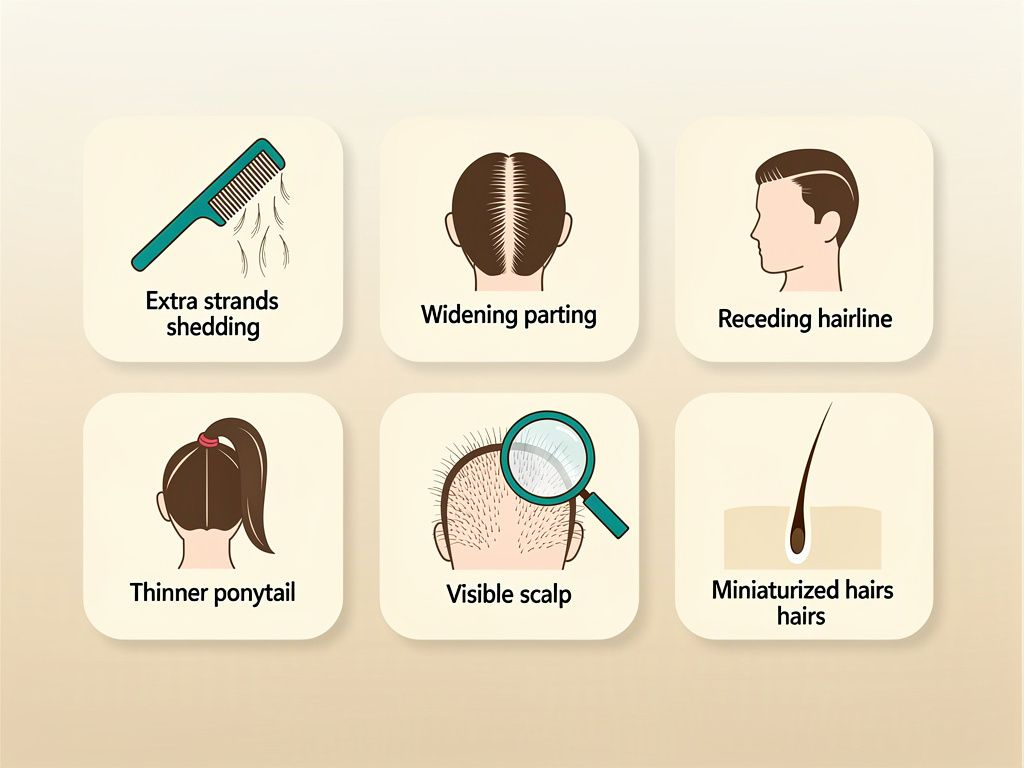
Hair loss can be difficult to notice at first, because it often affects areas of the scalp that are hidden by hair. Yet hair loss is often visible in the hair that is left. The key to recognizing hair loss early is to notice the signs of it in your hair, before they become too apparent. Here are some of the most common signs of hair loss:
Strands of hair on your pillow, on your comb or in the shower – this could be an early sign of hair loss.
A widening parting that slowly reveals more scalp
A hairline that is receding or thinning around the temples or the front of the forehead.
Thinner ponytails or less volume that cannot be compensated by additional styling products.
Visible scalp under good lighting. This used to be fully covered by hair that looked great.
Miniaturized hairs growing back in a finer, shorter, weaker hair strand.
While one heavy shedding day at the hairline or back of your head is nowhere near as problematic as it is made out to be by hair loss product advertisers (hair loss occurs naturally in everyone to some degree), a trend or pattern emerging over weeks is a red flag that needs to be addressed by you.
The Treatment Most People Haven't Heard Of
Hair restoration today is not a simple ‘do nothing’ or ‘get a hair transplant’ scenario. There are many hair restoration options and most people are not aware of them. In recent years, Growth Factors Concentrate (GFC) Treatment in Hiranandani Estate, Thane has become one of the most preferred hair loss treatments that use concentrated growth factors from the patient’s own blood to stimulate inactive hair follicle(s) to produce thicker hair.
This is why a smart approach to hair care can involve multiple hair care options along a spectrum rather than wait until hair loss is so severe that all one can consider is a hair transplant for bald spots.
A proper hair diagnosis, determining the exact cause of hair loss, is key to managing your hair loss effectively.
Medical therapy such as prescribed topicals or tablets for active thinning.
Regenerative treatments like GFC that revive follicles naturally
Transplant surgery is usually best for areas where hair follicles have completely fallen out and you wish to create the look of a full head of hair.
A scalp that is managed in most of these stages will generally have hair for longer than if it was not treated at all until hair transplant surgery was required.
Everyday Habits Your Hair Quietly Rewards
You can’t wash your genetics down the drain with shampoo but your hair loves you when you do things right for it on a daily basis and that has so much to do with consistency vs. intensity.
Feed the follicles – protein, iron, and vitamins build the raw material for hair.
Handle with care – skip tight hairstyles and aggressive towel-drying
Manage stress honestly – chronic tension can push hair into shedding phases
Protect your sleep – repair and hormone balance happen overnight
Limit your use of heat and chemicals as frequent styling can weaken individual hair strands over time.
Treat your scalp to health – strong hair starts from a healthy scalp!
These habits build on each other. A good meal today and gentle hair brushing tomorrow will build up to thicker hair later down the line.
When to Stop Waiting and Get Checked
Some things are better to start paying attention to sooner rather than later. Hair loss appearing in clumps, hair loss in patches, a hairline or a hair part receding in months, hair loss combined with an itchy, flaky or sore scalp, hair loss in combination with a family history of balding, starting early – these are all reasons to book a consultation with a hair loss specialist sooner rather than later.
Sudden or patchy hair loss appearing in clumps
A hairline or parting that has changed noticeably in the months between hair appointments
Thinning paired with an itchy, flaky, or painful scalp
A family history of early baldness/ hair loss
Loss that's affecting your confidence or daily peace of mind
There is no value in waiting to address hair loss. The longer you wait, the fewer solutions are available to you.
The Takeaway
The hair on your head is not trying to get the better of you. The clues have been flowing down the plug hole, dispersed on your pillow, or even highlighted in that one photograph of you for all to see. People with healthy hair are not blessed with better genes. They are simply paying attention to the early warning signs and doing something about it whilst there are still plenty of chapters left to write for your hair.
Next time you notice you’ve got more hair than usual going down the plug hole, take note of it. It could be the start of a wonderful story and reading the early chapters could result in the kindest thing you ever do for your hair – talking about it while there’s still plenty of story and lots of chapters left to write.
