
The Parts Of The Body That Need More Care As We Get Older
Aging happens to the best of us, unfortunately, and keeping our heads in the sand about it isn’t going to do anyone much good. We all become susceptible to surprising new aches and stiffness as we get older, but there are some aspects of our health that an active lifestyle and dietary changes aren’t going to be enough to address. Here, we’re going to take a closer look at those parts that might need a little more routine attention.
Heart Health
Let’s start with the biggie. The heart needs a lot more attention as we get older, as our blood vessels can stiffen, leading to a great risk of issues like high blood pressure, heart disease, and strokes. A healthy lifestyle becomes even more important, but we still need routine check-ups to monitor and detect heart issues as early as possible, and to be aware of heart symptoms you should never ignore, like chest discomfort or sudden fatigue.
Hearing And Ear Health
Our hearing can gradually decline as we get older. Often, this process is so gradual that we don’t notice at first, until we’re suddenly made aware that we have trouble hearing certain people speak to us, or that we have to turn up the volume on our TV and speakers super high to be able to hear it. Regular hearing checks can identify issues early, opening the road for timely interventions like hearing aids if necessary.
Eye And Vision Health
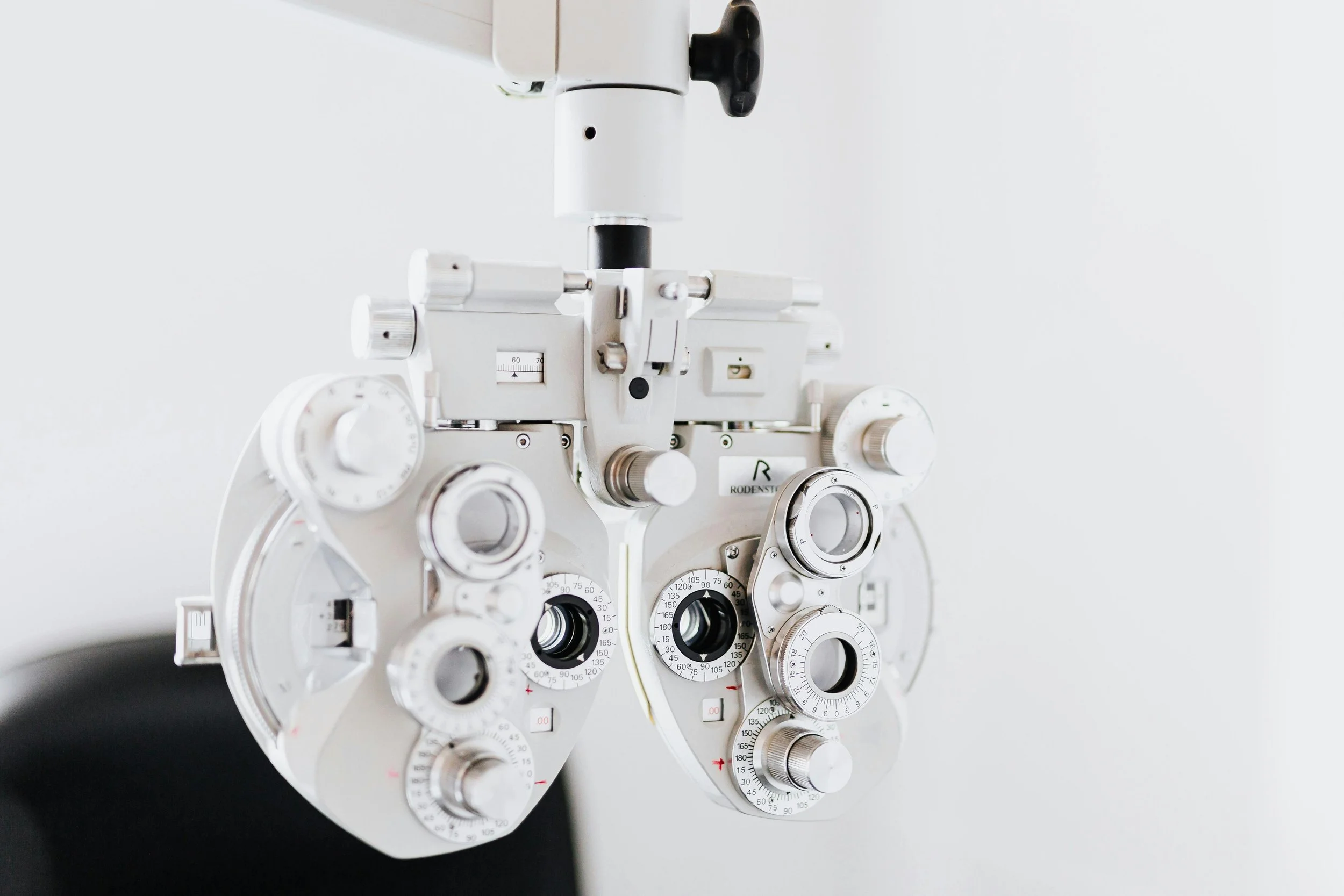
Hearing isn’t the only sense that can be compromised as we get older. Conditions like cataracts, glaucoma, and types of refractive error related to aging all become a lot more common over time. Regular eye examinations can help us catch these and plan a treatment, whether it can be treated with surgery or simply corrected with the right glasses or contact lenses.
Bone Health
Our bones naturally lose density as we get older, which can increase the risk of fractures and conditions like osteoporosis. Although everyone has an increased risk as they age, it’s even more common in women. As such, supporting your bone strength with calcium and vitamin D, as well as weight-bearing exercises, is important. Equally crucial is that you arrange for a bone density scan with your doctor so that they can identify early signs of bone loss or joint issues.
Cognitive Health
Losing our ability to think clearly and concisely is a common fear amongst those growing older. A little decline is natural, but you can maintain your sharpness, memory, and processing speed through regular stimulation such as reading, solving puzzles, and learning new skills. Your cognitive health is also largely shaped by a healthy lifestyle, including regular exercise, a healthy diet, and good sleep, not to mention managing stress and blood pressure.
It’s important to get used to seeing your doctor and health specialists on a more regular basis as we get older. It makes it a lot easier to catch potentially dangerous or chronic issues early, which makes managing them a lot easier, too.
Related:
