
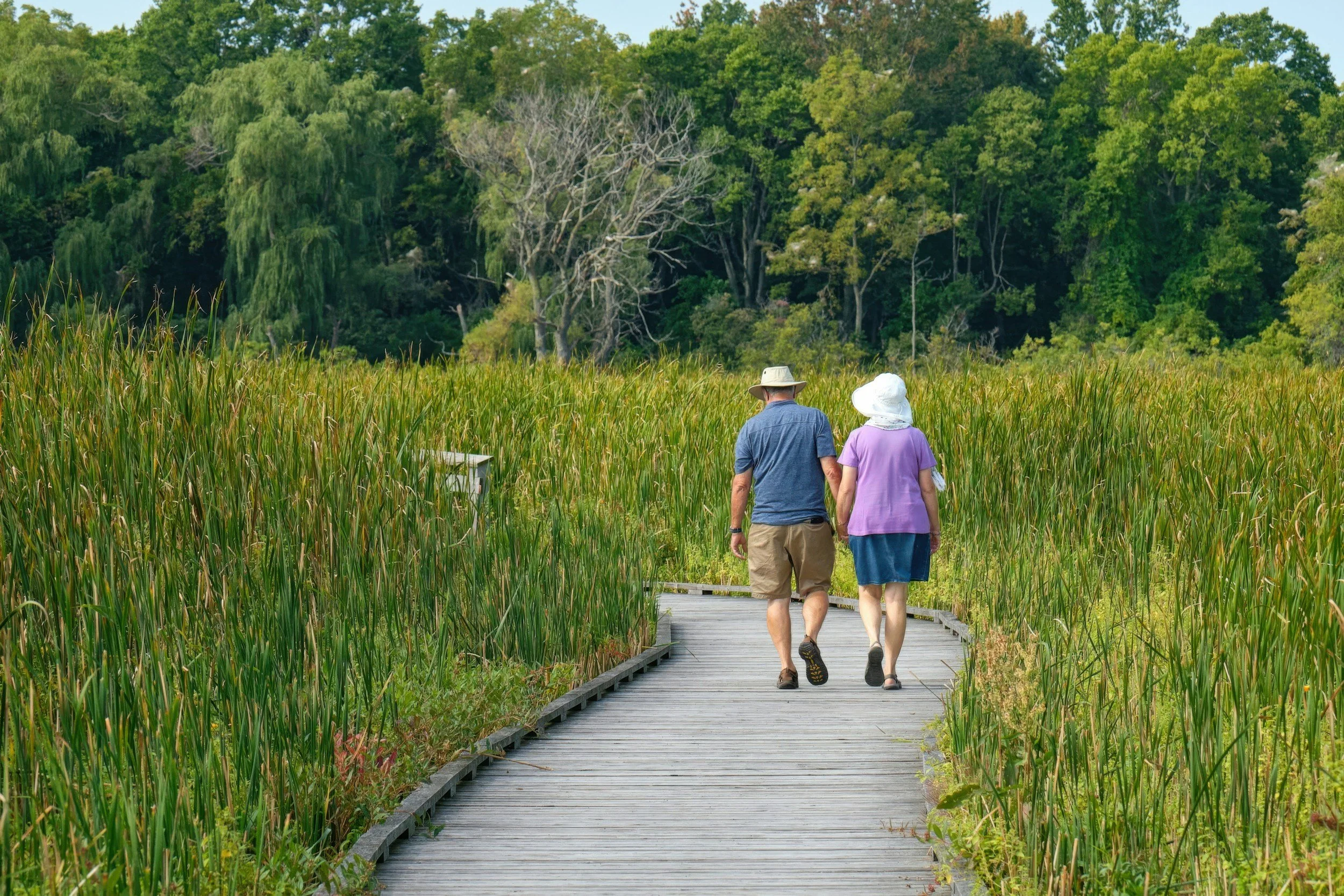
Seventy has a way of sharpening your priorities. The birthday itself changes nothing overnight, but most people notice their bodies respond differently than they did at 50 or even 60. Recovery takes longer, sleep gets lighter, and it's harder to make up for a missed week of activity. The encouraging part is that this decade also rewards good habits faster and more visibly than almost any other. A handful of daily choices do most of the work of keeping you strong, steady, sharp, and independent, and none of them require an extreme routine. Here is where your effort counts most.
Why do health habits matter more at 70?
After 70, the margin for error narrows. Muscle mass, bone density, and balance all decline with age, and inactivity speeds up that decline. At the same time, the risks you are protecting against become more serious: the CDC reports that more than one in four adults 65 and older falls each year, and falls are the leading cause of injury in this age group. Habits that preserve strength, stability, and recovery help you keep doing the things you enjoy.
What is the most important exercise habit at 70?
Strength training is the single highest-value habit to add or keep. Muscle is what lets you climb stairs, carry groceries, and get up from a chair or the floor without help.
National physical activity guidelines for adults 65 and older recommend:
Muscle-strengthening activity at least two days a week
150 minutes of moderate aerobic activity per week, such as brisk walking
Balance training as a regular part of the routine
You do not need a gym. Sit-to-stand repetitions from a chair, wall push-ups, resistance bands, and light dumbbells all count. Start with what you can do comfortably and add a little each week.
How can you protect your balance and prevent falls?
Balance is a skill that improves with practice at any age. Tai chi has some of the strongest research support for reducing fall risk in older adults. Simple daily drills help, too: stand on one foot near a counter, walk heel-to-toe down a hallway, and rise onto your toes.
Pair the practice with a safer home. Remove loose rugs, add grab bars in the bathroom, improve lighting on stairs and hallways, and have your vision and hearing checked regularly, since both affect stability.
What is the best low-impact exercise for aging joints?
Water exercise is hard to beat. Buoyancy takes most of your body weight off your hips, knees, and spine, while the water's resistance still works your muscles and heart. Warm water also eases stiffness, which makes movement more comfortable for people with arthritis.
If a community pool isn't convenient, a home option can make it easier to stay consistent. For example, homeowners researching swim spas in Charleston, SC, often want to swim against a current, walk in water, and stretch year-round without leaving the backyard. Whatever the setting, the goal is the same: movement you can do several times a week without joint pain.
How much sleep do you need at 70?
Most adults 65 and older do best with seven to eight hours a night. Sleep supports memory, immune function, mood, and balance, and poor sleep raises the risk of falls the next day.
Sleep naturally becomes lighter with age, so your environment matters more than it used to:
Keep a consistent bedtime and wake time, including weekends
Get outdoor light in the morning to anchor your body clock
Limit caffeine after noon and alcohol in the evening
Keep the bedroom cool, dark, and quiet
Bedding plays a role as well. Because older adults often have more trouble regulating temperature overnight, breathable, soft bedding such as Zen Sheets can help you stay comfortable and fall back asleep more easily after waking.
What should you eat and drink?
Two things deserve the most attention: protein and water.
Protein. Older bodies use protein less efficiently, so many geriatric nutrition experts suggest roughly 1.0 to 1.2 grams per kilogram of body weight per day, spread across meals. Eggs, fish, poultry, Greek yogurt, beans, and lentils are all good sources. If you have kidney disease, ask your doctor first.
Hydration. The sense of thirst weakens with age, so dehydration can develop before you feel it. Drink water with every meal and keep a glass within reach during the day.
Which checkups and vaccines matter at 70?
Preventive care catches problems early, when they're still easy to treat. Talk with your doctor about:
Blood pressure, cholesterol, and blood sugar checks
Bone density testing
Cancer screenings appropriate for your age and history
Vision and hearing exams
Vaccines, including annual flu, COVID-19, shingles, pneumococcal, and RSV
A yearly medication review to catch interactions and unnecessary prescriptions
Why does staying social matter for your health?
Social connection is a health habit, not a bonus. Research links loneliness and isolation in older adults to higher risks of heart disease, depression, and cognitive decline. Regular contact protects against all three. A weekly class, a walking group, volunteering, or a standing phone call with a friend keeps both mind and mood engaged.
Frequently asked questions
Is 70 too late to start exercising? No. Studies consistently show that people who begin strength and balance training in their 70s and beyond gain muscle, improve mobility, and lower their fall risk. Check with your doctor, then start gradually.
What is the number one habit to focus on at 70? If you choose only one, make it regular strength training. It supports balance, bone health, blood sugar control, and independence.
How many steps a day should a 70-year-old walk? Research on older adults suggests benefits level off at around 6,000 to 8,000 steps a day. Any increase from your current baseline helps.
Turning 70 is less about slowing down and more about being deliberate. Build strength twice a week, practice balance, move in ways your joints tolerate, protect your sleep, eat enough protein, keep up with preventive care, and stay connected to people. Pick one habit to start this week, and add the next once it sticks.
This article is for general information and is not a substitute for medical advice. Talk with your healthcare provider before starting a new exercise or nutrition routine.
