
10 Warning Signs of Sleep Apnea You Shouldn’t Ignore
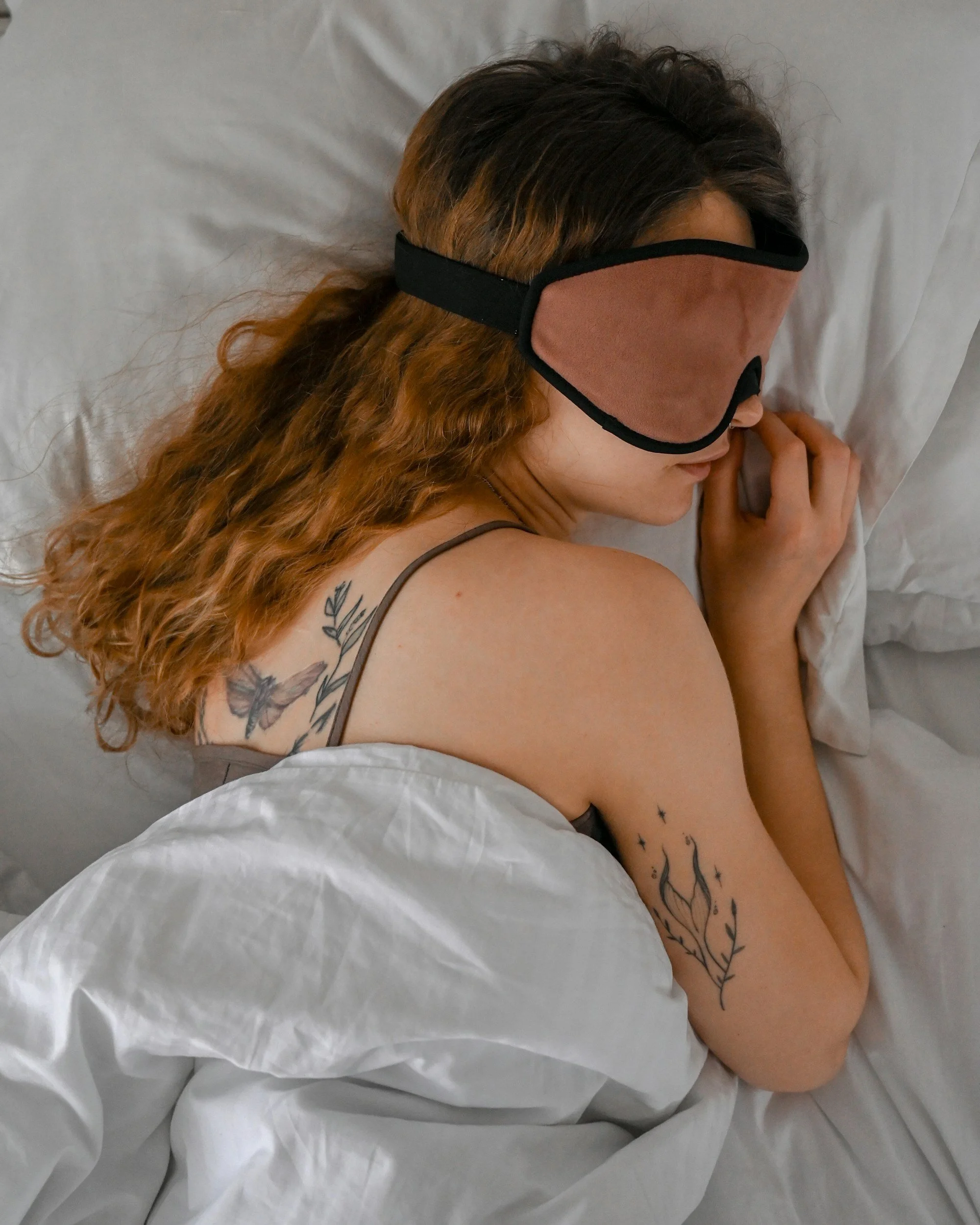
Sleep apnea can often go undiagnosed and affects millions of individuals. Staying aware of its symptoms is crucial to avoid serious harm. This article explores 10 significant indicators of sleep apnea that warrant attention. Greater awareness of these signals when they arise can encourage people to seek earlier medical attention, thereby providing an opportunity to improve their quality of life.
Loud and Persistent Snoring
The most common symptom of sleep apnea is habitual snoring, especially when it disrupts your sleep. Snoring in adults can occur from time to time, but loud, habitual snoring (particularly of any gasping or choking sounds) may indicate that there is a more serious issue. Family members begin to notice these interruptions far before the individual does themselves. Evaluation for such symptoms can result in an earlier diagnosis and management plan. Because these warning signs often go unnoticed by the person experiencing them, seeking help for snoring and sleep apnea near Las Vegas can support earlier evaluation and more effective management.
Breathing Stopped While Sleeping Episodes
Classic signs of sleep apnea are pauses in breathing while at rest. Also, these interruptions can last a few seconds and tend to happen several times across the night. Even if the person is unaware of these episodes, partners or spectators may pick up on them. Inevitably, this type of breathing will produce oxygen deficiencies that leave long-term health impacts if allowed to continue.
Gasping or Choking Sensations at Night
Sudden awakenings, gasping, or choking are warning signs that merit further investigation. The sensations are typically due to an obstructed airway, causing the sleeper to wake up suddenly. These types of experiences interrupt pleasant sleep and may leave one feeling anxious or uneasy upon waking. Observing these trends is an essential step in diagnosing sleep apnea.
Daytime Sleepiness and Fatigue
Having enough hours of sleep yet feeling tired during the day indicates that sleep is not of good quality. When something wakes you up, you feel tired the next day. This feeling of tiredness can interfere with day-to-day living, focus, and recollection. For that reason, people who feel perpetually fatigued should see sleep as a possible source of the problem, the researchers say.
Morning Headaches
Morning headaches can indicate disrupted overnight breathing. These headaches are usually the result of low oxygen and high carbon dioxide in the blood. This discomfort might go away during the day but often comes back after each night's sleep. A provider should evaluate frequent morning headaches.
Difficulty Concentrating and Memory Problems
Sleep apnea may harm cognitive functions like attention, learning, and memory. And when the sleep is interrupted, the brain cannot process the information, so it cannot retain new knowledge. They might experience forgetfulness, have a slower mental process, or be losing their ability to concentrate on tasks. Replacing the trigger with the cure can bring back the fog lifting that comes with foggy thinking.
Irritability and Mood Changes
Lack of sleep impacts emotional health and can result in mood swings, increased irritability, or even signs of depression. Sleep apnea can make you more irritable or less able to deal with stress. These shifts in feelings may create tension between family members or lead a person themselves to feel lower satisfaction in their lives overall. This kind of pattern helps in early intervention and mental health.
Frequent Nighttime Urination
Nocturia, or waking up several times a night to go to the bathroom, may be related to sleep apnea, too. The series of interrupted breathing activates the body's stress response, stimulating urine output. Cartor explains that other factors often contribute to this symptom, making sleep quality a crucial consideration. Treating Graham-stoking reduces most nighttime bathroom excursions.
Dry Mouth or Sore Throat Upon Waking
Waking up with a dry mouth or scratchy throat means you are likely breathing through your mouth while sleeping—most probably due to an obstruction in your airway. Chronic dryness or pain can cause additional dental issues such as cavities and gum disease. Be aware of these symptoms and recognize that mouth breathing may indicate sleep apnea.
Restless Sleep or Insomnia
Constantly moving around at night, frequent tossing and turning, or taking a long time to fall asleep are all signs associated with hidden sleep apnea, likely contributing to the situation. Breathing that is interrupted inhibits them from resting comfortably throughout the night, and they can be unable to maintain a marked sleep cycle. Anyone suffering from chronic insomnia or sleepless nights should be screened for sleep disorders.
Conclusion
Being aware of these ten red flags about obstructive sleep apnea may be the most important thing you can do for your health and quality of life. Promptly addressing these symptoms leads to an earlier diagnosis and treatment, preventing the development of long-term complications. If you are experiencing any of these symptoms, be sure to speak with a doctor and look into the best solutions for a better night's sleep and a better day-to-day life.
Related:
