
What Actually Makes a Weight-Loss Plan Sustainable? A Practical Guide for Busy Adults
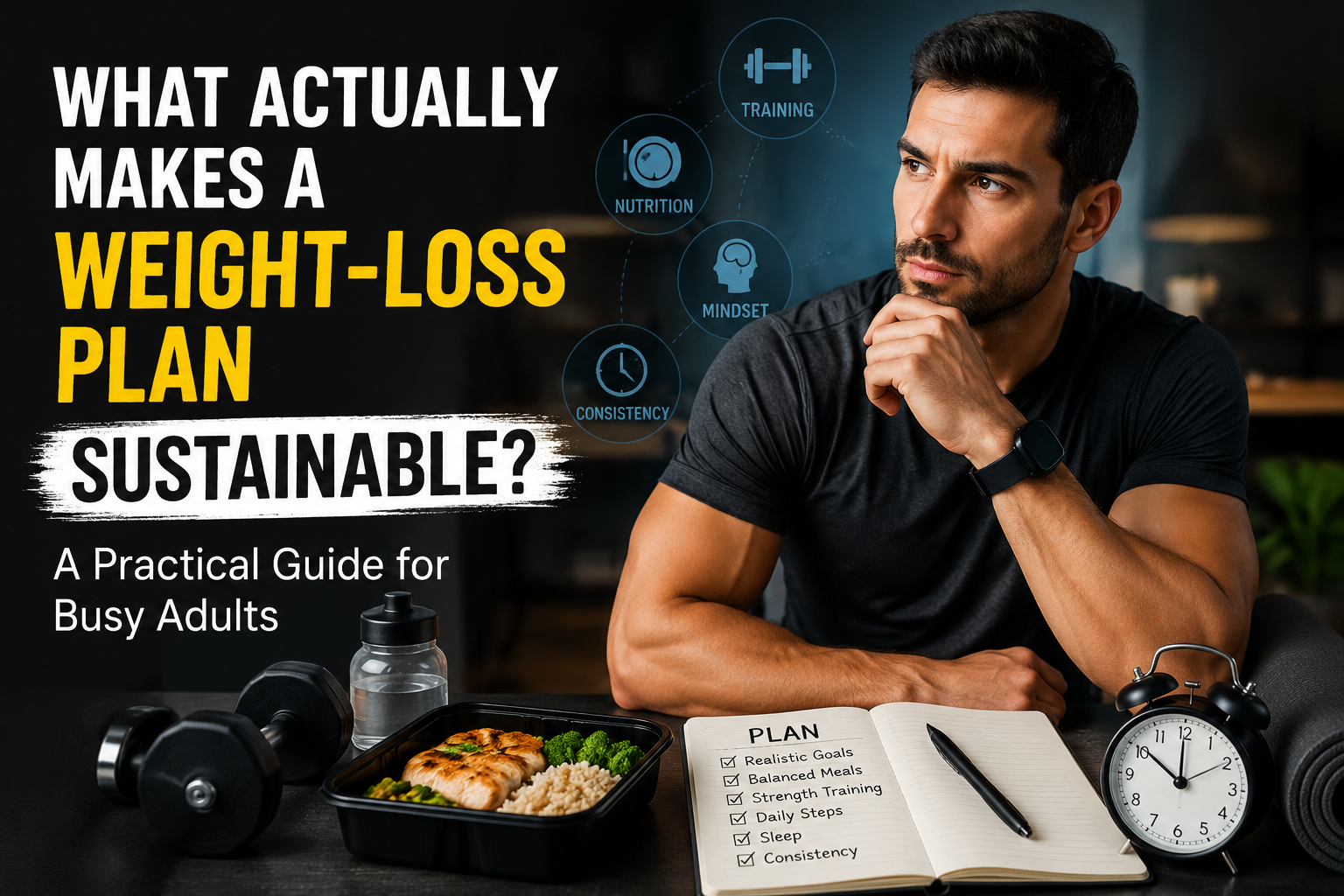
Losing weight is one goal. Keeping it off while maintaining energy, fitness, and a healthy relationship with food is another challenge entirely. For busy adults balancing work, family, social commitments, and everyday responsibilities, the most effective weight-loss plan is rarely the most extreme one. It is the one that can realistically become part of everyday life.
Modern weight management now includes everything from nutrition and exercise to medically supervised treatments. Resources such as Peptides Costa Rica have also contributed to growing interest in peptide-based approaches to metabolic health. However, sustainable results still depend on building habits and making informed decisions rather than looking for a quick fix.
Why Sustainable Weight Loss Matters
A very restrictive diet may produce rapid results, but maintaining it for months or years can be difficult. When people return to previous eating patterns, some of the lost weight may return as well.
Sustainable weight management takes a different approach.
Instead of asking, “How quickly can I lose weight?” it can be more useful to ask, “What changes can I realistically maintain?”
That shift can make weight management less about temporary dieting and more about improving overall health.
Start With Realistic Goals
A sustainable plan begins with achievable goals.
Trying to completely change your diet, exercise every day, eliminate every favorite food, and dramatically reduce calories at the same time can become overwhelming.
A better strategy is to identify a few high-impact habits.
For example, someone might start by:
Walking regularly
Eating more protein and vegetables
Reducing sugary drinks
Preparing meals at home more frequently
Establishing a consistent sleep schedule
Adding resistance training several times per week
Once these habits become routine, additional changes can be introduced.
Nutrition Should Be Practical
Healthy eating does not need to mean eating bland food or following an extremely restrictive diet.
A sustainable eating pattern should provide enough protein, fiber, vitamins, minerals, and healthy fats while fitting naturally into a person's lifestyle.
For busy adults, convenience matters. Preparing several meals in advance can reduce the temptation to rely on fast food after a long workday. Keeping simple healthy options available at home can also make better choices easier.
Rather than labeling foods as completely “good” or “bad,” it can be more useful to consider the overall pattern of eating.
A balanced diet that can be maintained is generally more practical than a highly restrictive diet that lasts only a few weeks.
Protein and Muscle Matter During Weight Loss
Weight loss isn't simply about reducing body weight. Maintaining lean muscle is also important.
Protein provides amino acids needed for muscle maintenance and repair, while resistance training gives the body a reason to preserve and strengthen muscle tissue.
Activities such as squats, push-ups, resistance-band exercises, and weight training can all be incorporated into a fitness routine.
For busy adults, two or three efficient strength sessions per week may be more realistic than trying to spend hours in the gym every day.
Walking and other forms of cardiovascular activity can complement strength training and support overall fitness.
Sleep Is Part of the Equation
Sleep is often overlooked when people create weight-loss plans.
Adults who consistently sleep poorly may find it harder to maintain healthy eating and exercise habits. Fatigue can make highly processed foods and sedentary activities more appealing, while a busy schedule can make meal preparation and exercise feel like additional work.
Creating a regular bedtime, limiting excessive screen exposure before sleep, and keeping the bedroom comfortable can support better sleep habits.
A weight-management strategy that ignores recovery may be much harder to maintain.
Stress Can Influence Your Routine
Busy adults often deal with deadlines, family responsibilities, financial pressures, and other sources of stress.
Stress doesn't automatically cause weight gain, but it can influence behaviors that make weight management more difficult. Some people eat more when stressed, while others become less physically active or sleep poorly.
Finding realistic ways to manage stress can therefore support a broader health strategy.
A short walk, a few minutes of breathing exercises, hobbies, social connection, or simply scheduling regular downtime can help create balance.
Where Medical Weight Management Fits
Lifestyle changes are fundamental, but they are not always sufficient for everyone.
Obesity is a complex chronic condition influenced by biological, environmental, genetic, and behavioral factors. For some individuals, a healthcare professional may recommend prescription treatment alongside nutrition and physical activity.
This is where modern metabolic medicines have become an important part of the conversation.
Tirzepatide, for example, is a prescription medicine that activates GIP and GLP-1 receptors. In the United States, it is approved under the brand Zepbound for chronic weight management in eligible adults, alongside a reduced-calorie diet and increased physical activity.
Anyone considering treatment should seek professional medical advice and understand the potential benefits, risks, contraindications, and side effects.
Understanding Tirzepatide Before Considering It
People searching online for Tirzepatide information will find a large amount of content, but not all of it is equally reliable.
Tirzepatide is not simply a general-purpose “fat burner.” It works through specific hormonal pathways involved in appetite and metabolic regulation, and its use should be based on an individual's medical circumstances.
Clinical studies have demonstrated substantial weight reduction in eligible adults, but treatment can also cause side effects. Gastrointestinal symptoms such as nausea, diarrhea, vomiting, and constipation are among the commonly reported adverse reactions.
There are also important medical warnings and contraindications, which is why prescription treatment should be discussed with a qualified healthcare professional rather than obtained solely on the basis of online recommendations.
Don't Let the Scale Become the Only Measurement
Weight is useful information, but it is not the only indicator of progress.
Other improvements may include:
Better stamina
Increased strength
Improved sleep
More consistent energy
Healthier eating patterns
Better cardiovascular fitness
Improved metabolic health markers
Greater confidence in daily activities
Someone who loses weight while becoming significantly weaker and exhausted may not be achieving the type of health improvement they actually want.
The goal should be better health, not simply a smaller number on the scale.
Make Your Environment Work for You
Willpower is not something people can rely on indefinitely.
Changing the environment can make healthy choices easier.
Keep nutritious foods accessible. Plan meals before becoming extremely hungry. Schedule workouts like appointments. Keep walking shoes or exercise equipment somewhere visible.
For parents, these changes can also become family habits. Taking a walk together after dinner or preparing healthier meals as a family can turn individual health goals into shared routines.
Consistency Beats Perfection
One missed workout or an indulgent meal does not destroy a weight-loss plan.
The problem occurs when one setback becomes an excuse to abandon the entire routine.
Sustainable weight management requires flexibility. If a busy day prevents a full workout, a short walk may still be worthwhile. If one meal is heavier than planned, the next meal can simply return to the normal routine.
Progress is built through repeated decisions over time, not through perfection.
The Bottom Line
A sustainable weight-loss plan should fit your actual life.
That means choosing realistic nutrition habits, staying physically active, protecting muscle, getting adequate sleep, managing stress, and seeking medical guidance when appropriate.
New approaches to weight management, including peptide-based and hormone-targeting treatments, may provide additional options for people who need them. However, they should complement informed healthcare rather than replace healthy lifestyle fundamentals.
For busy adults, the best plan is ultimately the one that can still work six months, one year, and several years from now.
Weight loss may be the initial goal, but building a healthier and more sustainable lifestyle is the bigger achievement.
