
What Clothes Do You Wear for Hiking? A Beginner's Complete Outfit Guide
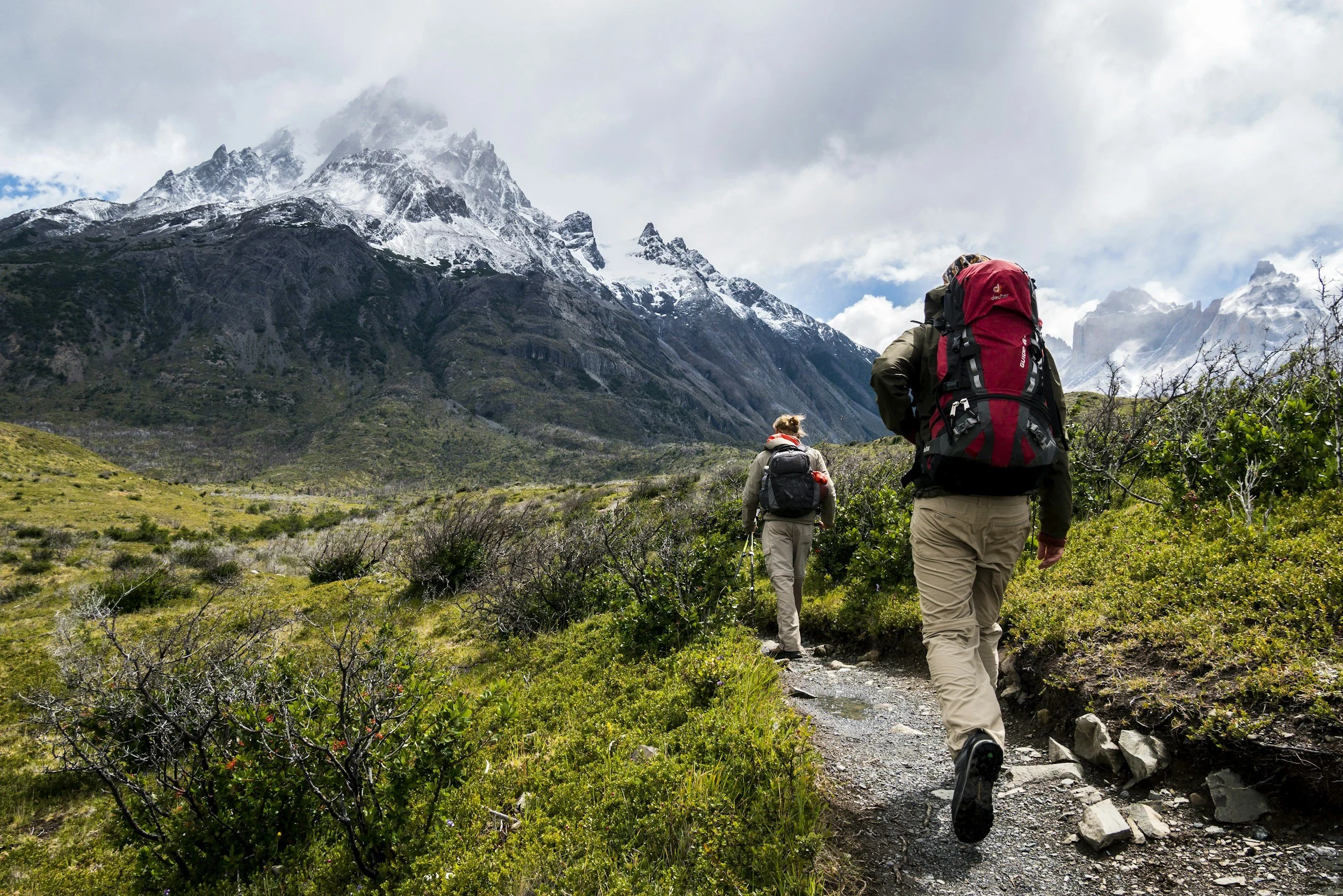
Photo by Rajesh Rajput on Unsplash
If you are new to hiking and wondering what clothes to wear, the good news is that it is not as complicated as the outdoor industry sometimes makes it seem. A few clear principles applied to your specific hike cover almost every situation. The main things that matter are fabric choice, dressing for the conditions rather than the forecast, and knowing what to leave at home. This guide walks through every item of clothing from head to toe so you can show up at the trailhead wearing the right kit, not a bag full of regrets.
Start With the Conditions, Not the Gear
Before thinking about any specific item of clothing, think about the hike itself. A two-hour summer walk on a well-marked trail has completely different clothing requirements from a full-day mountain hike or an overnight backpacking trip. The conditions that matter most are the expected temperature, whether rain is possible, how long you will be out, and how exposed the terrain is to wind at the highest point of the route.
The principle across all conditions is the same: choose fabrics that manage moisture and dry quickly, carry protection you can add when conditions change, and avoid anything that becomes a problem when wet.
The Hiking Clothes Checklist: Head to Toe
Top Layer: Start with a Moisture-Wicking Base
The shirt against your skin is the most important clothing decision on any hike. Choose a moisture-wicking fabric: one that pulls sweat away from the skin and moves it toward the outer surface where it can evaporate. Synthetic fabrics, primarily polyester and nylon, do this efficiently and dry very quickly. Merino wool is the premium alternative: it wicks moisture, regulates temperature, and resists the odour that builds up in synthetics during multi-day use. For a single day hike, synthetic is adequate; for longer trips, merino odour resistance is a practical advantage. Cotton is the fabric to avoid. It absorbs sweat and holds it against the skin, becoming heavy and uncomfortable during exertion and accelerating heat loss in cold conditions. In cool weather, a lightweight fleece worn over the base layer adds warmth without significant weight and can be packed away once the body warms up.
The manufacturers over at MANG explain how the main concern for most hikers should always be staying dry and maintaining consistent core temperatures throughout changing weather conditions. Selecting high-performance materials prevents discomfort and keeps outdoor enthusiasts safer on longer trails.
Outer Protection: Always Carry a Rain Layer
A packable rain jacket is non-negotiable for any hike of more than a couple of hours regardless of the forecast. Weather changes faster in the hills than forecasts predict, and modern packable jackets compress to roughly the size of a water bottle. For casual day hikes, a simple waterproof or water-resistant jacket is sufficient. For more demanding conditions, a breathable waterproof with a membrane such as GORE-TEX manages moisture from the inside as well as outside, preventing the clammy sweat build-up that non-breathable waterproofs create during exertion. Put it on before you get wet, not after.
Hiking Pants or Shorts
For the legs the same principle applies: avoid cotton and choose quick-drying synthetics. Hiking pants in nylon or polyester blends dry fast, move well, and resist abrasion. Look for articulated knees that accommodate the bent-knee position of active hiking rather than a standing position. Zip-off pants are a practical choice for hikes that start cool and warm up. For warm summer conditions, hiking shorts with a 7 to 9 inch inseam provide coverage without restricting movement. Jeans should be avoided on any hike of significant length: they become very heavy when wet, dry slowly, provide no stretch, and cause significant chafing on long days.
Underwear and Base Layer Bottoms
Hiking underwear deserves more attention than it typically gets, particularly on longer hikes. Standard cotton underwear absorbs moisture and causes chafing during the repetitive movement of walking, which becomes progressively more uncomfortable as the day goes on. Moisture-wicking underwear in merino wool or synthetic fabric stays drier, moves with the body, and significantly reduces the friction-related discomfort that ruins many long hiking days. For cold weather, thermal leggings worn as a base layer under hiking pants add meaningful insulation without restricting movement. A full range of moisture-wicking base layers and performance underwear is available as part of a broader selection of men's outdoor clothing suited to hiking and trail use.
Socks
Socks are one of the most impactful items in a hiking kit relative to their size and cost. The wrong socks are one of the most common causes of blisters on longer hikes. Merino wool hiking socks are the standard recommendation: they cushion the foot, manage moisture effectively, resist odour, and regulate temperature better than synthetic alternatives. Synthetic hiking socks are a more affordable option and dry faster, though they retain odour more readily on multi-day use. The thickness and height of the sock should be matched to the footwear: thicker, more cushioned socks for trail runners, crew-height or knee-height socks with hiking boots to prevent the boot collar from rubbing the ankle. Never wear cotton socks for hiking. They absorb moisture, bunch inside the shoe, lose their cushioning when wet, and reliably cause blisters on anything longer than a short walk.
Footwear
Trail runners are lightweight, low-cut, quick-drying, and suit day hikes on well-maintained trails and anyone prioritising light weight. Hiking boots provide more ankle support and a stiffer sole for rough terrain, heavier packs, and multi-day use. Mid-cut boots offer a middle ground. Waterproof footwear keeps feet dry in wet conditions but is warmer and slower to dry when it gets wet inside; non-waterproof dries faster and suits warm dry trails. Whatever footwear you choose, wear it on shorter walks before trusting it for a full day hike. New shoes worn for the first time on a long hike are one of the most reliable causes of blisters.
Head and Hands
A wide-brimmed hat provides UV protection for the face, ears, and neck at altitude where UV exposure is higher than at sea level. A fleece or wool beanie adds significant warmth for minimal weight in cool or cold conditions. On lower, shaded trails where a full brim matters less, a structured mesh-backed cap vents heat well, which is why hiking groups and outdoor clubs so often order batches of richardson 112 hats for their members. Sunglasses with UV protection are worth carrying on any hike with significant time at altitude or in open terrain. Lightweight liner gloves are a practical addition for cool morning starts, since cold hands become a dexterity issue quickly on ridges and summits, and they weigh almost nothing.
What Not to Wear Hiking
As important as knowing what to wear is knowing what to leave behind. The most common clothing mistakes on the trail:
Jeans: heavy when wet, provide no stretch for climbing movement, dry very slowly, and cause chafing on long days. Leave them for the drive to the trailhead.
Cotton in any base layer or sock position: holds moisture against the skin, becomes uncomfortable during sustained activity, and loses any insulating quality when wet.
New footwear on a long hike: unfamiliar footwear causes blisters in predictable places. Wear new shoes or boots on progressively longer walks before trusting them on a full-day trail.
Flip flops or open sandals on rough trails: provide no ankle support, no protection from rocks and roots, and are genuinely hazardous on uneven terrain.
Streetwear fabrics such as linen, rayon, and similar fashion fabrics: they may look appropriate for warm weather but none of them handle moisture and movement the way hiking-specific fabrics do.
Overdressing at the trailhead: starting a hike already warm and in too many layers means you overheat immediately and have nowhere to put the excess clothing. Start slightly cool and let the movement warm you up.
Dressing for the Weather
Three practical scenarios cover most day hiking situations:
Hot summer day: a moisture-wicking tee, hiking shorts, a sun hat, trail runners with merino socks, and a packable rain jacket in the pack. Add sunscreen and sunglasses. The rain jacket stays packed unless the weather changes.
Cool spring or autumn day: a long-sleeve moisture-wicking base layer, a fleece or light insulated jacket that can be packed away once moving, hiking pants, and waterproof or water-resistant footwear. Gloves and a beanie for exposed sections or if the temperature drops in the afternoon.
Cold or alpine day: thermal base layers on both top and bottom, a substantial insulated mid layer, a waterproof hardshell as the outer, warm gloves, and an insulated hat. All three layers active at the start; mid layer may come off during sustained uphill sections and go back on at rest stops and summits.
A Simple Rule for Any Hike
If you are ever unsure how to dress for a specific hike, apply this rule: dress for conditions ten degrees cooler than it feels at the trailhead at the start of the day. The body generates significant heat during sustained physical activity, and most hikers who overdress at the start spend the first thirty minutes too warm and then have no easy way to manage the extra clothing. Carry your layers in the pack rather than wearing them all at once. The ability to add or remove a layer in response to changing conditions is more useful than any single piece of clothing.
Final Thoughts
What clothes do you wear for hiking? A moisture-wicking top, quick-dry pants or shorts, a packable rain layer, merino wool socks, and appropriate footwear for the terrain covers the majority of day hiking situations across three seasons. Avoid cotton in any layer that touches the skin, carry a rain layer regardless of the forecast, and dress slightly cool rather than warm at the start. These three habits account for most of what goes wrong with beginner hiking clothing choices. For a well-chosen range of hiking tops, pants, base layers, and accessories, Appalachian Outfitters carries a curated selection suited to hikers at every level of experience.
