
What Does Life Look Like After Deep Brain Stimulation?
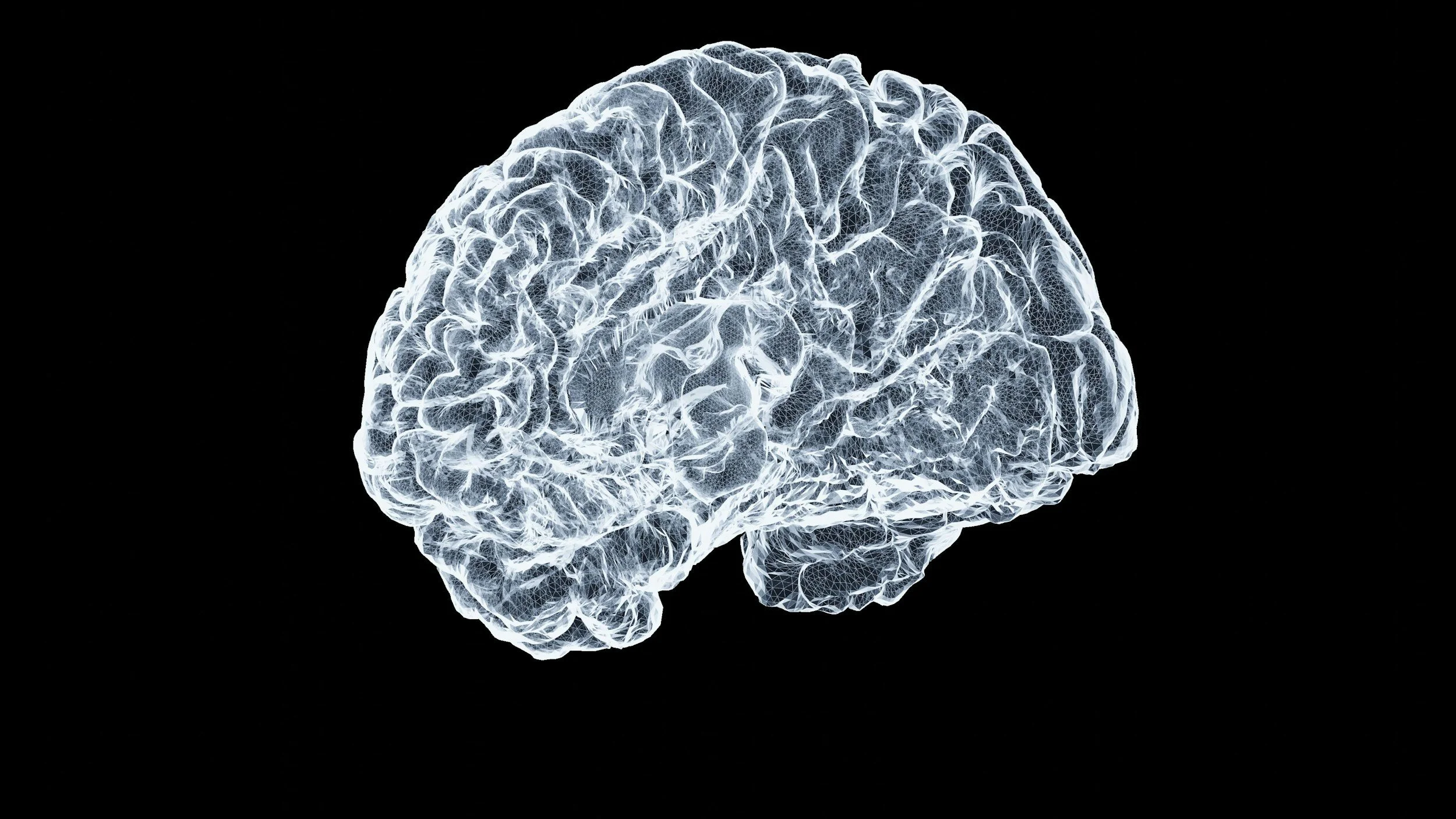
Deep brain stimulation can sound like a huge turning point, and in many ways, it can be. DBS is a surgical treatment in which thin electrodes are placed in specific areas of the brain and connected to a small device implanted under the skin, usually near the collarbone. The device sends controlled electrical signals to help regulate abnormal brain activity and reduce certain neurological symptoms. It is used for conditions such as Parkinson's disease, essential tremor, and dystonia, among others.
For people considering the procedure in Encino, CA, however, the bigger question is often what life will actually look like afterward. Will everyday activities become easier? Will medications change? How much follow-up will be needed?
The surgery itself is only one part of the process. Here's what patients should know about life after DBS.
Recovery Takes Time Before the Benefits Become Clear
It is natural to expect symptoms to improve as soon as the surgery is over. That usually is not how DBS works. The procedure places the electrodes and neurostimulator, but the device generally needs to be activated and programmed after the initial recovery period.
According to the Parkinson's Foundation, many patients spend one to three days in the hospital after the brain leads are implanted. The device may then be activated several weeks later, followed by adjustments to find the settings that provide the most benefit with the fewest side effects.
The first days at home are mainly about healing. Patients may need help with everyday tasks while the incision sites recover and should follow their surgical team's instructions about activity, medication, and wound care. It can take some patience because improvement is usually a process rather than a single moment.
Symptoms May Become Easier to Manage
The main goal of DBS is symptom control. For people with Parkinson's disease, for example, stimulation can reduce movement problems such as tremor, stiffness, slowness, and dyskinesia. It may also allow some patients to reduce their medication dose, which can help with medication-related side effects.
For someone with essential tremor, dystonia, or another condition treated with DBS, the specific benefits can look different. What improves depends on the condition, the symptoms being targeted, and how well those symptoms respond to stimulation.
That can translate into changes that feel very ordinary but are meaningful. Getting dressed, eating, writing, walking, or handling household tasks may become easier. For someone whose symptoms have been limiting independence, those small improvements can have a noticeable effect on everyday life. In practice, these
Deep brain stimulation is not a cure, though, and it does not necessarily improve every symptom. The Parkinson's Foundation notes that some problems, including certain balance, speech, swallowing, mood, or walking difficulties, may not respond and can sometimes be affected by stimulation settings.
Programming Becomes Part of the Routine
One of the biggest differences after DBS is that treatment does not end when the surgery is complete. The device has to be programmed and adjusted to match the person's symptoms.
This can take several visits. During programming appointments for deep brain stimulation in Encino, the care team may change stimulation settings and watch how the patient responds. The goal is to find a therapeutic range that controls symptoms without creating unwanted effects.
Over time, programming may become less frequent. However, follow-up remains important because symptoms can change as the underlying condition progresses. The device's battery also needs to be monitored, and medications may need to be adjusted alongside stimulation.
This is one reason choosing an experienced team matters before surgery. At California Neurosurgical Institute, the DBS evaluation includes reviewing a patient's medical history, current symptoms, previous treatments, and neurological function, with imaging such as MRI or CT used when needed. This kind of assessment helps determine whether DBS is actually appropriate for the patient's condition rather than assuming surgery is the next step.
Daily Life Can Become More Independent
When DBS works well, the biggest changes may show up outside the doctor's office. A person who previously struggled with movement symptoms may find it easier to manage ordinary routines and participate in activities they had started avoiding.
That does not mean life suddenly becomes exactly what it was before the neurological condition developed. DBS works within the limits of the condition and the person's overall health. Some medications may still be necessary, and symptoms can continue to change over time.
Still, improved control can give people more room to focus on work, family, hobbies, exercise, and social activities. A 25-year study finds that DBS can improve quality of life for some people and reduce fluctuations in symptom control between medication doses.
In practice, this is often what patients care about most. They want to know whether treatment can help them do more of the things that make their normal routine feel like their own again.
Long-Term Follow-Up Still Matters
Having deep brain stimulation does not mean forgetting about the condition or the implanted device. Long-term care remains part of the process.
Patients may need periodic programming appointments, medication reviews, and battery checks. Some DBS systems use rechargeable batteries, while others use non-rechargeable batteries that eventually need replacement. The device also means patients should tell healthcare providers about their deep brain stimulation before certain medical procedures or imaging studies.
There are also possible complications to watch for. Infection, problems involving the implanted hardware, seizures, and temporary confusion are among the risks associated with DBS surgery. Stimulation itself can sometimes cause unwanted effects, although adjusting the settings may resolve them.
For that reason, ongoing communication with the DBS team remains important even when symptoms are well controlled.
Wrapping Up
Life after deep brain stimulation is usually a combination of recovery, adjustment, symptom management, and regular follow-up. Some people experience meaningful improvements in movement and daily function, while others may see more modest changes. The outcome depends heavily on the condition being treated, the symptoms targeted, and how the individual responds to stimulation.
The most useful way to think about DBS is as an ongoing treatment process. Surgery places the system, programming helps optimize it, and continued medical care keeps the treatment aligned with the patient's needs.
For someone considering DBS, understanding that journey beforehand can make the decision clearer. The goal is not simply to get through brain surgery. It is to determine whether better symptom control could help make everyday life more manageable afterward.
