
What to Do After Facet Joint Injections Don't Provide Relief
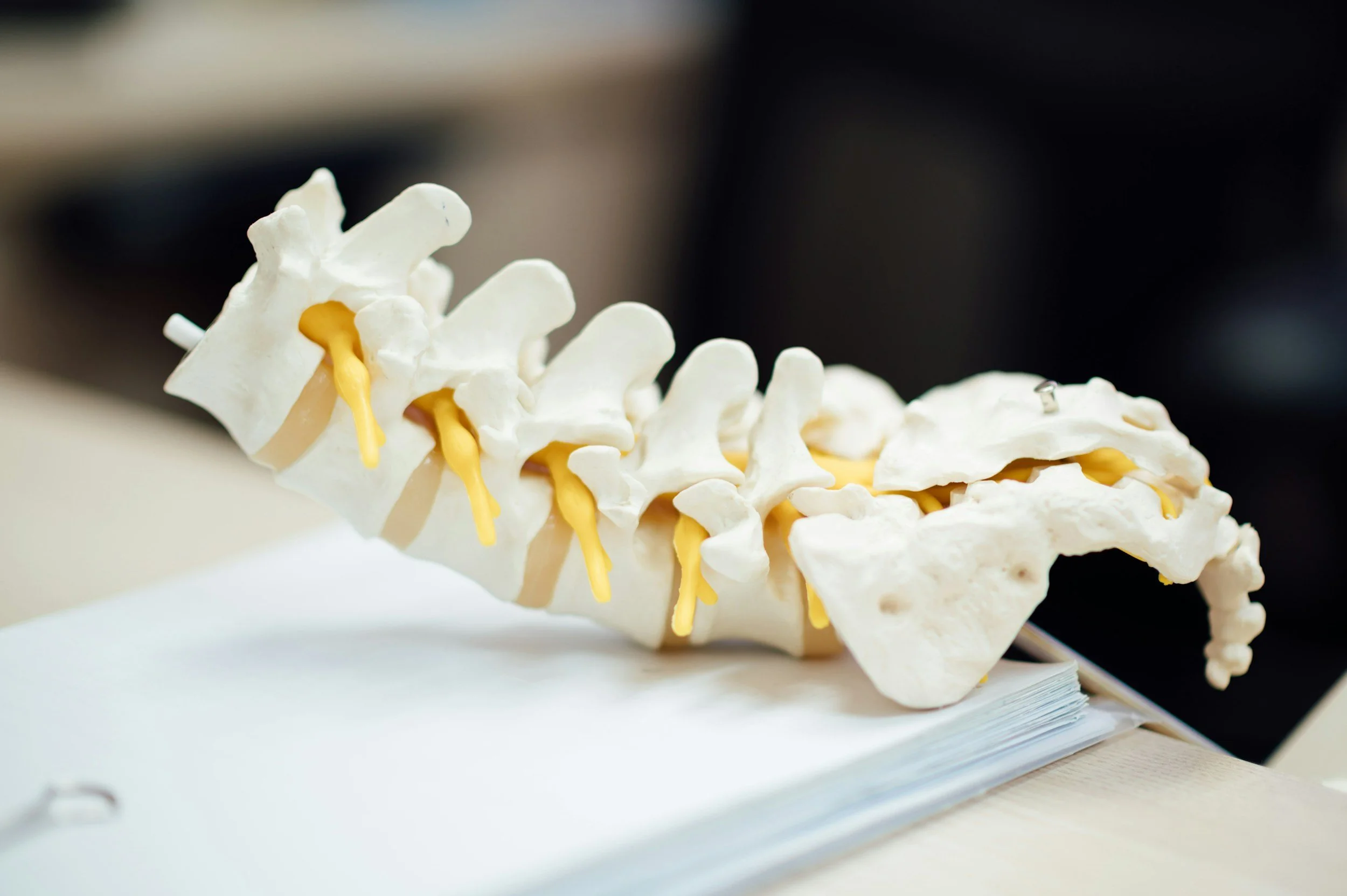
For many living with chronic back pain, facet joint injections can be a source of relief. Still, at times these processes do not give desired outcomes. We hope that understanding the next steps empowers individuals to take charge of their pain-management process. Just finding what works for you, staying up-to-date, and getting help really can go a long way.
Review the Initial Diagnosis
If there is no pain relief after facet joint injections, it indicates that the source of pain is probably not accurate. If your chest is making clicking, popping, or rattling noises, it might be a sign that your health needs to be thoroughly reassessed by a professional. So, go for it beautifully and be awesome. Further imaging or testing may find something else, such as a herniated disc or nerve irritation. Such a reassessment prevents treatment from being directed towards the symptom and instead directs it towards the real issue. By reviewingwhat next if facet joint injections don’t work, individuals discover practical insights into complementary treatments that may improve outcomes.
Consider Alternative Injections
If facet joint injections do not provide relief, then an alternative injection-based treatment may help. For pain from various structures in the spine, you may receive epidural steroid injections or nerve blocks. They might even consider injections that are more specific to the particular pain patterns. With the guidance of a medical provider, careful consideration of the above alternatives may lead to improved outcomes.
Explore Physical Therapy
Supervised physical therapy with active rehabilitation may help strengthen and improve flexibility. We create an individualized program focused on increasing movement and reducing pain, specifically designed by our therapists. Many treatment plans begin with gentle stretches, strengthening routines, and posture education. Regular involvement in sacrificial therapy often leads to more gradual progress and helps individuals get back their belief in paving.
Medication Management
When injections do not have the desired effect, oral medications can also be involved at times. These can consist of nonsteroidal anti-inflammatory drugs, muscle relaxants, or, in uncommon cases, other pain relievers. Before prescribing any drug, the benefits and potential adverse effects are balanced by physicians. With appropriate medical supervision and a closely watched implementation, they can be safe and effective.
Lifestyle Adjustments
Little shifts in day-to-day patterns could greatly affect pain. Healthy body weight, ergonomic furniture, and comfortable seating and sitting posture reduce stress on the spine. Low-impact exercise, such as swimming or walking, often helps and may increase range of motion and decrease stiffness. Rounding out recovery by prioritizing rest and stress management techniques also helps.
Mind-Body Therapies
Dealing with pain requires an approach that looks beyond physical symptoms. For managing discomfort, mind-body techniques such as mindfulness, meditation, and relaxation exercises, along with other coping strategies, help minimize the emotional burden associated with chronic pain. Support groups and counseling provide additional, much-needed emotional support to help you be strong in facing the challenges.
Advanced Interventional Procedures
For persistent, intractable pain and severe cases, advanced procedures could be involved. Radiofrequency ablation applies targeted heat to nerves to disrupt pain messages from the area in the same way. Spinal cord stimulation sends gentle electrical signals that change the way the body feels pain. Such interventions should be carefully assessed and are usually used when earlier treatments have not worked.
Surgical Consultation
For patients with persistent pain despite non-surgical treatment, surgery is still a last option. A spine surgeon will do a thorough assessment with the options of surgery laid out. Surgery may involve excising lost tissue or spinal stabilization. The outcome requires careful assessments of its risks and advantages.
Second Opinions and Multidisciplinary Care
Second opinions are important because they help us better understand the situation and identify new opportunities. Due to the complex nature of chronic pain, multidisciplinary pain clinics combine expertise from different areas of practice to develop an all-inclusive treatment regimen. By taking a team approach, this method ensures that all aspects of pain receive treatment, thus maximizing the potential for significant improvement. Communicating with your health care providers is a must the whole way through.
Keep Yourself Updated and Stand Up For Yourself
Knowledge is power, empowering them to become active participants in their care. Knowing what options are out there and asking questions during an appointment can make us feel more in control. Monitoring symptoms, triggers, and reactions to treatments aids decision-making. When you advocate, it usually ends with better results and more satisfying healthcare.
Conclusion
Not every fix provides immediate relief, and regressions can easily be overwhelming. Continued pain after facet joint injections does not mean the story is over, however. There are still many avenues, be they medical, lifestyle, or community interventions, out there for you. However, with the right support, people can continue to reach for comfort and a better quality of life.
Related:
