
What to Know About Triathlon Pacing and Performance
The morning sun hits the water as hundreds of athletes wait for the start. Most people train hard for months to build their strength for this day. Yet many runners and riders struggle because they lack a clear plan for their energy. Pacing keeps the three parts of the event connected and steady. It stops you from running out of fuel before the finish line comes.
Good performance depends on how well you read your physique and your data. You move better when you know how to balance your total effort. This shift needs a steady approach to every single mile you cover. You must follow your plan even when your nerves want you to go faster. Focus on a steady output to show what your muscles can really do.
Establishing a Data Driven Foundation
You need a clear starting point before you can manage your energy well. This step means more than just looking at your watch or your time. You must look at your power levels and your heart rate zones too. Using a tool like SwimBikeRun.rocks helps you turn training numbers into a real plan. It accounts for the unique needs of the swim and the bike.
Benchmarks for Your Performance
Knowing your power limits provides the boundaries for your best race day. These numbers show the highest effort you can hold for a long time. Regular tests keep your training zones correct as you get much stronger. Without these marks, you might train at levels that do not help you. You risk working too hard or not hard enough to see a change.
Balancing Intensity and Volume
Many athletes work too hard on days meant for easy recovery runs. Good programs use a mix where most miles stay at a low effort. This way of training builds your aerobic capacity and metabolic health quite well. It keeps your system from getting too tired to perform. You arrive at the start feeling fresh and ready to move fast.
Physiological Efficiency Across Three Disciplines
Every move in a competition costs energy that you must save for later. Your system has a small amount of fuel ready to use. Once that fuel is gone, your pace will slow down very quickly. Learning how fuel and effort work together is a big secret for athletes. According to the American College of Sports Medicine, good pacing helps you stay safe and cool.
Swimming for Sustainability
The swim should feel like a light warmup for your tired legs. The water is heavy, so pushing too hard early will raise your heart rate. You will find it hard to lower your heart rate once you start cycling. You should focus on a smooth pull and straight lines in the water. These strategies help you save energy while you swim:
A steady arm rhythm helps you avoid fighting against the lake water.
Draft behind other swimmers to save a lot of energy during this leg.
Light kicking helps you save your legs for the bike ride.
Practice breathing on both sides to stay straight in the waves.
Maximizing the Cycling Leg
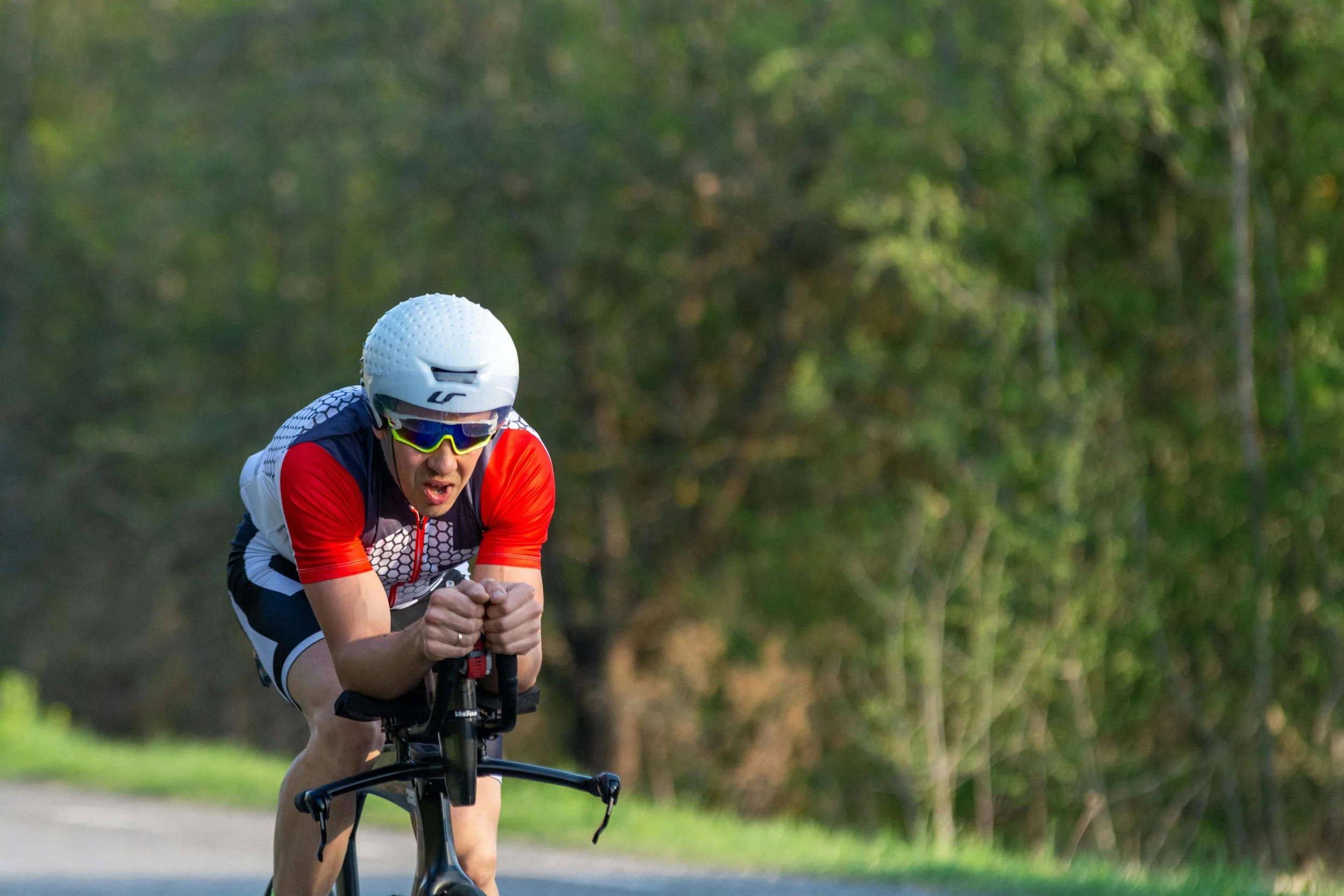
The bike ride is where you spend most of your event time. This is the best time to focus on your speed and gear. Keep your pedals turning fast to help your muscles stay fresh for later. This method helps your heart do the work instead of your legs. It makes sure you can still run after you hop off the bike.
Strategic Transitions and Running Mechanics
The run is a test of who saved the most energy earlier. Running after a long ride feels very strange for your leg muscles. You need special workouts to help your physique learn this new feeling. These sessions teach your brain to handle the heavy legs you feel first. A consistent routine for better health prepares your system for this big stress.
How to Handle the First Few Miles
Adrenaline makes many people run too hard during the first ten minutes. You must watch your pace to stay in your safe zones. Research from the National Institutes of Health shows that a slow start helps you. It stops muscle cramps and helps you finish the event with a smile.
Try these tips to help your system move from the bike to the run:
Shorter steps keep the stress off your sore knees during the start.
A loose upper body allows you to take deep breaths easily.
Cold water at the first stop helps cool your skin and heart.
A slight forward lean lets gravity help you move along the road.
Mental Fortitude and Finish Line Focus
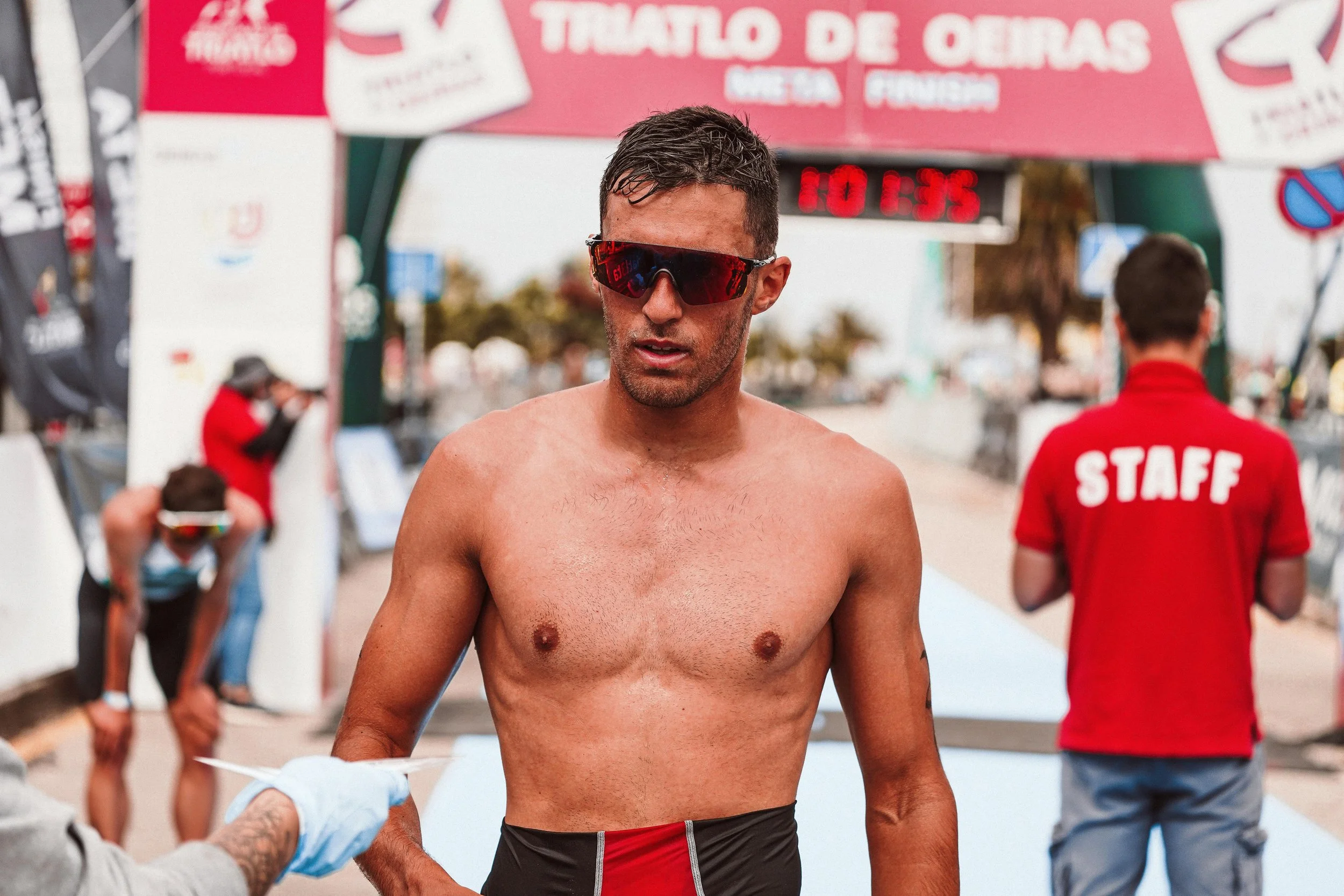
Your system will feel tired as you get close to the end. Your mind becomes your most useful tool when your legs feel like lead. Being able to handle the burn helps you finish with a strong kick. Have a plan for the last few miles to speed up slowly. This is only possible if you ate well and paced well earlier.
Environmental Awareness and Final Adjustments
The weather will always change your plans on the day of the competition. Wind can slow you down even if you work very hard. Heat can make your heart beat faster than it did in practice. A stiff plan for speed can hurt you if the wind is strong. Learn to change your goals based on how you feel right now.
Changing your goals helps you stay happy when things get very tough. If a headwind slows your bike, watch your effort, not your speed. This way of thinking keeps you working at your best level always. Technical skill and awareness make for a great day of sport and fun. You will find that your hard work pays off in the end.
Nutrition and Hydration Timing
You must eat and drink on a set schedule to keep your energy high. Most athletes wait until they feel thirsty or hungry to take fuel. This is a mistake because your body needs time to process these calories. You should practice your eating plan during your long training rides and runs. This ensures your stomach can handle the food while you move fast.
Consider these habits for a better fueling plan during your next event:
Sip fluids every fifteen minutes rather than drinking a lot at once.
Use easy sugars on the bike where your heart rate is lower.
Take salt tabs if you sweat a lot to keep your muscles working.
Keep your gel packs in a place where you can reach them easily.
Analyzing Your Post Race Data
Your work does not end when you cross the finish line. You should look at your heart rate and power files after the event. This data shows exactly where you pushed too hard or where you slowed down. You can use these facts to make a better plan for your next season. It helps you see if your training helped you reach your goals.
The secret to a great event is staying strong until you cross the line. Respect your limits and use data to help you make good choices. This makes sure all your hours of training lead to a great result. Look at your data after the finish to get ready for next time. You will continue to grow and get faster with every single sport.
Related:
