
Benzodiazepines, often called benzos, are prescribed for anxiety, panic attacks, insomnia, and seizures. Common examples include alprazolam (Xanax), clonazepam (Klonopin), lorazepam (Ativan), and diazepam (Valium). Used short term and as directed, they can be helpful. But many people find that over time, they need more to get the same effect, or they cannot stop without feeling very unwell.
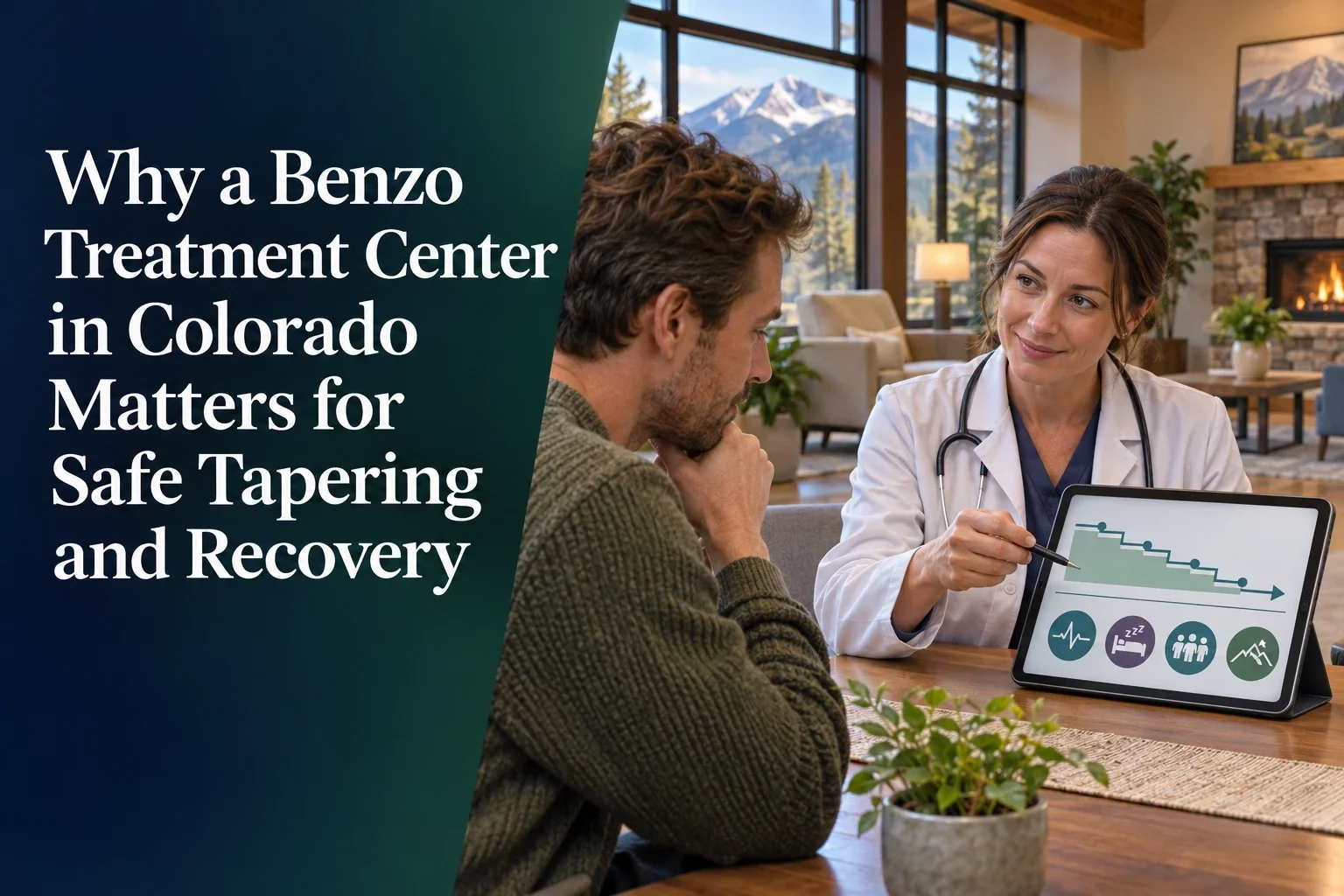
If you or someone you love is dependent on these medications, a benzo treatment center Colorado residents can trust can make the difference between a dangerous withdrawal and a safe, steady recovery.
How benzo dependence develops
Benzos calm the nervous system by enhancing the effect of a brain chemical called GABA. With regular use, the brain adapts and begins to rely on the medication to feel calm. This can lead to physical dependence even when someone takes the medication exactly as prescribed. Some people also misuse benzos, taking higher doses, combining them with alcohol or opioids, or using pills not prescribed to them.
Signs of benzo dependence or misuse
Needing higher doses to get the same effect
Feeling anxious, shaky, or unable to sleep between doses
Running out of a prescription early
Getting benzos from more than one doctor or from other sources
Combining benzos with alcohol, opioids, or other substances
Feeling unable to cope without the medication
Memory problems or drowsiness that affect daily life
Why stopping suddenly is dangerous
Benzo withdrawal can be one of the most serious types of withdrawal. Stopping suddenly after regular use can cause rebound anxiety, insomnia, tremors, and confusion. In some cases, it can lead to seizures, which can be life-threatening. That is why no one should stop taking benzos abruptly without medical guidance.
What safe tapering looks like
The safest way to stop benzos is usually a gradual, medically supervised taper. A taper slowly reduces the dose over weeks or months, giving the brain time to adjust. In 2020, the FDA required updated warnings on benzodiazepine labels about the risks of dependence and withdrawal, highlighting the importance of careful, gradual tapering.
A medical provider designs a plan based on the medication, dose, and length of use
The dose is reduced in small steps, at a pace the person can tolerate
Symptoms are monitored closely, and the plan is adjusted as needed
Some providers switch to a longer-acting benzo to smooth the taper
Support for anxiety and sleep continues throughout
There is no one-size-fits-all schedule. A taper that is too fast can trigger severe symptoms, while a careful plan improves comfort and success.
When a higher level of care is needed
Some people can taper safely in an outpatient setting with close medical follow-up. Others need medically supervised detox, especially if they take high doses, have a history of seizures, use other substances such as alcohol or opioids, or have serious medical or mental health conditions. An assessment helps determine the safest setting.
Treating the anxiety underneath
Many people started benzos to manage anxiety, panic, or insomnia. Once they taper off, those original symptoms still need care. Effective benzo treatment includes:
Cognitive behavioral therapy (CBT) for anxiety and panic
CBT for insomnia to improve sleep without medication
Other non-addictive medication options when appropriate
Mindfulness, breathing, and stress management skills
Treatment for co-occurring depression, trauma, or substance use
Benzos and older adults
Older adults are especially sensitive to benzodiazepines. Long-term use can increase the risk of falls, confusion, and memory problems. Medical guidelines generally recommend caution with benzos in people over 65. Tapering still needs to be gradual and supervised, but many older adults feel clearer and steadier once they are off the medication.
Why specialized care matters
Benzo dependence sits at the intersection of addiction medicine and psychiatry. Providers need to understand both the physical risks of withdrawal and the mental health conditions that often led to benzo use in the first place.
In the Denver area, Thrivur Health is an outpatient addiction and mental health treatment clinic in Englewood, just south of Denver, offering addiction psychiatry, general psychiatry, and medication-assisted treatment for substance use, mental health conditions, and dual diagnosis.
The danger of mixing benzos with other substances
Combining benzos with opioids or alcohol greatly increases the risk of slowed breathing and overdose. The FDA has issued boxed warnings about combining benzos and opioids. Anyone using these substances together should talk to a provider right away and keep naloxone on hand in case of opioid overdose.
What recovery looks like after tapering
Finishing a taper is a major milestone, but many people experience lingering symptoms such as anxiety, sleep problems, or low mood for a period afterward. These usually improve with time and support. Continuing therapy, building healthy sleep habits, and staying in touch with your care team help make the progress last. Some people also benefit from ongoing support groups.
Questions to ask a benzo treatment provider
How do you design a taper plan?
Can I taper safely as an outpatient, or do I need detox?
How will you monitor withdrawal symptoms?
How will you treat my anxiety or sleep problems?
Do you treat co-occurring substance use?
Which insurance plans do you accept?
A safer path forward
Coming off benzos can feel intimidating, but with the right medical support it can be done safely. A specialized treatment team can guide the taper, ease withdrawal, and help you build new ways to manage anxiety and sleep. Never stop a benzodiazepine suddenly without talking to a provider. If someone may be overdosing, call 911. If you or someone you love is in crisis, call or text 988, or call 911.
