
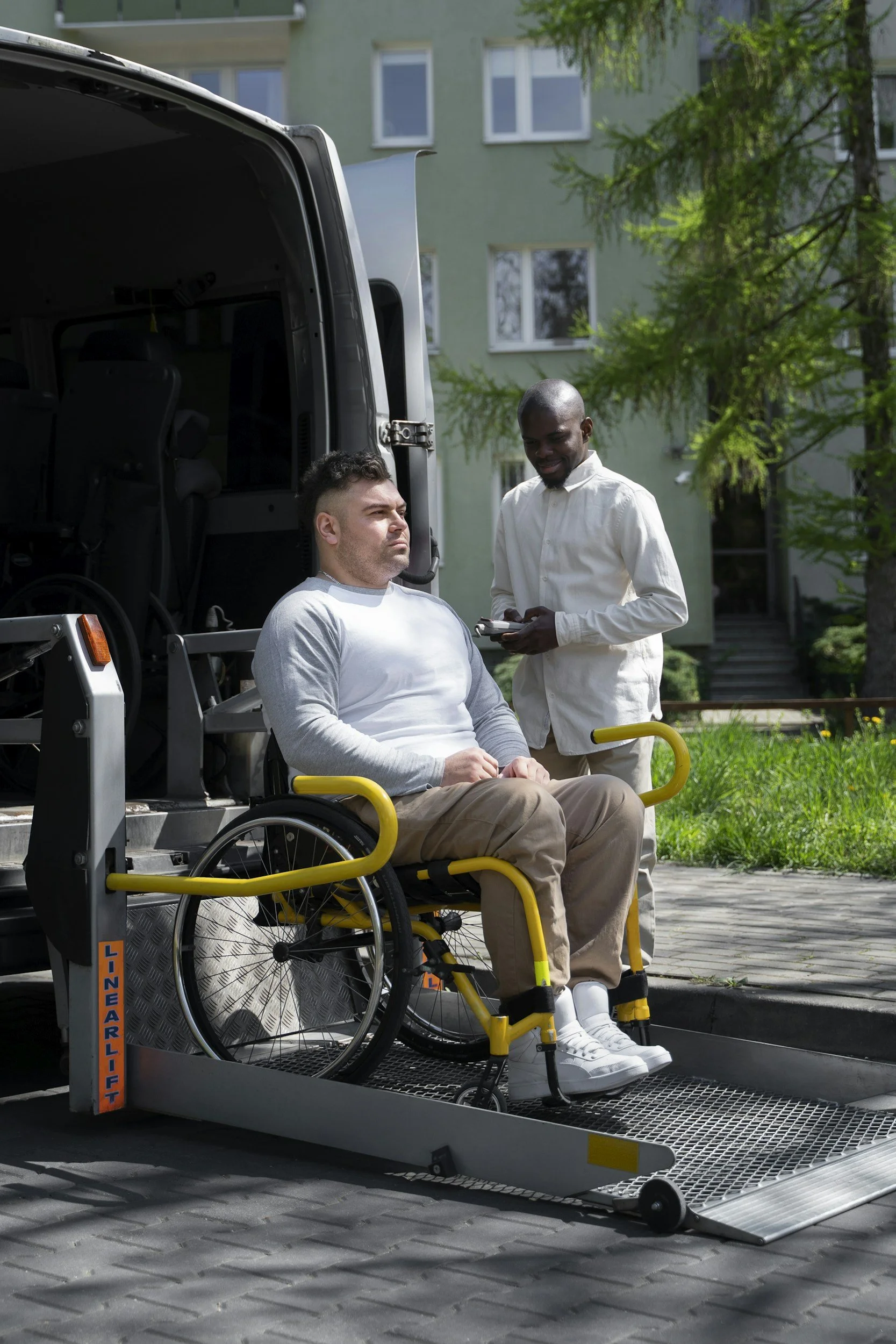
For people receiving ongoing dialysis treatment, transportation is not an occasional concern. It can become a recurring part of their weekly routine.
Many patients with kidney failure attend dialysis centers several times per week. Each visit requires careful coordination between the patient's treatment schedule, transportation availability, and personal circumstances.
While healthcare providers focus on delivering treatment, patients must also determine how to reach the facility and return home afterward.
Non-emergency medical transportation (NEMT) can help eligible individuals overcome these logistical challenges and maintain access to scheduled kidney care.
Dialysis Requires Consistent Scheduling
According to the National Institute of Diabetes and Digestive and Kidney Diseases (NIDDK), in-center hemodialysis commonly takes place three times per week, with individual treatment sessions lasting approximately four hours.
Actual treatment schedules vary depending on the patient's medical needs and prescribed dialysis regimen.
Unlike an annual medical examination, dialysis often involves repeated visits to the same healthcare facility.
A patient attending treatment three times per week may require six separate transportation journeys, including return trips.
Over several months, these arrangements become a substantial logistical responsibility.
Reliable transportation helps patients follow their prescribed schedules without having to organize each journey independently.
Transportation Challenges for Kidney Patients
People receiving dialysis may face several barriers to conventional transportation.
Some individuals experience mobility limitations, while others cannot drive because of medical conditions or temporary restrictions.
Patients may also live far from dialysis facilities, particularly in communities with limited public transportation.
Even where buses or trains are available, the physical demands of traveling to and from treatment can create difficulties.
Transportation needs can change over time, making flexibility an important consideration.
For example, a patient who previously traveled independently may later require a wheelchair-accessible vehicle or assistance during boarding.
Transportation arrangements should reflect these individual requirements rather than rely on a single standard approach.
The Importance of the Return Journey
Traveling to dialysis is only one part of the transportation process.
After treatment, some patients experience fatigue, weakness, dizziness, or changes in blood pressure. The NIDDK identifies low blood pressure and muscle cramps among possible complications of hemodialysis.
These symptoms do not affect every patient, but they help explain why return transportation deserves careful planning.
A patient who feels comfortable before treatment may have different transportation needs afterward.
Appropriate pickup coordination, accessible vehicles, and realistic scheduling can make the return journey more manageable.
However, NEMT is not a substitute for emergency medical care. Patients experiencing serious symptoms may require immediate medical evaluation rather than a routine transportation service.
How NEMT Supports Recurring Dialysis Appointments
Non-emergency medical transportation is intended to help eligible patients reach healthcare services when ordinary transportation is unavailable or unsuitable.
Depending on program rules and passenger needs, NEMT arrangements may include standard vehicles, wheelchair-accessible vans, or other appropriate transportation options.
For recurring treatments, transportation coordination can involve organizing repeated reservations, confirming pickup locations, and matching vehicle assignments to passenger requirements.
Healthcare organizations and transportation coordinators can explore additional information about non-emergency medical transportation services and their role in supporting scheduled medical journeys.
When transportation is arranged consistently, patients and healthcare facilities may find it easier to coordinate repeated visits.
This is particularly relevant for dialysis centers that serve patients with different mobility requirements and treatment schedules.
Medicaid Coverage and Dialysis Transportation
Medicaid is an important source of transportation assistance for eligible individuals in the United States.
Federal Medicaid requirements generally obligate state programs to assure necessary transportation for beneficiaries to and from covered healthcare providers.
States have flexibility in administering transportation benefits, and specific eligibility and authorization procedures may differ.
Some programs use transportation brokers to arrange journeys through networks of approved providers. Others coordinate services through managed care organizations or alternative administrative arrangements.
Patients should verify transportation eligibility and coverage with their state Medicaid program or health plan.
Medicare coverage should not be assumed to provide the same routine NEMT benefit as Medicaid. Original Medicare generally does not cover ordinary non-emergency transportation to dialysis appointments, although certain medically necessary ambulance transportation may qualify under specific conditions.
Coverage rules and individual circumstances should always be reviewed before transportation is scheduled.
Scheduling Around Treatment Times
Dialysis transportation requires attention to more than distance.
Patients may need to arrive before treatment begins to complete preparation and check-in procedures.
The actual departure time may depend on how long treatment takes and whether additional observation is required.
Transportation providers therefore need clear information about facility procedures, appointment schedules, and pickup instructions.
Recurring reservations can reduce repeated administrative work when offered by the applicable transportation program.
Nevertheless, schedules may need adjustment when appointments change or a patient's condition affects travel requirements.
Communication between passengers, dialysis centers, and transportation coordinators helps address these situations.
Accessible Vehicles and Individual Needs
Not every dialysis patient requires specialized transportation equipment.
Some can travel independently in standard passenger vehicles, while others use wheelchairs, walkers, or other mobility aids.
The appropriate transportation arrangement depends on the passenger's functional needs and the services available under the relevant program.
Wheelchair-accessible vehicles may require ramps, lifts, securement equipment, and additional boarding time.
Drivers and transportation personnel must also understand the assistance they are authorized and trained to provide.
Selecting a suitable vehicle is essential because an otherwise timely reservation may still fail to meet a passenger's needs if the vehicle is inaccessible.
Technology in Dialysis Transportation Coordination
Modern transportation systems can help manage recurring medical journeys.
Scheduling platforms may organize repeated reservations, assign appropriate vehicles, monitor trip status, and communicate changes to dispatchers.
These capabilities can be useful when transportation organizations coordinate multiple passengers traveling to healthcare facilities throughout the day.
Digital systems can also support recordkeeping and communication between transportation participants.
However, technology does not eliminate the importance of trained personnel, vehicle availability, and clear operational procedures.
Effective transportation depends on combining suitable resources with accurate information about passenger needs.
Supporting Access to Essential Kidney Care
Dialysis is a critical treatment for many people with kidney failure.
Although transportation does not provide medical treatment itself, it can influence whether patients can reliably reach the facilities where treatment is delivered.
For individuals who cannot drive or use conventional transit, dependable transportation arrangements may reduce an important obstacle to attending scheduled appointments.
NEMT programs can contribute by coordinating appropriate vehicles, recurring journeys, and communication between transportation providers and passengers.
The broader goal is straightforward: patients who need ongoing kidney care should have practical transportation options that support access to their prescribed treatment.
In a healthcare system where some treatments require repeated visits throughout the year, reliable transportation is an important part of making medical services accessible.
