
Why Routine Dental Check-Ups Matter for Your Whole-Body Health
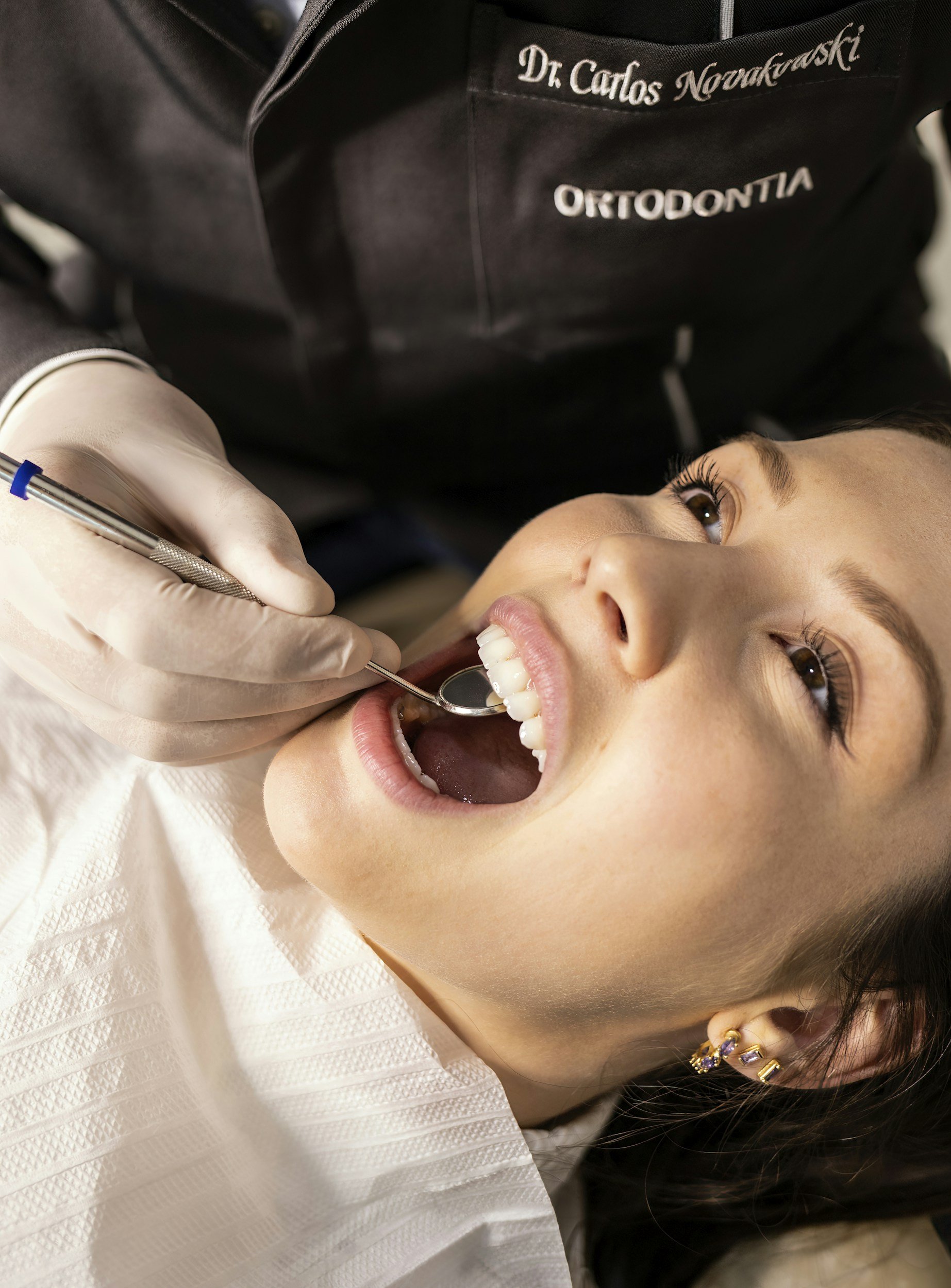
Most people think of dental visits as a way to keep their teeth clean and cavity-free. That is true, but the mouth is also a window into general health, and a growing body of research links oral health with wider wellbeing. Looking after your teeth and gums is one of the simpler, more affordable ways to support your overall health over a lifetime.
The mouth and the body are connected
Gum disease is one of the clearest examples of this connection. When gums become inflamed and infected, the effects are not always limited to the mouth. Research has associated advanced gum disease with several general health conditions, and people managing conditions such as diabetes often find that gum health and blood sugar control influence one another. While a dental check-up is not a substitute for medical care, it can sometimes surface early signs worth discussing with a doctor.
Routine examinations also allow a dentist to check the soft tissues of the mouth, not just the teeth. This kind of regular, thorough look is difficult to replicate at home, which is why consistent professional visits remain valuable even for people who brush and floss diligently.
Small problems stay small
The practical benefit of regular check-ups is timing. A cavity found early may need only a modest filling; the same cavity left for a year or two can progress to the point where more involved treatment is required. Catching issues while they are small is easier on both comfort and cost, and it reduces the chance of an unexpected emergency.
For most adults and children, a visit every six months is a sensible default, although your dentist may recommend a different schedule depending on your individual risk. People prone to decay, gum problems or certain medical conditions may benefit from more frequent visits, while others with consistently healthy mouths may be advised differently.
Prevention at home and in the chair
Good daily habits do most of the heavy lifting: brushing twice a day with a fluoride toothpaste, cleaning between the teeth with floss or interdental brushes, and being mindful of how often sugary food and drink are consumed. Professional cleans then remove the hardened plaque, known as tartar, that cannot be shifted by brushing alone. Together, home care and regular professional care are far more effective than either on its own.
Diet plays a quiet but important role too. Frequent snacking on sugary or acidic foods gives the mouth little time to recover between exposures, which raises the risk of decay and enamel erosion. Simple changes, such as keeping sweet treats to mealtimes and drinking water through the day, make a measurable difference.
Building a habit that lasts
The hardest part of dental care is consistency. Life gets busy, appointments slip, and it is easy to only think about the dentist when something hurts. Choosing a practice you trust and are comfortable with makes it far more likely that check-ups actually happen. A reliable family dentist in Sandgate or your own local area can help you set a recall schedule that suits your household, so visits become a routine rather than a reaction to pain.
This is especially valuable for children. Positive early experiences at the dentist help build lifelong habits and reduce anxiety, so establishing a regular pattern of visits from a young age pays off well into adulthood.
The bottom line
Regular dental check-ups are a modest investment that protects far more than your smile. They help keep small problems small, support the connection between oral and general health, and give you and your family a trusted point of contact when something does go wrong. If it has been more than six months since your last visit, it is a good time to book one and get back into a healthy routine.
